Toronto
Ontario is taking steps to reshape how Billy Bishop Airport is run, with plans to expand the downtown Toronto hub and increase its capacity.
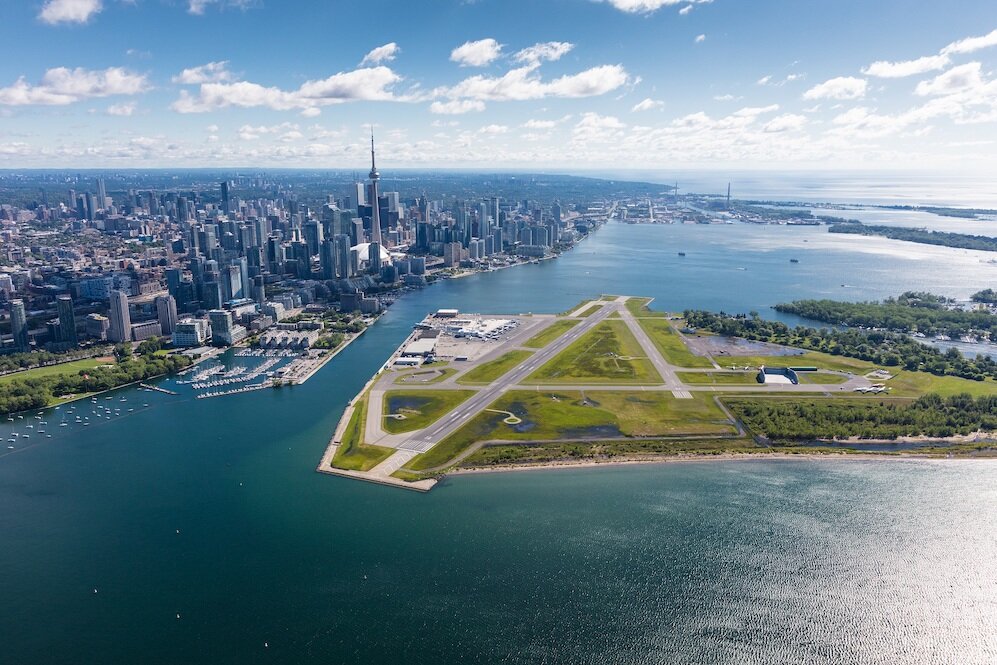
Billy Bishop Toronto City Airport
The province announced it will introduce legislation this spring to replace the City of Toronto in the airport’s governing tripartite agreement. It also intends to take ownership of city-held land at the site, offering compensation.
Premier Doug Ford said the goal is to open up more routes and lower costs for travellers, while easing pressure on Toronto Pearson. The airport currently serves about two million passengers a year and connects to more than 20 cities across Canada and the United States.
Transportation Minister Prabmeet Sarkaria pointed to long-term growth, noting Ontario’s population could exceed 20.5 million by 2051. He described Billy Bishop as an underused part of the transportation network that could help meet future demand.
The expansion builds on a plan from the Toronto Port Authority. Proposed changes include allowing modern jet aircraft, modifying the runway, upgrading the terminal, and improving access to the waterfront.
Before construction begins, the province plans to designate the airport as a Special Economic Zone to streamline approvals while maintaining safety and environmental standards. Officials say they have already engaged more than 130 First Nations on the framework.
Per the news release, Billy Bishop remains a key economic driver, contributing $900 million in GDP and $1.8 billion in output each year, and supporting 9,000 jobs in 2024. If expanded, passenger numbers could reach 10 million annually. The project could also support up to 23,000 construction jobs and contribute up to $8.5 billion annually to Canada’s economy by 2050.