Toronto
The Canadian Revenue Agency has published a list of changes to benefits and new credits eligible Canadians can expect to receive when they file their taxes for the year 2022.
The deadline for filing income tax and benefit returns for 2022 for most Canadians is April 30, 2023.
Since the deadline falls on a Sunday, returns will be considered filed on time if the CRA receives them or if they are postmarked on or before May 1, 2023.
Similarly, payments will be considered made on time if the CRA receives them or if a Canadian financial institution processes them on or before May 1, 2023.
Updates to benefits, credits, and services – Tax Year 2022
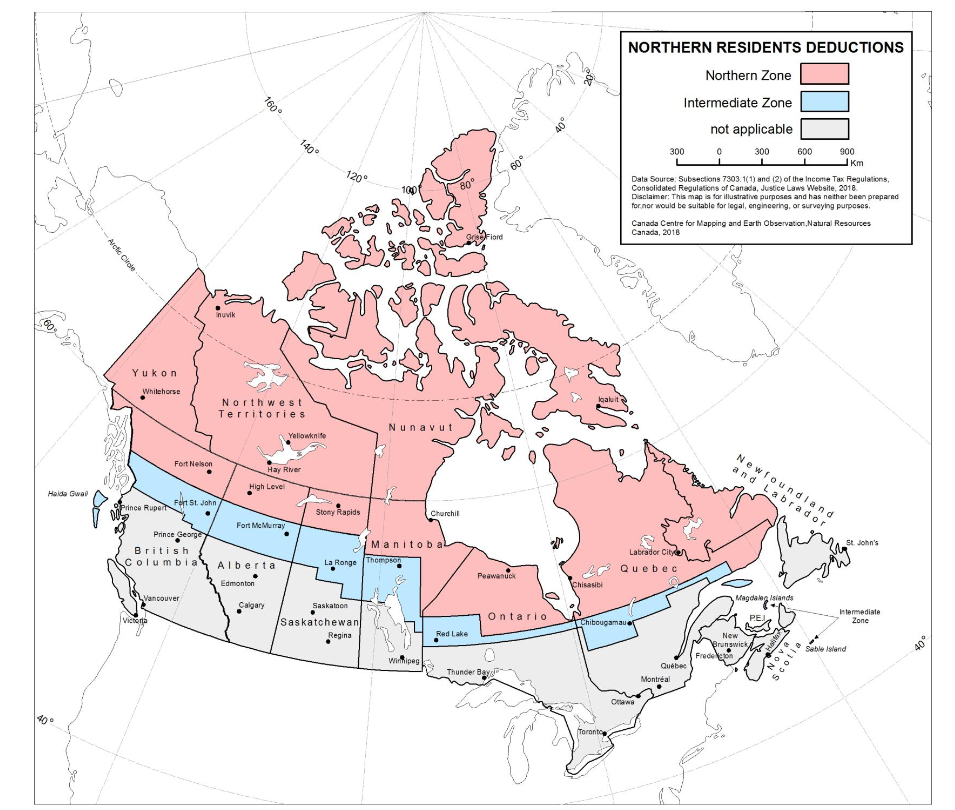
1. Simplified Northern Residents’ Travel Deduction:
To assist northern residents in calculating the lowest return airfare, one of the three necessary amounts for claiming the travel deduction on their tax returns, the CRA is introducing the Simplified Northern Residents Travel Deduction. This pilot project is designed to simplify the process for northern residents and make it more convenient for them to determine their travel deductions.
Per the news release, the simplified version will be available starting the week of February 20, 2023, on canada.ca/lowest-return-airfare, including tables that show the minimum return airfare value available from airports with frequently scheduled commercial flights to a specific city. The airfare tables consist of over 135 airports, most of which are in the prescribed zones.
2. Canada Dental Benefit:
Families with an income below $90,000 are eligible for the interim Canada Dental Benefit, which offers financial assistance to parents or guardians for their children’s dental care if they do not have private dental insurance.
3. One-time top-up to the Canada Housing Benefit:
A temporary aid of $500 has been launched by the government to assist low-income renters. The deadline for submitting applications is March 31, 2023.
4. First-time home buyers’ tax credit:
The amount used to calculate the first-time home buyers’ tax credit has increased to $10,000 for a qualifying home purchased after December 31, 2021.
5. Home accessibility tax credit:
The non-refundable Home Accessibility Tax Credit (HATC) is a tax credit that can be claimed by eligible individuals for expenses related to home renovation or alteration. The expenses should aim to improve accessibility, mobility or functionality within a qualifying dwelling, or to reduce the risk of harm to the individual within the dwelling or in accessing the dwelling.
For 2022 and later tax years, the annual expense limit of the home accessibility tax credit has increased to $20,000.
6. Disability tax credit:
The disability tax credit (DTC) is a non-refundable tax credit that helps people with impairments, or their supporting family members, and reduces the income tax they may have to pay.
An individual who has been diagnosed with type 1 diabetes will be considered to have fulfilled the requirements of having undergone life-sustaining therapy two times and 14 hours per week for the tax years 2021 and onwards.
7. Climate action incentive payment (CAIP):
For Ontario, Manitoba, Saskatchewan and Alberta residents:
If you are eligible, you will automatically get the CAIP four times a year.
To ensure timely receipt of the April 14, 2023 issuance, CRA is suggesting that you and your spouse or common-law partner (if applicable) file your 2022 tax returns electronically by March 10, 2023, as electronic returns generally take two weeks to process. If you do not receive the April issuance, the payment will be included in a subsequent payment after your returns have been assessed.
Nova Scotia, Newfoundland and Labrador and PEI Residents:
You could be eligible for the CAIP this year, but the federal fuel charge will only apply to your province starting July 1, 2023. As a result, you will not qualify for the April 2023 payment, and eligible residents will receive their first payment automatically in July 2023.
According to the news release, all individuals in Prince Edward Island will receive the rural supplement amount and are not required to indicate this on their tax return.
8. Organ and tissue donation initiative (for Nunavut residents):
Starting in the 2022 tax year, if you are a resident of Nunavut, you have the option to express your interest in receiving information about becoming an organ and tissue donor. To do so, simply tick the “yes” box in the consent section of your tax return. By selecting this option, you authorize the CRA to share your name, mailing address, and email address with the Government of Nunavut, who may then contact you or provide you with materials on organ and tissue donation.
You will be able to file your 2022 income tax and benefit return electronically starting on February 20, 2023. If you have shared your banking details online with CRA, the agency says you can receive your tax refund in as little as eight business days if you file your return online.
For those who need help filing tax returns, you can get help from Community Volunteer Income Tax Program (CVITP) for free (free tax clinics).