Central Alberta
It only takes three hours to get from Edmonton to Jasper via the Yellowhead Highway (Trans-Canada Highway/Highway 16). In that short time, you travel from flat grass and prairie land which rolls into foothills, until you reach the border of the Rocky Mountains on the east side of Jasper National Park. Along the way, you’ll pass through Stony Plain, Edson, and Hinton. You might know this, though, as this is probably your regular route to the mountains.
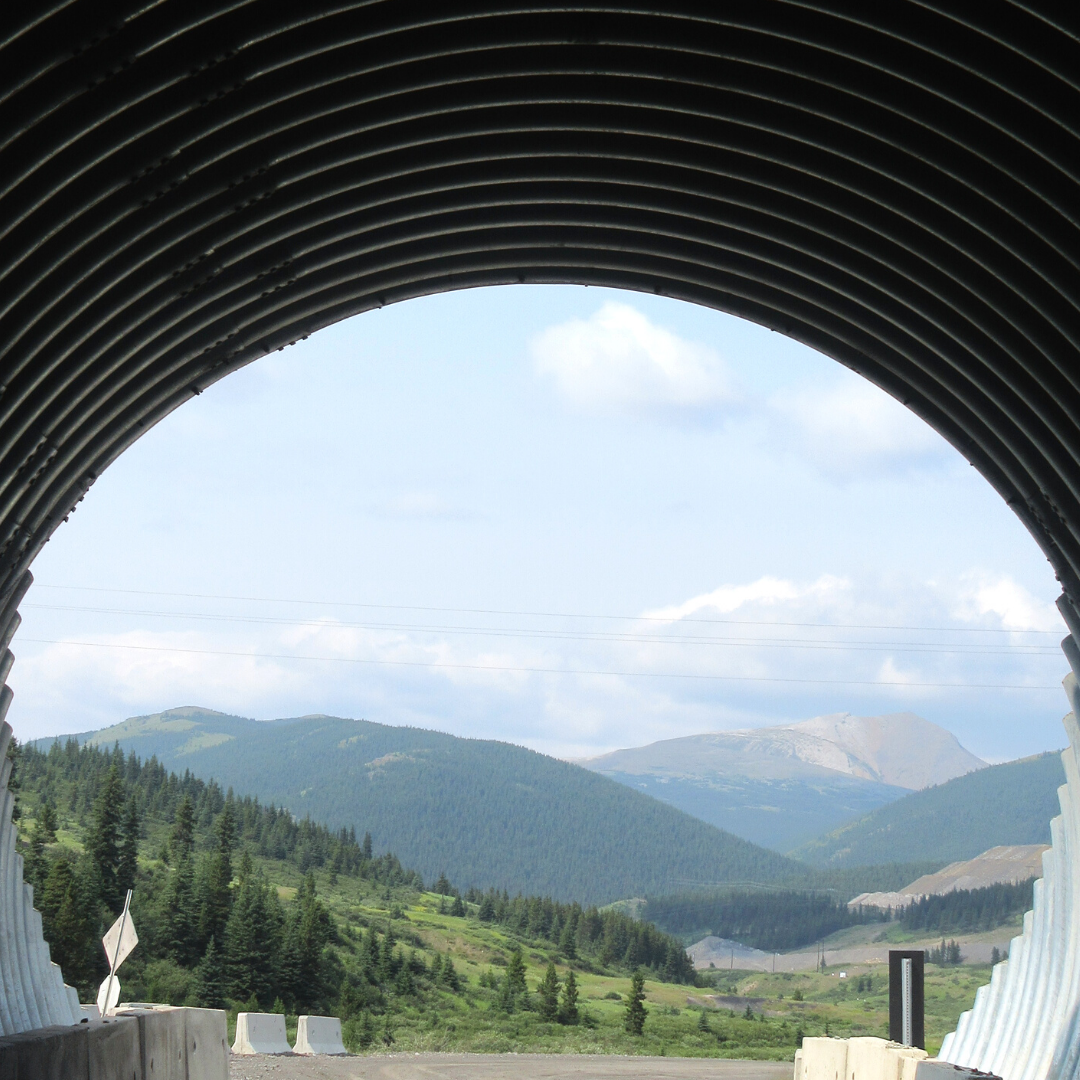
If you’re heading west on a road trip to Jasper, or live in central Alberta, and would love a unique day trip, all you need to do is head south of Highway 16. When heading west from Edmonton, you can hook a left/south turn on Highway 47, a short way after Edson. The road, which eventually turns into Highway 40, and which meets with the Trans-Canada (Highway 16) again at Hinton, is a detour through Alberta’s Historic Coal Branch.
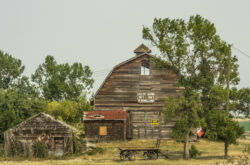
In the early 1900s, this corridor was a busy thoroughfare as mines began to open around Coalspur. As the coal companies expanded, so did their workforces. This led to work camps popping up all around the coal district. Although large enough to appear as towns, these camps were owned by the coal companies and therefore not considered towns. Besides the ghost coal ‘towns’ along this highway, there are several stops to make for outdoor fun, picnics, wildlife viewing, and enjoying some breathtaking views.
You may like: Edmonton to Jasper Road Trip
Here are 5 places to stop and explore on a detour through Alberta’s Coal towns:
1. Fickle Lake Provincial Recreation Area
The interpretive hiking trail around the Fickle Lake Provincial Recreation Area is a perfect chance for photo opportunities or wildlife viewing all year round, with an abandoned trapper’s cabin at the end of the trail and animals like moose, deer, or bears.
If you’re out here in the fall, spring, or summer, you may want to consider this a fishing stop, as the lake is stocked with northern pike, lake whitefish, walleye, and perch.
The road into the park is maintained throughout winter if you wish to visit later in the year as well.
2. Mercoal
Although there are no buildings to mark where Mercoal, one of the mining work camps of the Coal Branch, once stood, there is a sign (and luckily a marker on Google maps!). Look for the Mercoal sign made of rocks and explore this ghost town on foot. You might be able to follow some of the rail lines left behind, too.
https://www.instagram.com/p/CNX-iI4hYMx/
3. Watson Creek Provincial Recreation Area
You’ll find the day-use area between the highway and the McLeod River, nestled within the pines and spruce. This is a perfect and quiet picnic area with enough treetop coverage to provide sufficient shelter from rain. After a picnic, you can wander towards the small river and creek area. The campground is open until October 31st, and offers amenities like washrooms, firepits, water pumps, and firewood.
4. Mountain Park & Cadomin
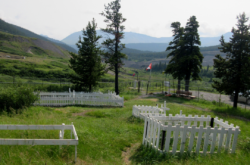
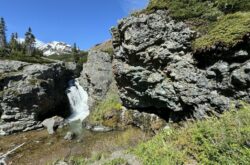
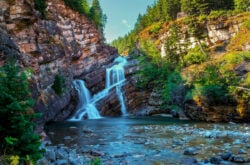
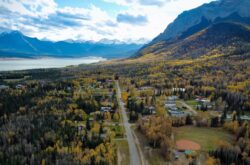
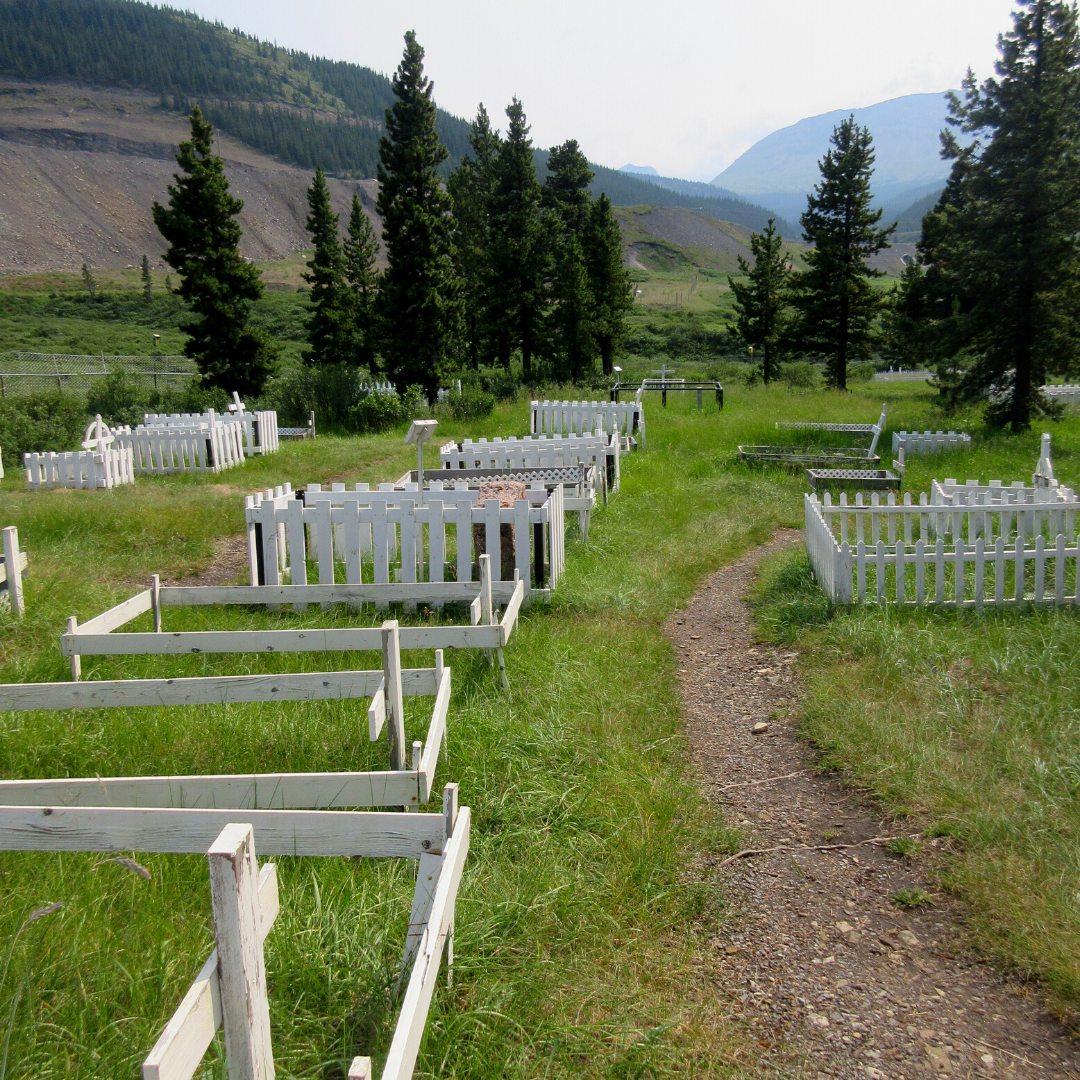
A quick detour even further south leads to the quaint valley area of Cadomin, a few waterfall hikes, and Canada’s highest elevated cemetery/ghost town of Mountain Park. Cadomin and Mountain Park both served as coal branch work camps and offer several ways to look into the area’s past: the road beyond Cadomin contains interpretive signage, the maintained historic cemetery is open to visitors, and the remains of Mountain Park’s camp area are just beyond the cemetery. Between Cadomin and Mountain Park is the Whitehorse Wildland PRA, with four different hiking trails from which you can choose.
Credit: beeswriting
5. Gregg Cabin Recreation Area
Continue the historical tour of the Branch with a final stop at the Gregg Cabin Recreation Area. This campground is home to a sheltered picnic area and washrooms, with access to the Bighorn Trail (a 40km out-and-back trail leading up to Hinton) and Gregg River (a popular fishing location).