Banff
Banff 
Alberta government is restricting the use of automated traffic enforcement by putting the onus on municipalities to justify each location where photo radar is deployed starting April 2022.
The government says the change is to enhance accountability and transparency and to ensure that photo radar technology is used primarily for traffic safety, not for revenue.
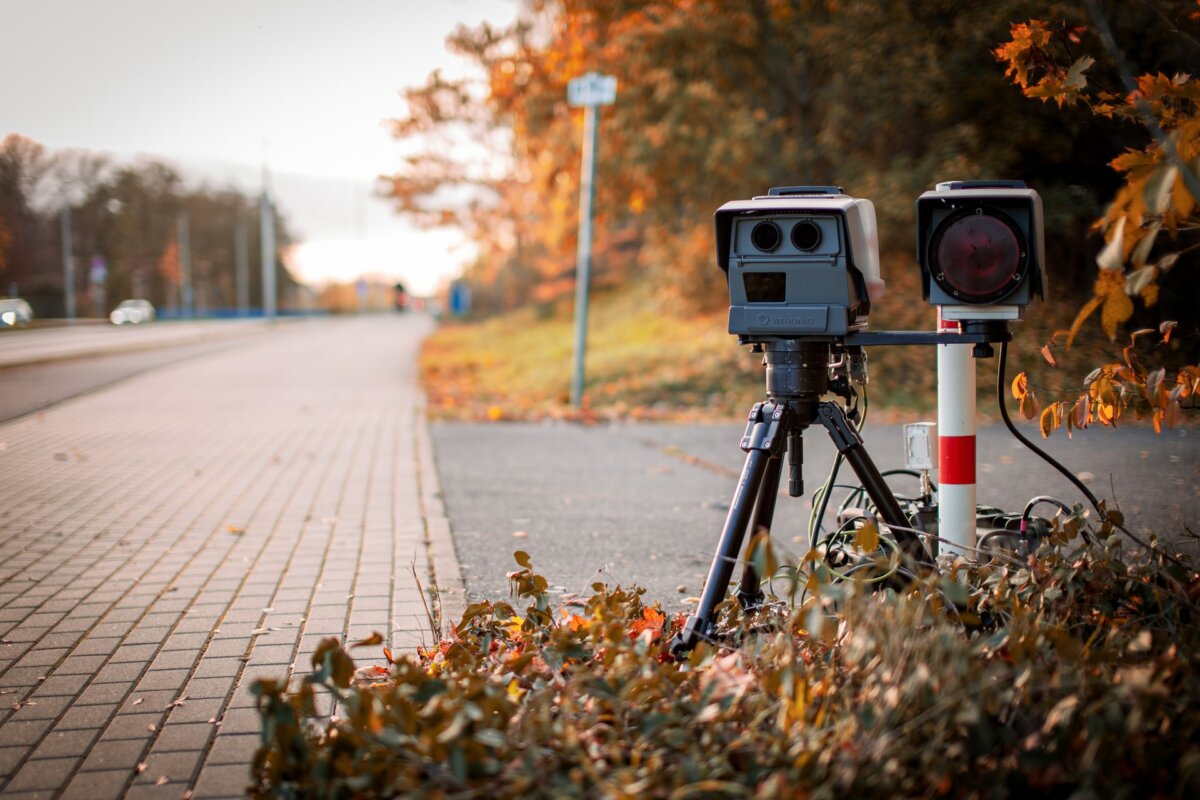
Credit: Denny Müller/ Unsplash
Starting April 2022, the following changes will be in effect:
- restrictions on photo radar use in transition zones and on residential roads with less than 50 km/h speed limits restrictions do not apply to school, playground or construction zones
- eliminating double ticketing within five minutes
- mandating all photo radar enforcement vehicles be clearly visible
- requiring rationale and data for sites to justify the use of photo radar
As per the news release, municipalities have approximately one year to enact these changes, including those that have budgetary implications. The freeze on automated traffic enforcement instituted Dec. 1, 2019, will be extended until Dec. 1, 2022, to allow municipalities to implement the new guidelines. Automated traffic enforcement generated $203 million in the 2019-2020 fiscal year, which included the surcharge for the Victim’s of Crime Safety Fund.
Minister of Justice and Solicitor General, Kaycee Madu said in a release, “Photo radar should only be used for traffic safety – not as a cash cow to squeeze extra money from Albertans. Our government has worked with police services and municipalities to implement changes that will ensure photo radar technology is used only to ensure our roads remain safe.”
Twenty-six municipalities use photo radar, which was introduced in Alberta in 1987