Calgary

Albertans will soon be able to receive certain minor surgical procedures and laser treatments at their local optometrist’s office, potentially saving them additional appointments, specialist referrals and travel.
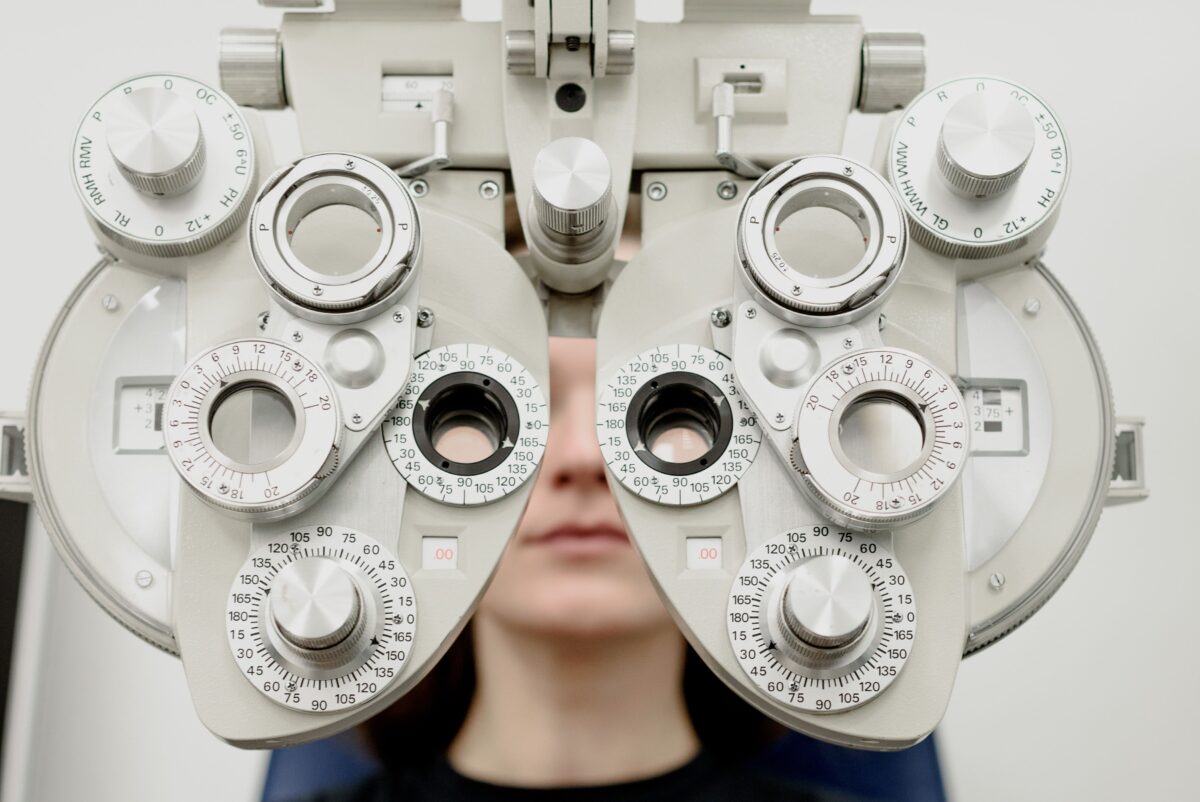
Starting November 1, 2026, Alberta will become the first province in Canada to permit qualified optometrists with additional training to perform these procedures in community clinics.
The changes will allow eligible optometrists to remove benign skin lesions, treat styes and perform three specific laser procedures.
The expanded services include three laser procedures: peripheral iridotomy (creating a small opening in the iris), selective laser trabeculoplasty (reducing eye pressure) and Nd:YAG capsulotomy (clearing cloudiness after cataract surgery).
Previously, patients had to be referred elsewhere for services that will now be available through participating optometry clinics.
The province says the expanded services could be particularly beneficial for people in rural and remote Alberta, where accessing specialized eye care can involve long drives and extended waiting periods.
“Getting the right care shouldn’t mean travelling hours or waiting longer than necessary for a procedure a qualified health professional can safely provide closer to home,” said Justin Wright, Alberta’s Minister of Primary and Preventative Health Services.
Not Every Optometrist Will Be Eligible
The new rules do not automatically authorize all optometrists to perform surgery.
Only practitioners who complete approved education, examinations and clinical supervision will be permitted to offer the additional procedures.
The Alberta College of Optometrists will establish standards of practice and oversee implementation.
Dr. Sophia Leung, president of the Alberta Association of Optometrists, called the change “a milestone for our profession and for Albertans seeking timely eye care.”
Ophthalmologists will continue performing these procedures.
However, Alberta expects that allowing appropriately trained optometrists to handle certain treatments will free up specialist capacity for patients with more complex eye conditions.