 Toronto
The federal government has tabled the Bail and Sentencing Reform Act, a package the Sean Fraser, Minister of Justice and Attorney General of Canada, says is designed to make bail harder to obtain for repeat and violent offending and to toughen sentences for serious crime.
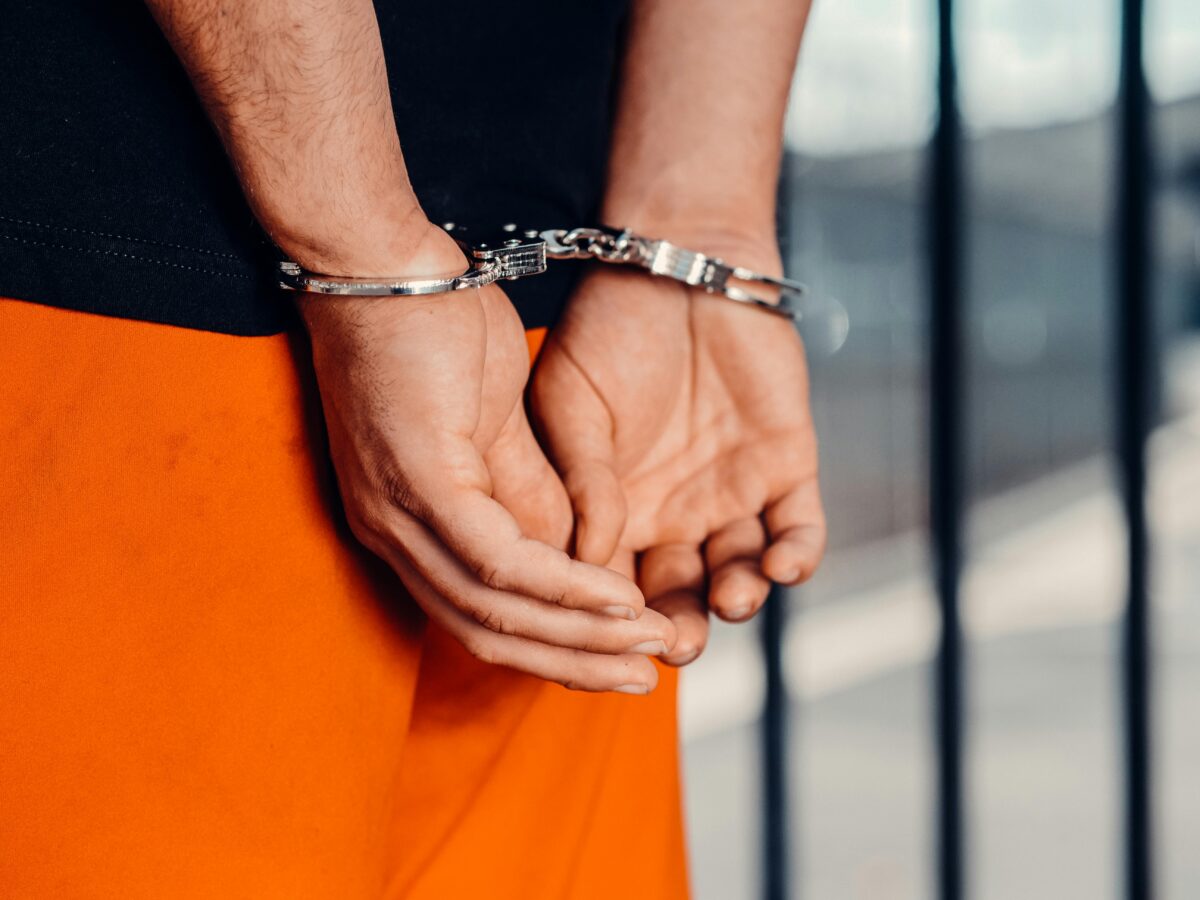
Credit: Kindel Media/Pexels
The bill follows extensive consultations and proposes amendments to the Criminal Code, the Youth Criminal Justice Act (YCJA) and the National Defence Act.
Stricter Bail Laws
New Reverse Onuses:
- The bill introduces new and expanded reverse onus provisions, meaning the default position is detention, and the accused must prove why they should be released on bail.
- New reverse onuses apply to violent and organized crime-related auto theft, break and enter of a home, trafficking in persons, human smuggling, assault and sexual assault involving choking or suffocation, and extortion with violence.
- The existing reverse onus for weapon-related offences expands to cover convictions within the last 10 years (previously five).
- A new reverse onus would apply after a finding of guilt if the Crown seeks to revoke bail before sentencing.
Police and Court Directives:
- Police will be directed not to release an accused if detention is required to protect victims, witnesses, or the public.
- Courts must consider whether allegations involve random or unprovoked violence and whether the accused has outstanding charges.
Weapons prohibitions would become mandatory at bail for extortion and organized crime offences, unless unnecessary for public safety.
Bail Plan Scrutiny:
- In reverse-onus cases, courts must carefully review bail plans, and the accused must show their plan is reliable and credible before being released.
Clarifications to Existing Principles:
- The ladder principle, which requires courts to start with the least restrictive form of release unless stricter conditions are justified, would not apply in reverse-onus cases.
- The tertiary ground for detention (maintaining confidence in the justice system) would require courts to weigh the number and seriousness of outstanding charges when deciding on bail.
New Bail Conditions:
- Courts would be required to consider curfews, geographic restrictions, no-contact orders, and bans on break-in tools for offences like auto theft, extortion, and break and enter.
Tougher Sentencing Laws
Consecutive Sentences:
- Sentences must be served one after another (rather than concurrently) for extortion and arson, and for violent or organized crime-related auto theft combined with break and enter.
- Judges must also consider consecutive terms for repeat violent offenders.
Aggravating Factors:
- Added for crimes against first responders, organized retail theft, and damage to essential infrastructure, such as copper theft.
Sentencing Priorities:
- Courts must prioritize denunciation and deterrence for second or subsequent convictions involving violent auto theft, break and enter, or organized crime-related offences.
Other Sentencing Amendments:
- The maximum penalty for contempt increases from $100 to $5,000, and imprisonment from 90 days to two years less a day.
- House arrest (conditional sentence orders) would no longer apply to serious sexual offences, including those involving children.
Provinces and territories could suspend local licences or permits to enforce unpaid federal fines. - Courts could order remote appearances of accused persons without consent in compelling circumstances.
- Driving prohibitions would be reinstated for manslaughter and criminal negligence causing death or bodily harm.
Youth Criminal Justice Act Reforms
Expanded Definition of Violent Offence:
- Crimes involving bodily harm would be clearly defined as violent, allowing for custodial sentences in more cases.
Public Safety and Transparency:
- Police could publish identifying information about a youth at large without a court order if there is immediate danger to the public.
Custody and Record Management:
- Time spent unlawfully at large would not count toward a youth’s sentence.
- Access to youth records arising from diversion or uncharged investigations would be set at two years.
Fraser said the government will bring forward further measures to address court delays, strengthen victims’ rights, and enhance protections for people facing sexual and intimate partner violence. Ottawa noted implementation will require provincial and territorial support for policing, prosecutions, courts, supervision programs, jails, and victim services.


