 Regina
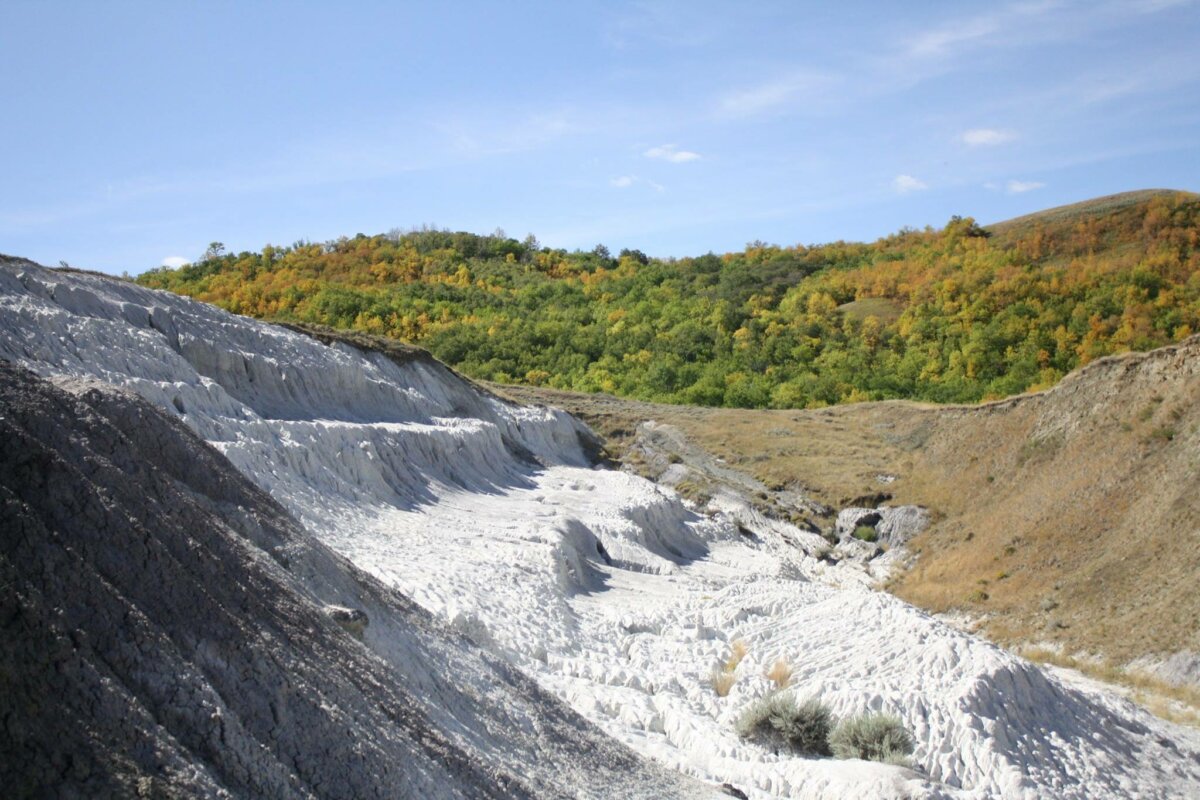
In the heart of southern Saskatchewan’s dirt hills was once a massive and busy industrial complex. The Claybank Brick Plant produced clay bricks from 1914-1989. While no longer busy or in operation, this brick plant still stands as one of the best-preserved structures of its kind in North America.
There are over a dozen buildings to see during a visit, all of which can be viewed from outside and which were built between 1912 and the 1930s.
The fact that almost the entire complex was so well preserved makes the Claybank Brick Plant National Historic Site such a significant part of Canadian history. The site was left virtually untouched upon closing!
Visiting the Claybank Brick Plant
- Tour the plant! This is the largest preserved plant of its kind in North America and is set in a scenic group of rolling hills. Walking around the site will have you stepping back into the early 1900s, as each building is well preserved. Learn about all the incredible steps involved, and where this brick ended up – the bricks were used for notable buildings across North America.
- Hike the rugged and beautiful surrounding Massold Clay Canyons. In the spring and summer, these hills are lush with wildflowers. Plus, these hills and canyons contain an array of other plant species and several types of berry bushes.
- Take a break from all the exploration with the Bunkhouse Café. The café is in one of the site’s older buildings and uses a brick oven to cook fresh bread. The Bunkhouse Café offers a selection of homemade lunch meals from the Interpretive Centre.
- The Brick Plant and Interpretive Centre often host events, too, including an annual Easter celebration.
Nearby Attractions
A road trip around Saskatchewan’s Dirt Hills and the Claybank area offers a great deal of local history from small-town or community museums, and great natural views.
- Explore more of southern Saskatchewan’s unique scenery with the Avonlea Badlands tours (~16 km from Claybanks). The badlands formations are on private property but are accessible via guided tours from the Avonlea Museum. The museum is in an authentic 1912 CN train station, featuring artifacts from Indigenous, natural, industrial, and agricultural history.
- To the north of Claybank is the Briercrest Museum, which has a wide array of local history artifacts, and the annual Heritage Festival in June.
- If visiting the area in spring or fall, make time for the short hike around the Old Wives Migratory Bird Sanctuary. The 2.4km trail offers excellent birding opportunities from the south side of the lake during the fall and spring migration seasons.
- Depending on how far you want to travel, there is much to see and do in the small city of Moose Jaw, north of Claybank and west of Regina. This is where you can find another unique tour via the famous Tunnels of Moose Jaw.
Nearby Local Dining Options
If time permits, enjoy your lunch or snacks at the Bunkhouse Café. Otherwise, more options are available outside Claybank within a 10-30-minute drive.
- Head east from Claybank to enjoy two great local options in Avonlea: Back Home Restaurant or Wilkinson Bar & Grill.
- A bit further east and along Highway SK-39 are even more choices: The Wilcox Inn Restaurant, or Mary’s place bar & Restaurant.
- Head north from Claybank to enjoy dozens of options along the route between Moose Jaw and Regina.
Planning your Trip – Claybank Brick Plant National Historic Site & Massold Clay Canyons
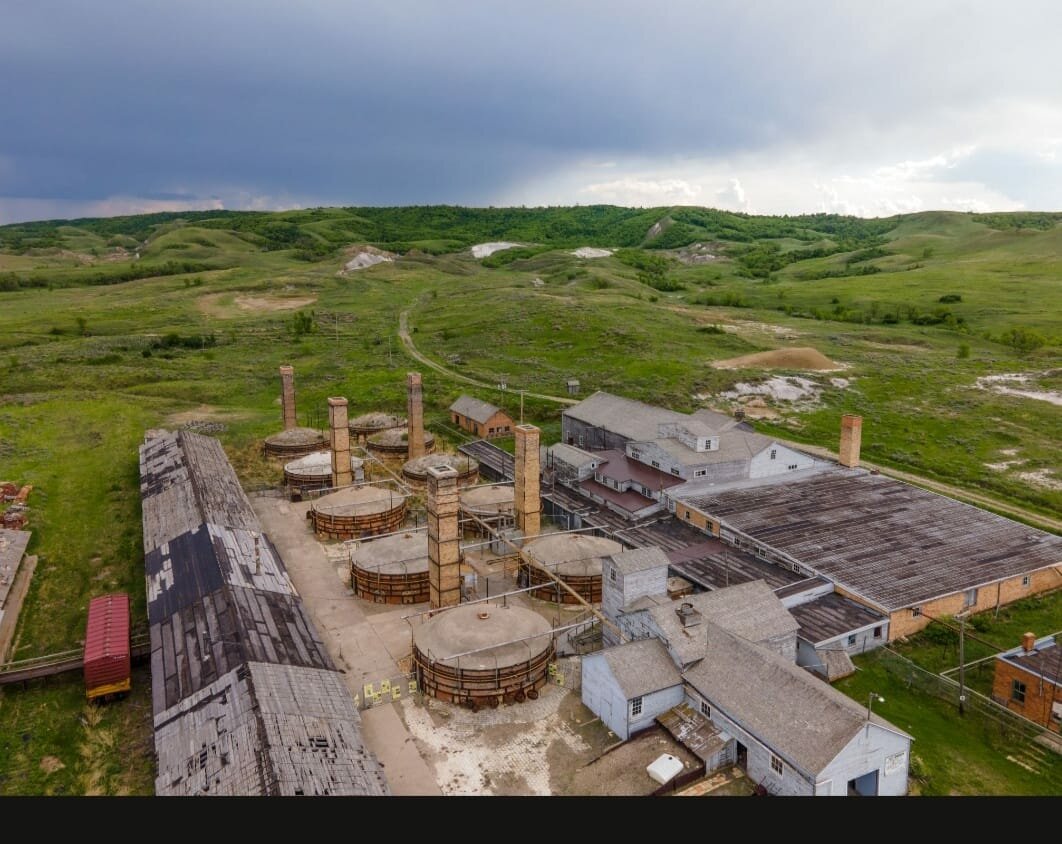
What: a former brick plant which operated from 1914-1989. The park and museum centre around over a dozen preserved buildings from the plant’s time in operation, including bunkhouses, kilns, a carpentry shop, and more. The site is also on a large area of protected land for hikers to enjoy during their visit.
When: Open Year Round, Hours Vary
Cost:
-
Children under 6: Free
-
Ages 7–12: $5
-
Ages 13 and up: $10
-
Seniors: $6
Location & how to get there: 95km southwest of Regina
Use Highway SK-339 to access Claybank
For more information:
Claybank Brick Plant National Historic Site


