Toronto
A new housing and infrastructure deal between Ottawa and Queen’s Park is aiming to ease some of the pressure many Canadians are feeling.
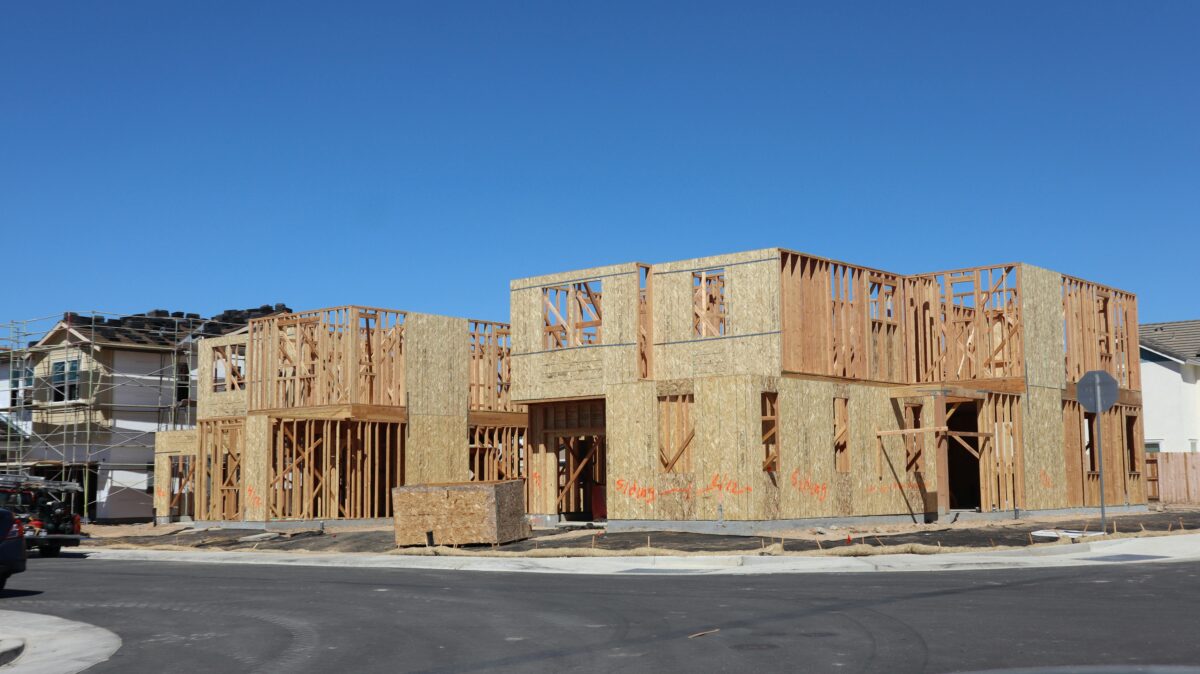
Prime Minister Mark Carney and Ontario Premier Doug Ford announced a joint plan focused on building more homes, expanding transit, and lowering upfront housing costs. One of the headline figures is a potential reduction of up to $200,000 in taxes and fees for a home in Ontario.
A significant part of the strategy focuses on development charges, which are fees developers pay to fund infrastructure such as roads, water systems and parks. These costs have been rising steadily and are often passed on to buyers. Under the new agreement, Ottawa and Ontario will jointly invest $8.8 billion over 10 years to support housing-related infrastructure. The goal is to cut these charges by up to 50 per cent for three years in municipalities covering about 80 per cent of Ontario’s population.
Per the news release, municipalities are also expected to play a role by supporting the reductions, with all three levels of government contributing to the effort. Ontario will work with local partners to identify infrastructure projects, with an emphasis on moving them forward quickly.
As announced previously, the full 13 per cent HST will be removed on new homes priced up to $1 million. That could mean savings of up to $130,000. The rebate remains at that level for homes up to $1.5 million, then gradually declines, reaching up to $24,000 for homes valued at $1.85 million and above. The province estimates this will deliver nearly $2.2 billion in tax relief, while supporting 8,000 additional housing starts and up to 21,000 jobs.
The agreement ties into a broader federal push to increase housing supply. Bill C-26, introduced March 26, would provide $1.7 billion to provinces and territories to support new construction.
Further details on how development charge reductions will be rolled out are expected from Ontario.
Alongside housing, the Ontario and federal governments are advancing several transit projects. These include the Waterfront East line along Toronto’s eastern waterfront, including the East Bayfront and Port Lands, expected to serve more than 150,000 people and support 75,000 housing units, as well as progress on GO 2.0, high-speed rail between Toronto and Québec City, and multiple subway and light rail expansions in the Greater Toronto and Hamilton Area.
The agreement also prioritizes Canadian materials and suppliers as part of a broader effort to strengthen the domestic economy.