Toronto
Ontario is moving ahead with a proposed 23-acre expansion of Uxbridge Urban Provincial Park, adding land along the park’s northern boundary to protect more greenspace in the Oak Ridges Moraine.
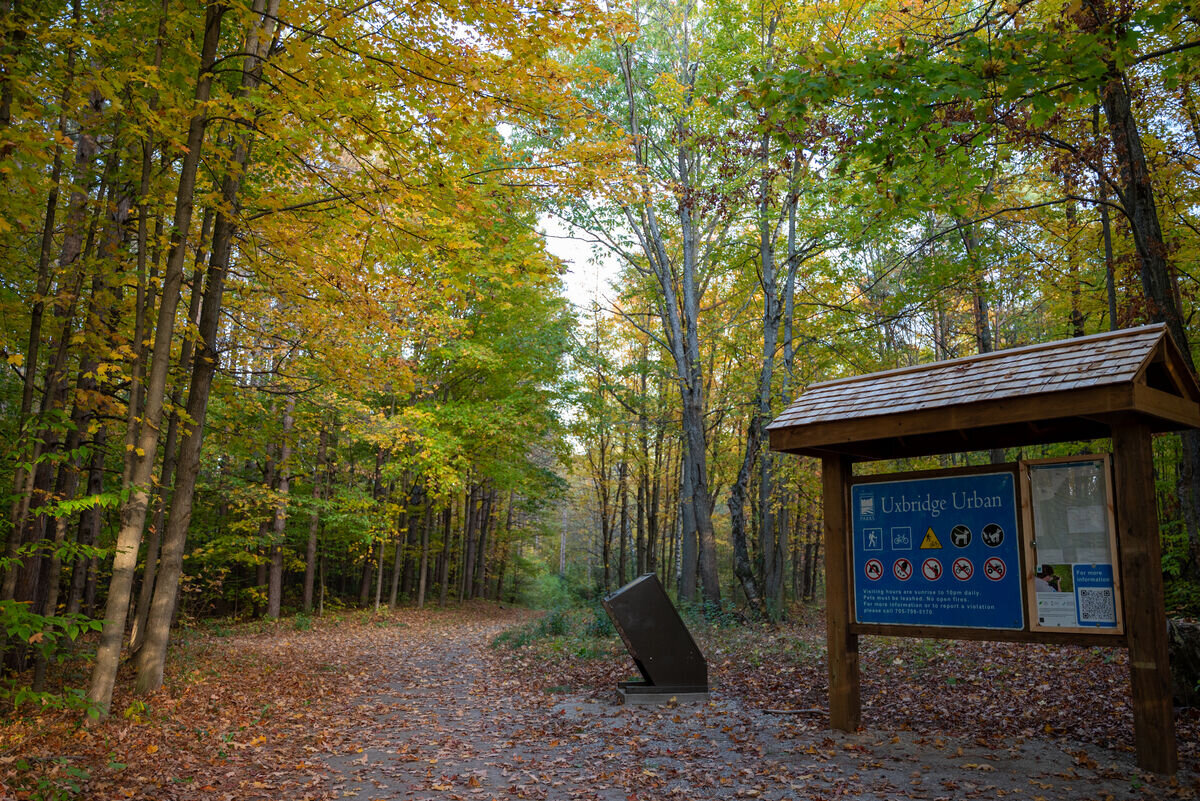
Credit: Ontario Parks
The newly acquired land, roughly equal to 12 Canadian football fields, was recently transferred to the province by Metrolinx. If formally added to the park, it would help protect grassland habitat while creating opportunities for new trail connections and visitor parking.
Uxbridge Urban Provincial Park opened to the public on July 1, 2024, as Ontario’s first urban provincial park. The expansion is part of the province’s three-year, $19-million investment in the park, which covers planning, consultation, operations and future growth.
Todd McCarthy, Ontario’s Minister of the Environment, Conservation and Parks, said the province wants the park to give families and future generations more access to nature close to home. Peter Bethlenfalvy, MPP for Pickering-Uxbridge, connected the project to Uxbridge’s identity as the “Trail Capital of Canada,” noting its role in conservation, tourism and local economic growth.
Before the land is officially added, the ministry will carry out planning work, including public consultation. That process will help guide the final decision on the park boundary and the policies used to manage the added lands.
The park currently offers free, year-round, self-guided recreation, including hiking and cycling on 16 kilometres of trails. It is located 50 kilometres northeast of downtown Toronto and 40 kilometres northwest of Oshawa, making it accessible to many residents in the Greater Toronto Area.
The province also released the official Uxbridge Urban Provincial Park crest to mark the park’s continued growth. Its design includes accessible trail themes, coniferous tree silhouettes and an urban backdrop inspired by the Uxbridge town skyline.
The proposed expansion was developed through work with the Uxbridge Partners’ Network, which includes the Township of Uxbridge, Durham Region, Toronto and Region Conservation Authority, Nature Conservancy of Canada, Lake Simcoe Region Conservation Authority, The Schad Foundation and Green Durham Association.