 Toronto
The Public Health Agency of Canada (PHAC) is reminding pet owners and people who handle pet snakes, rodents and feeder rats to be careful.
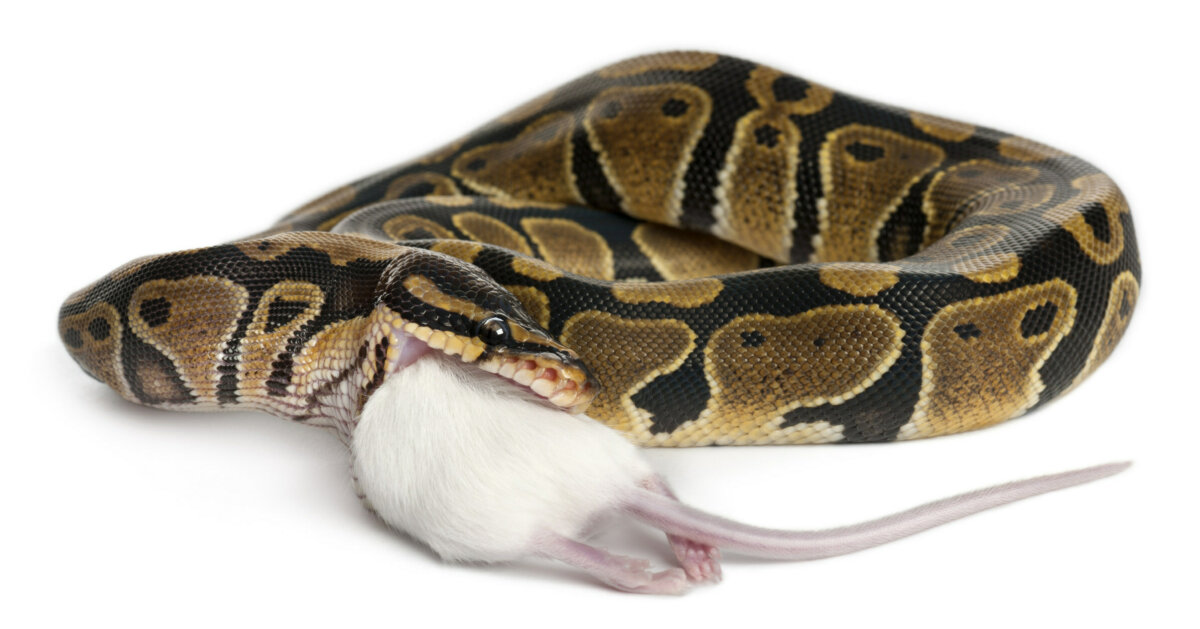
CNW Group/Public Health Agency of Canada
The advisory comes following a Salmonella outbreak in eight provinces.
Per the news release, PHAC s working alongside provincial public health partners to examine an ongoing Salmonella outbreak affecting eight provinces, with recent infections still being reported. The outbreak has been connected to snakes and feeder rodents (rats used as food), as many of those who fell ill had direct or indirect contact with these animals or their food before getting sick.
To prevent further illness, individuals are advised to maintain good hand hygiene, wash hands frequently, and handle snakes, rodents, their food, and habitats safely. This advice stems from the current investigation and previous Salmonella outbreaks linked to snakes and rodents, emphasizing the role of reptile owners and businesses in preventing new illnesses related to such pets.
As of April 13, 2023, the outbreak includes 45 confirmed Salmonella cases across various provinces — British Columbia (1), Alberta (5), Saskatchewan (1), Manitoba (3), Ontario (22), Quebec (11), New Brunswick (1) and Newfoundland and Labrador (1). Affected individuals range from 0 to 96 years old, with 20% under five years of age. Nine hospitalizations have occurred, and one death has been confirmed as caused by Salmonella.
The collaborative outbreak investigation began this spring due to a rise in Salmonella cases across Canada. Whole genome sequencing has shown that some illnesses from 2022 share the same genetic type as those in 2023. PHAC says the illness reporting period is between 4 and 6 weeks, so more recent cases may be added to the outbreak.
Salmonella infections can affect anyone, but children under five, older adults, pregnant individuals, and those with compromised immune systems face a higher risk of serious illness. Most infected people will fully recover within a few days, while some may not exhibit symptoms but can still spread the infection to others.
Symptoms:
Symptoms of a Salmonella infection, called salmonellosis, typically start 6 to 72 hours after exposure to Salmonella bacteria from an infected animal, person, or contaminated product.
Symptoms include:
- fever
- chills
- diarrhea
- abdominal cramps
- headache
- nausea
- vomiting
These symptoms usually last for 4 to 7 days. People who experience symptoms or have underlying medical conditions should contact their healthcare provider if they suspect they have a Salmonella infection.
What should you do to protect your health:
To prevent the direct or indirect spread of Salmonella to others, follow:
- Always wash your hands immediately after touching a reptile or rodent, and anything they eat, or after being in the area where they live, play or touch
- Regularly clean any surfaces or objects your reptile or rodent touches with soapy water followed by a household sanitizer
- Never kiss a pet rodent or reptile
- Do not keep reptiles or rodents in homes, daycare centers, schools, or other facilities with children aged 5 years and under
- Always supervise children when they touch or play with reptiles or rodents
- Do not let them put reptiles and rodents or their supplies near their face or share their food or drinks with pets
- Make sure they thoroughly wash their hands after touching reptiles or rodents
- Children 5 years and under should not handle reptiles or rodents
- Do not clean or bathe reptiles or rodents in the kitchen sink, bathroom sinks, or bathtubs
- Do not keep food used for reptiles or rodents in the kitchen or any room where people eat or drink
- Keep reptiles and rodents and all their food, containers, enclosures, and any objects that have been in their enclosures, such as plants or enrichment items, away from the kitchen and other places where food is made or eaten
- Do not keep frozen rodents in the same fridge or freezer as human food.
- Freezing rodents does not kill Salmonella
- Always defrost and prepare frozen rodents outside the kitchen, using dedicated utensils and containers
- Be aware of the specific needs of your reptile. Stress for a reptile can increase the shedding of Salmonella
- Always keep reptiles and live rodents in habitats specifically designed for them
- If you choose to have a reptile or rodent in your home, talk to your health care provider or veterinarian about the right reptile or rodent for your family, especially if your family includes children 5 years and younger, pregnant people, immunocompromised individuals, or adults 65 years of age and over


