 Kelowna
The salmon run is a wonder of nature.
The Adams River Salmon Society
The salmon run is the annual migration in which salmon leave the ocean and swim upstream to the rivers and streams where they were born to spawn and die. In fall, several North Pacific salmon species return to waterways across British Columbia, as well as Washington and Alaska in the United States.
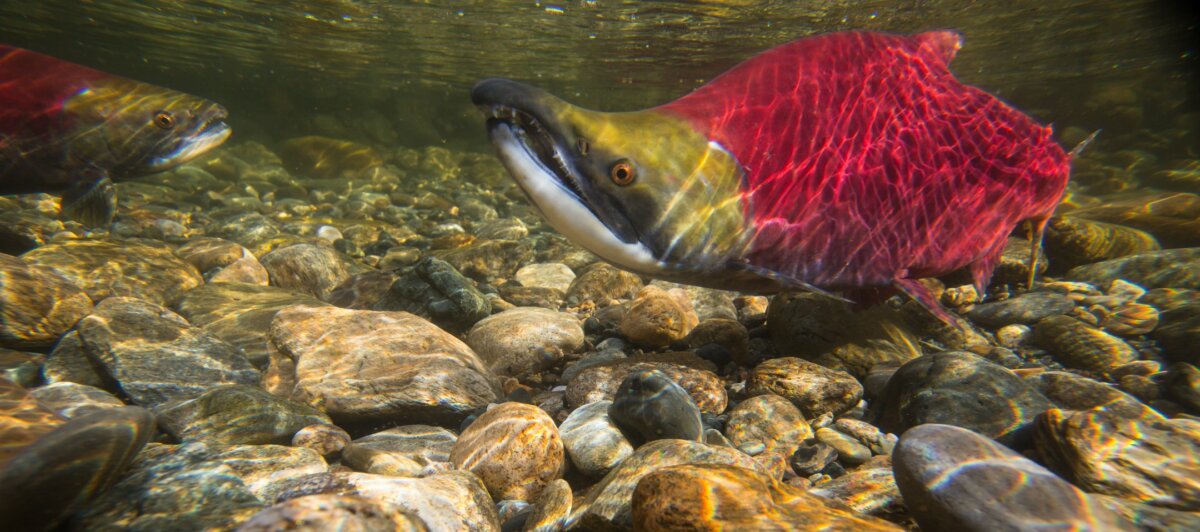
Sockeye salmon undergo a particularly dramatic transformation during this journey. Their silver bodies turn bright red, and their heads become green. Males also develop hooked jaws, humped backs and prominent teeth, which they use to compete for and defend spawning areas. Once salmon enter fresh water, they stop feeding.
Sockeye and other Pacific salmon can be seen returning to spawning grounds in many B.C. rivers, especially the Fraser and Thompson River systems and their tributaries. The Adams River run, however, is considered one of the largest sockeye salmon runs in North America.
Adams River sockeye follow a four-year cycle, and 2026 is a dominant year, when the largest returns occur. In a dominant year, more than one million sockeye salmon can return to the river.
A female sockeye lays roughly 2,200 to 4,300 eggs. After hatching, the young fish move into Shuswap Lake, where they remain until the following spring. They then travel through the Thompson and Fraser rivers to the Pacific Ocean. Several years later, only a small number survive the many hazards of the journey and return to the Adams River to spawn.
To mark the dominant run, the Adams River Salmon Society hosts Salute to the Sockeye, a three-week celebration focused on the sockeye salmon’s life cycle, migration and return to the river.
In addition to watching the salmon run from the viewing platform and hiking trails, during the festival, you can explore the local indigenous culture, discover local artists and artisans and eat great food.
The festival will also feature an educational interpretive program about the salmon life cycle for students.
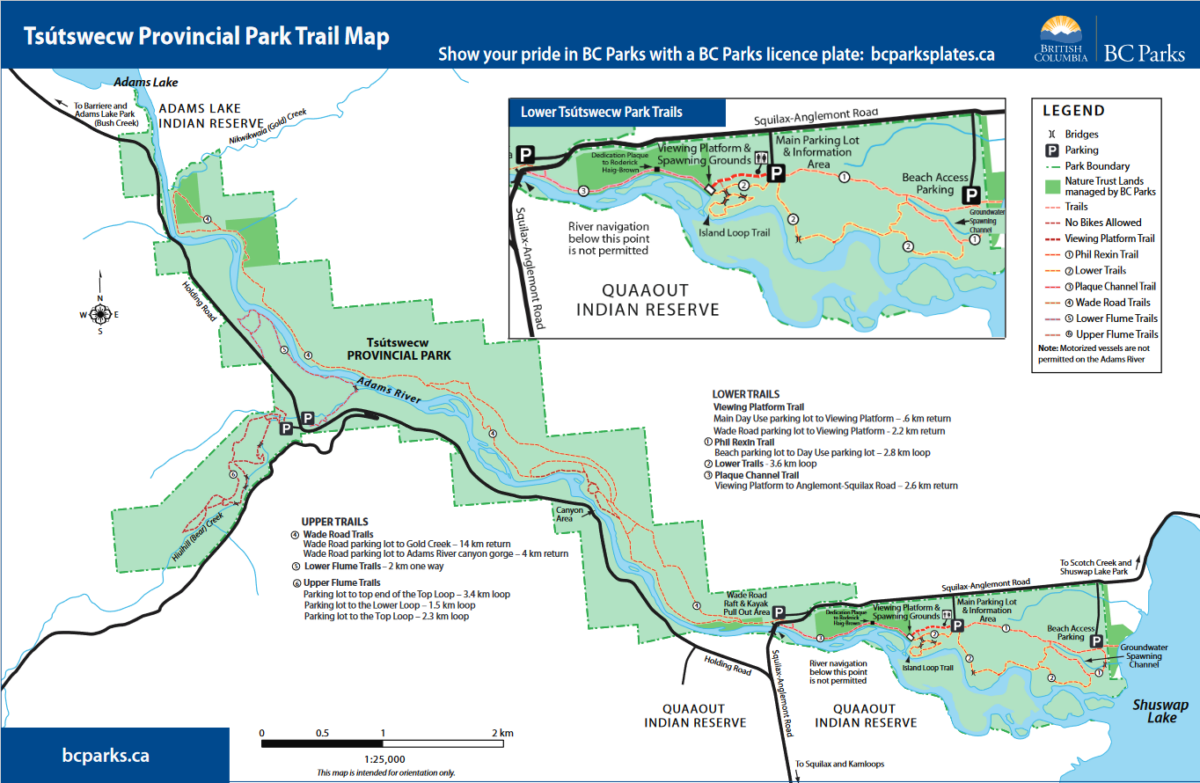
The Sockeye Salute celebration takes place in Tsútswecw Provincial Park which is located northeast of Kamloops (73 km) and northwest of Salmon Arm (48 km).
Trip Planning: Salute to Sockeye – Salmon Run Celebration
The Adams River Salmon Society
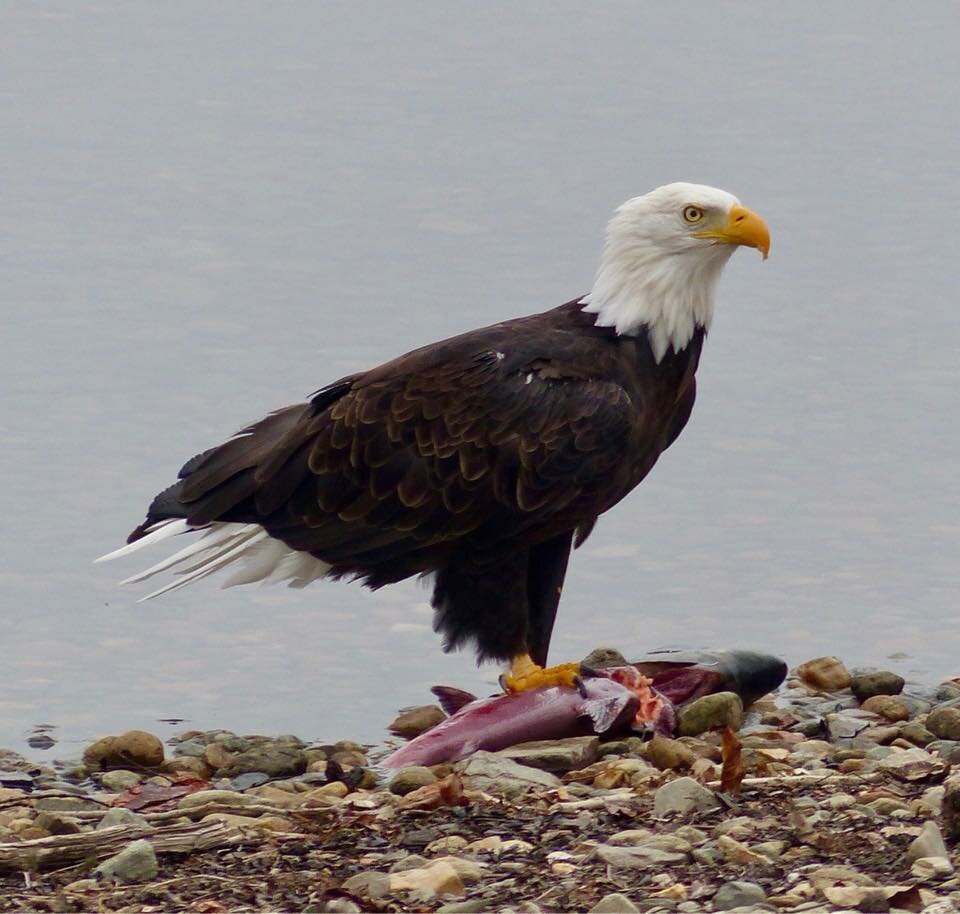
What: Visit Tsútswecw Provincial Park to see sockeye salmon return to spawn and also to enjoy associated festivities. You might also get to see other wildlife that live on salmon, including eagles and hawks.
When: Festival: October 9-25, 2026. The Festival site is open daily from 8:30 a.m. – 4:30 p.m.
Vendors and activities will run from 10 a.m. – 4 p.m.
Chinook Salmon: September through Mid-October (every year)
Sockeye Salmon: Late September through early November (every year with a dominant run every four years (2026, 2030, 2024). The year after the dominant year has subdominant sockeye runs.
Pink Salmon: Late September through Late October every odd-numbered year ( 2027, 2029, 2031)
Coho Salmon: Late October through December (every year)
Where:
Credit: BC Parks
Tsútswecw Provincial Park, 2300 Squilax-Anglemont Rd, Chase
Tsútswecw Provincial Park is located:
~ 48 km from Salmon Arm
~ 73.0 km from Kamloops
~ 155 km from Kelowna
~ 425 km from Vancouver (~ 4 hr 30 min drive)
~ 560 km from Calgary (~6 hours drive)
How Much: Festival Admission —
$15 per private vehicle
$5 per person for a commercial van (10 to 20 passenger capacity)
$150 per bus (21 to 40 passenger capacity)
$175 per bus (41+ passenger capacity)


I stopped reading at the Adams River is considered the largest sockeye run in North America. Babine River can see 2-3 million which pales in comparison to rivers of Bristol Bay. The writer needs to check some facts.
I think there are more in Babine Lake