 Toronto
Prime Minister Mark Carney visited Beijing this week, marking the first trip to China by a Canadian prime minister since 2017 and formalizing a new strategic partnership with the People’s Republic of China.

Credit: Tiago Ferreira/ Unsplash
Carney and President Xi Jinping issued a joint statement setting out cooperation across energy, agri-food, trade, public safety, and global governance.
Here are the highlights of the agreement:
The agreement recognizes the People’s Republic of China as Canada’s second-largest trading partner, with $130.9 billion in bilateral trade in 2024. It aims to resolve long-standing trade issues and enable new investment benefiting Canadian workers and businesses. Progress will be reviewed after three years, with further work planned on unresolved trade irritants.
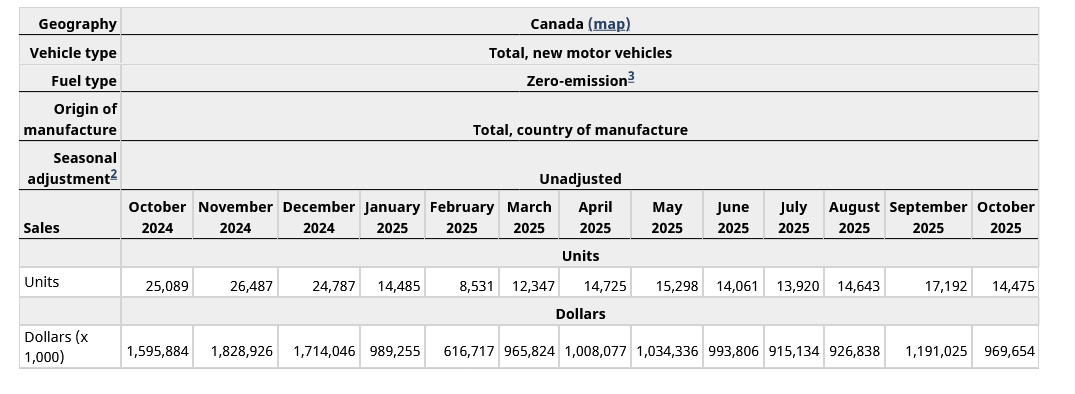
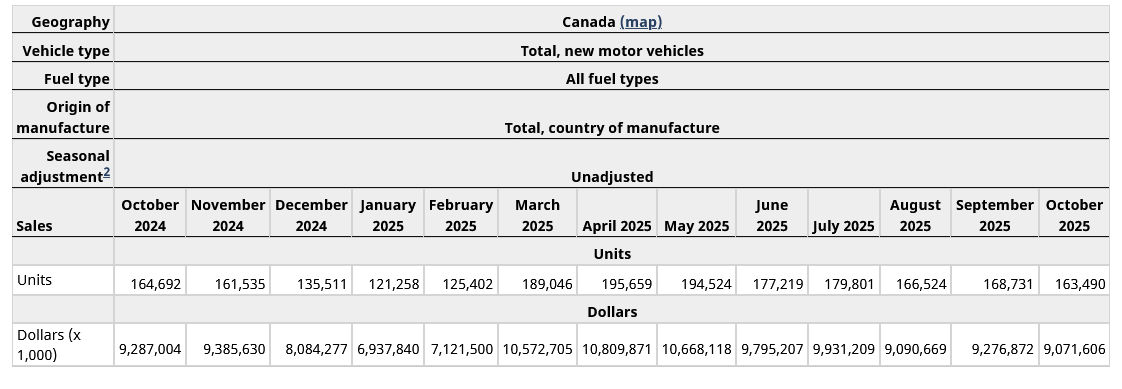
- Electric Vehicles: Canada will allow up to 49,000 Chinese-made EVs annually at a most-favoured-nation tariff rate of 6.1%. That volume reflects pre-2023 trade levels and represents less than 3% of Canada’s new vehicle market. The framework is designed to attract joint-venture investment, support domestic manufacturing, and expand the EV supply chain. By 2030, 50% of imports under the quota are expected to be priced below $35,000.
- Canola Seeds: China is expected to reduce tariffs on Canadian canola seed to about 15% by March 1, 2026, down from roughly 84%. This change would significantly improve access to a $4 billion annual export market, restoring competitiveness for Canadian producers and easing one of the most consequential agricultural trade barriers between the two countries.
- Canola Meal, Lobsters, Peas, Crabs and Other Products: From March 1, 2026, to year-end, key Canadian products, including canola meal, lobsters, peas, and crabs, are expected to be exempt from anti-discrimination tariffs. This would improve access for $2.6 billion in agricultural exports. China is also expected to accelerate the resumption of imports of Canadian beef, pet food, and animal genetics.
- Steel and Aluminum: Canada will extend and expand tariff remission measures on certain Chinese steel and aluminum products in short supply domestically through the end of 2026. The measures cover existing and newly added product lines and apply retroactively to January 1, 2026. They target materials not produced in sufficient quantities by Canadian manufacturers.
- Trade Diversification: Building on the agreement, Canada has set a goal to increase exports to China by 50% by 2030. The objective reflects a broader strategy to diversify trade, deepen commercial ties, and capture greater value from access to one of the world’s largest markets.
China has also committed to introducing visa-free access for Canadians travelling to China.
Both countries are committed to expanding cooperation in batteries, solar, wind, and energy storage, with the Prime Minister also holding meetings with Chinese business leaders to explore investment opportunities in Canada.
Canada and China also agreed to deepen cooperation on law enforcement, cultural exchanges, tourism, and multilateral institutions, with Carney expected to return to China for the 2026 APEC Leaders’ Summit.
According to Statistics Canada, Canadians purchase about 2 million new vehicles each year, including roughly 200,000 zero-emission vehicles. (battery electric and plug-in hybrid electric).
Canada-China Economic and Trade Cooperation Roadmap
Add as a trusted source on Google


