 Calgary
Alberta has introduced a new framework intended to expand recreational access and encourage year-round use of three prominent mountain destinations that have long operated under seasonal constraints.
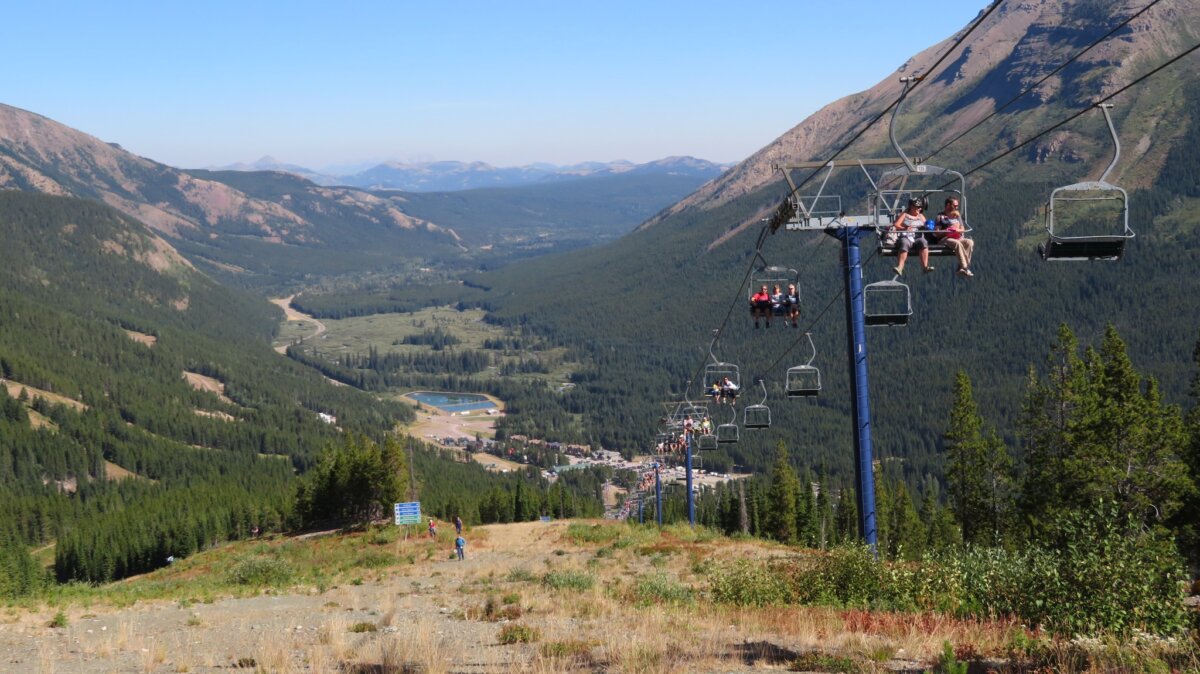
Castle Mountain Resort
The province has officially designated Castle, Fortress and Nakiska as Alberta’s first all-season resort areas, removing regulations that for decades confined them to winter operations and limited upgrades or routine maintenance. The government says the new model is designed to streamline approvals while upholding existing environmental obligations.
Officials describe the resorts as longstanding contributors to Alberta’s outdoor culture, noting their roles in international sporting events and film productions. The province states that all-season status is expected to diversify affordable outdoor options for residents and visitors, while maintaining standards under the Public Lands Act, Water Act and Environmental Protection and Enhancement Act. Any development will continue to undergo environmental assessments addressing wildlife, water use, wildfire risk and visitor management.
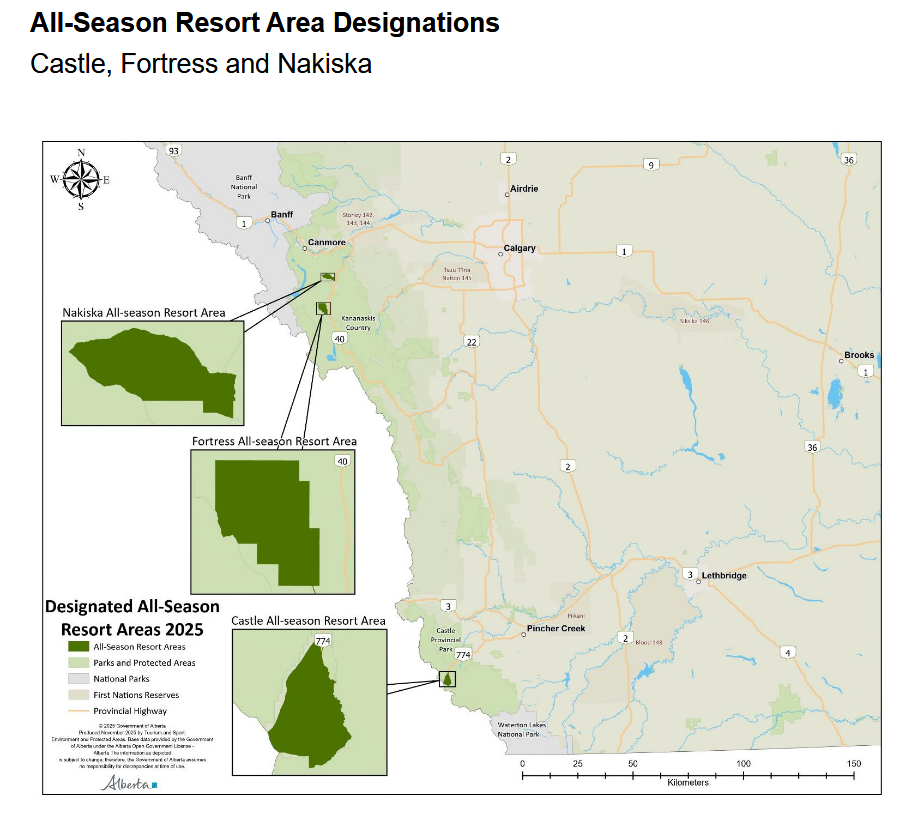
Tourism and Sport Minister Andrew Boitchenko said the province aims to balance economic growth with environmental protection and opportunities for Indigenous communities. The designations follow several years of land management changes, including the addition of more than 300,000 hectares to parks and recreation areas since 2019. A series of small boundary adjustments affecting less than 0.03 per cent of the parks system places established ski terrain under the appropriate regulatory authority.
Industry organizations expect the shift to drive employment and investment. Over the next decade, projections indicate up to 24,000 new jobs, $3.6 billion in GDP and $4 billion in visitor spending. Operators will be encouraged to work with local suppliers and businesses.
Representatives from tourism groups, including the Canada West Ski Areas Association and the Tourism Industry Association of Alberta, described the policy as a corrective to previous land-use restrictions and a catalyst for rural development and expanded community engagement.
The province emphasized that Indigenous participation is a central component of the framework. Alberta conducted formal consultations with Indigenous Nations during the evaluation process, and future project proponents will be required to meet consultation standards. Leaders from the Chiniki and Goodstoney First Nations expressed support for continued collaboration, stressing the importance of respecting Treaty rights, environmental stewardship and shared economic benefits. Indigenous Tourism Alberta highlighted potential gains for cultural inclusion, employment and language revitalization.
With designation complete, proponents may now proceed with consultation, public engagement and formal submissions. Each proposal will be reviewed by the regulator with input from technical specialists and affected municipalities.


