 Cape Breton Island
The federal government has officially designated Country Island, Isle Haute, and St. Paul Island in Nova Scotia as National Wildlife Areas.
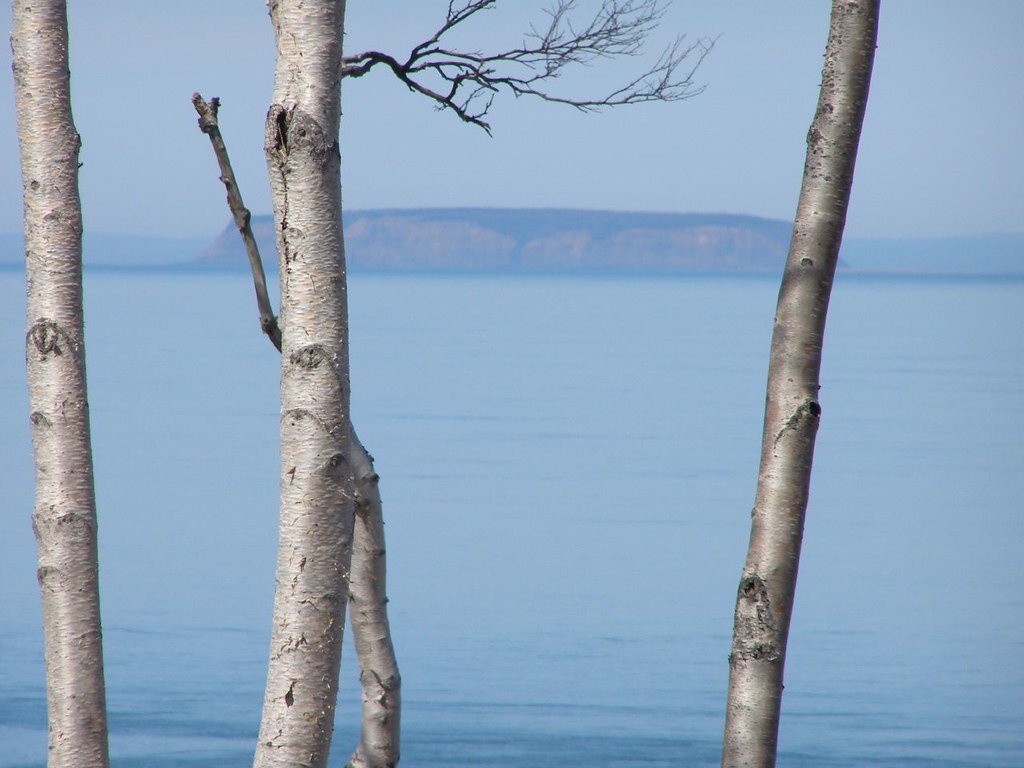
This move aims to conserve critical habitats for migratory birds and species at risk on these ecologically significant offshore islands. The announcement, made by Environment and Climate Change Minister Steven Guilbeault, highlights the islands’ unique role in supporting biodiversity and preserving Atlantic ecosystems. The new designations expand Canada’s network of protected areas under the Canada Wildlife Act.
Isle Haute National Wildlife Area (89 hectares) is the largest island in the Bay of Fundy. It provides undisturbed habitats for over 60 bird species, including breeding and wintering sites for species such as the great black-backed gull. The island holds cultural and historical significance for the Mi’kmaq, who have used it for centuries for hunting and travel.
St. Paul Island National Wildlife Area (478 hectares), also known as “Kiwkto’qi-Mnikuk” in Mi’kmaq, supports 1% of Canada’s Bicknell’s thrush population, a threatened species. It features unique plant species and stunted forests that serve as nesting grounds for Bicknell’s thrush, Leach’s storm-petrel, and others. The Mi’kmaq traditionally used it as a stopover point between Cape Breton and Newfoundland.
Country Island National Wildlife Area (21 hectares) is critical for migratory birds and species at risk. Approximately 25% of Canada’s roseate tern population nests here, alongside the largest common and Arctic tern colonies in Nova Scotia. The island also serves as a stopover for migrating shorebirds and is a key research site.
The designation ensures stricter habitat protection, requiring permits for access, while fisheries in surrounding waters remain unaffected. With these additions, Canada now has 60 National Wildlife Areas, protecting over 3.5 million hectares of habitat.
This initiative is part of Canada’s commitment to halt biodiversity loss by 2030 and fully restore nature by 2050.


