Toronto
Keurig Canada will pay $3 million in penalty over false or misleading environmental claims made to consumers about the recyclability of its single-use Keurig K-Cup pods says Competition Bureau Canada.
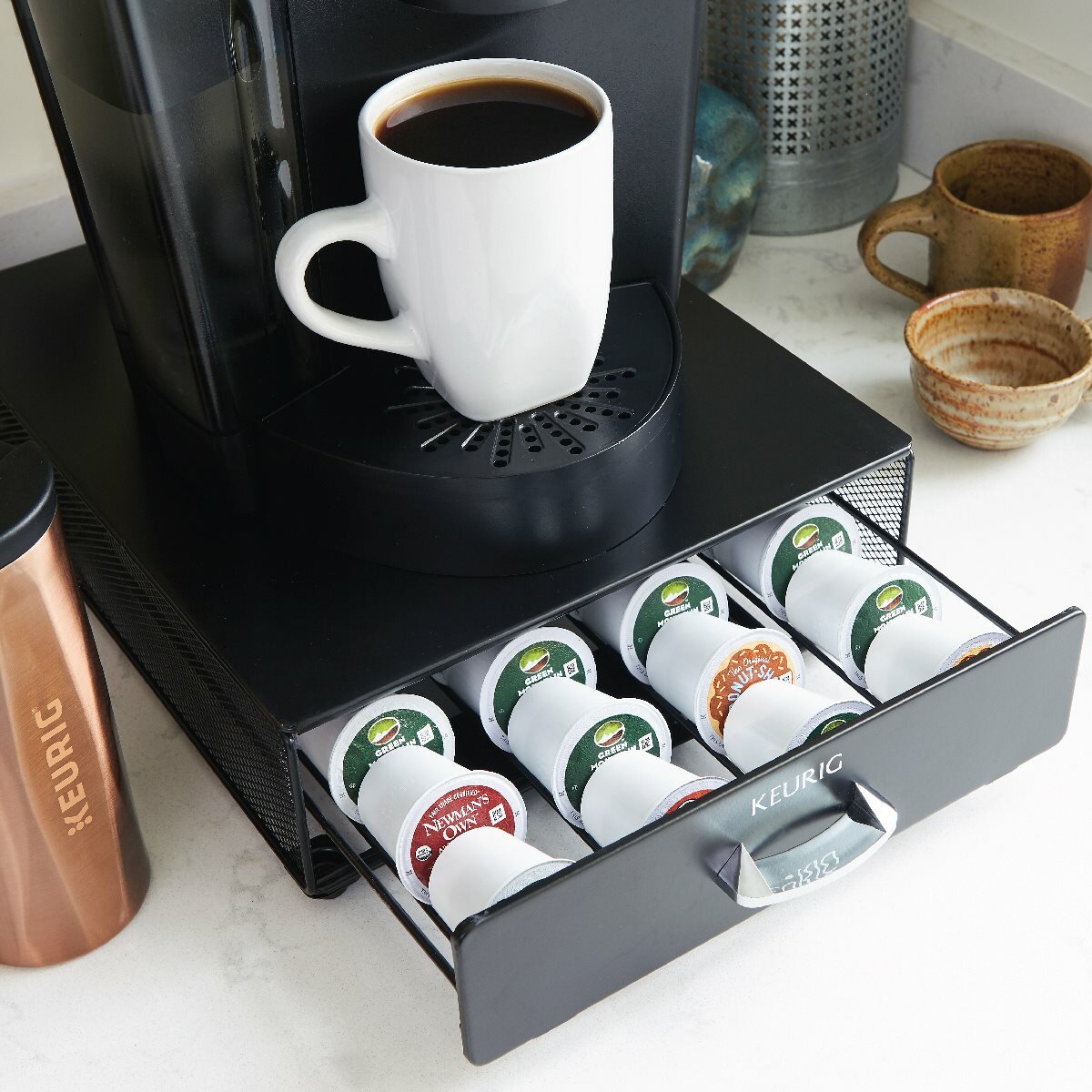
Keurig Canada
The agency investigated Keurig Canada over claims regarding the recyclability of its single-use coffee pods and found that they were false or misleading in areas as K-Cup pods are currently not widely accepted in municipal recycling programs outside of British Columbia and Quebec.
Competition Bureau says while most of the local recycling programs required additional steps to recycle the K-Cup pods, Keurig Canada’s claims gave the impression that consumers can easily prepare the pods for recycling by peeling the lid off and emptying out the coffee grounds.
According to the news release, the company voluntarily reached an agreement with the Competition Bureau.
In addition to the $3 million fine, Keurig Canada will have to donate $800,000 to an environmental charity and $85,000 for the costs of the Bureau’s investigation.
Keurig Canada will also have to change its packaging, change its recyclable claims, publish corrective notices about the recyclability of its product on its websites, on social media, in national and local news media, in the packaging of all new brewing machines and via email to its subscribers.
Commissioner of Competition Matthew Boswell said in a statement, “Portraying products or services as having more environmental benefits than they truly have is an illegal practice in Canada. False or misleading claims by businesses to promote “greener” products harm consumers who are unable to make informed purchasing decisions, as well as competition and businesses who actually offer products with a lower environmental impact.”
Canada’s Competition Act forbids companies from making false or misleading claims about a product or service to promote their business interests.
In 2017, the Competition Bureau warned businesses of issues related to making environmental claims that are misleading or likely to result in misinterpretation.
Canadians can report suspected deceptive marketing practices by using the Bureau’s online complaint form.