Moncton
The Bank of Canada kept its policy rate unchanged at 2.25%, choosing caution as global pressures complicate the inflation picture. The Bank Rate remains 2.5%, while the deposit rate is 2.20%.
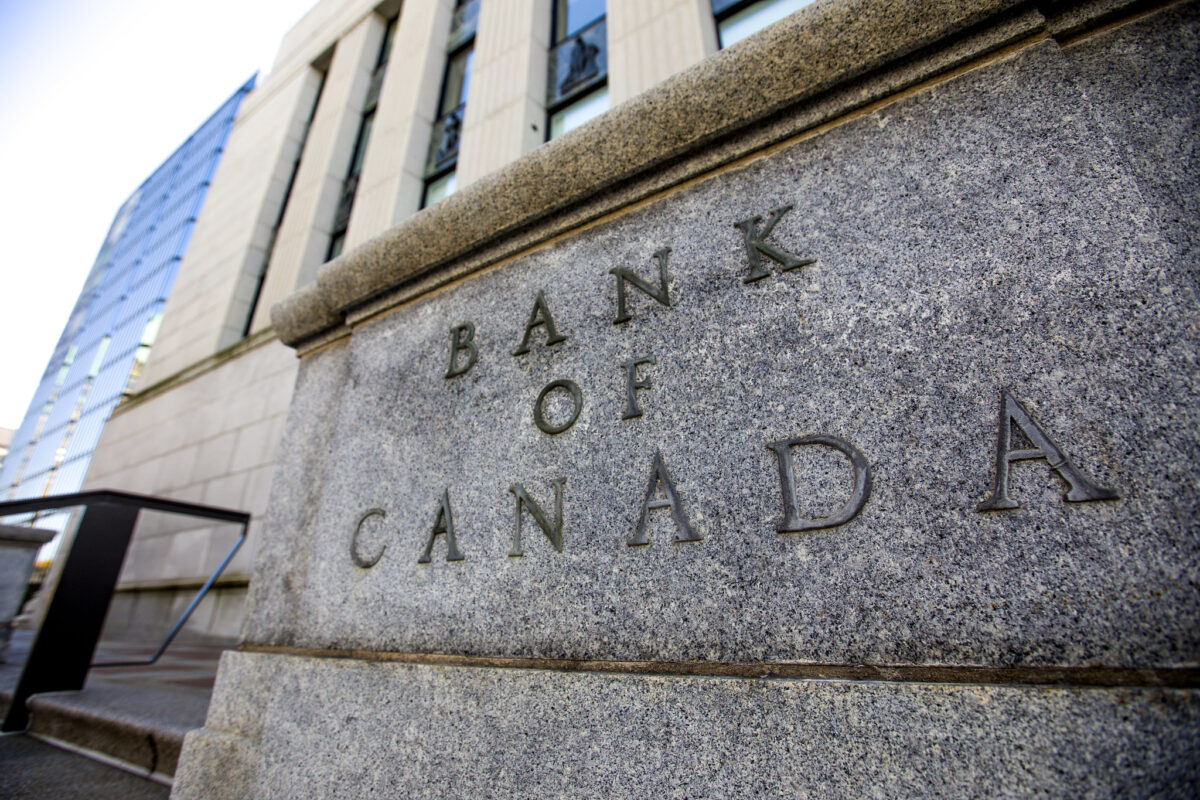
Credit: Bank of Canada
The decision comes as the Middle East conflict enters its fourth month, lifting energy prices and disrupting supply chains.
At home, Canada’s economy has been softer than expected, with first-quarter GDP down 0.1%. Inflation, meanwhile, rose to 2.8% in April.
Governing Council said it is watching the oil-driven price pressure closely, while staying ready to act if inflation risks become more lasting through this unsettled global period.
Here are the highlights of the announcement:
- Globally, the picture is uneven. The United States continues to show solid growth, helped by consumer spending and AI-related investment. The euro area is weaker as energy costs weigh on activity. China is still being supported by strong exports, even as global supply disruptions add pressure.
- Canadian financial conditions have eased since the April Monetary Policy Report. Equity markets have been buoyant, bond yields remain volatile, and the Canadian dollar has weakened against the US dollar and other currencies. Those shifts matter because they affect borrowing costs, investment and import prices.
- Canada’s economy disappointed in the first quarter. GDP edged down 0.1%, consumer spending rose 1.4%, and government spending fell unexpectedly. Housing activity declined, business investment stayed weak, exports dropped, and imports rose strongly as inventories were rebuilt.
- The labour market is moving sideways. Employment rose in May, but the Bank said the broader trend has changed little since the start of the year. The unemployment rate remains in the 6.5% to 7% range, with the latest reading at 6.6% in May.
- Inflation remains the main risk. CPI inflation reached 2.8% in April, driven by higher oil prices and the carbon tax change falling out of the yearly comparison. Core inflation is near 2%, food inflation has eased but remains high, and shelter inflation continues to slow.
Governing Council said it is looking through the war’s short-term impact on headline inflation, but it does not want higher energy prices to become persistent. With oil about $10 a barrel above April assumptions, inflation is expected to hover near 3% before easing toward 2%.
The next scheduled date for announcing the overnight rate target is July 15, 2026.