Regina
The Bank of Canada is holding its benchmark interest rate steady as it navigates a mix of global tensions and domestic economic pressures.
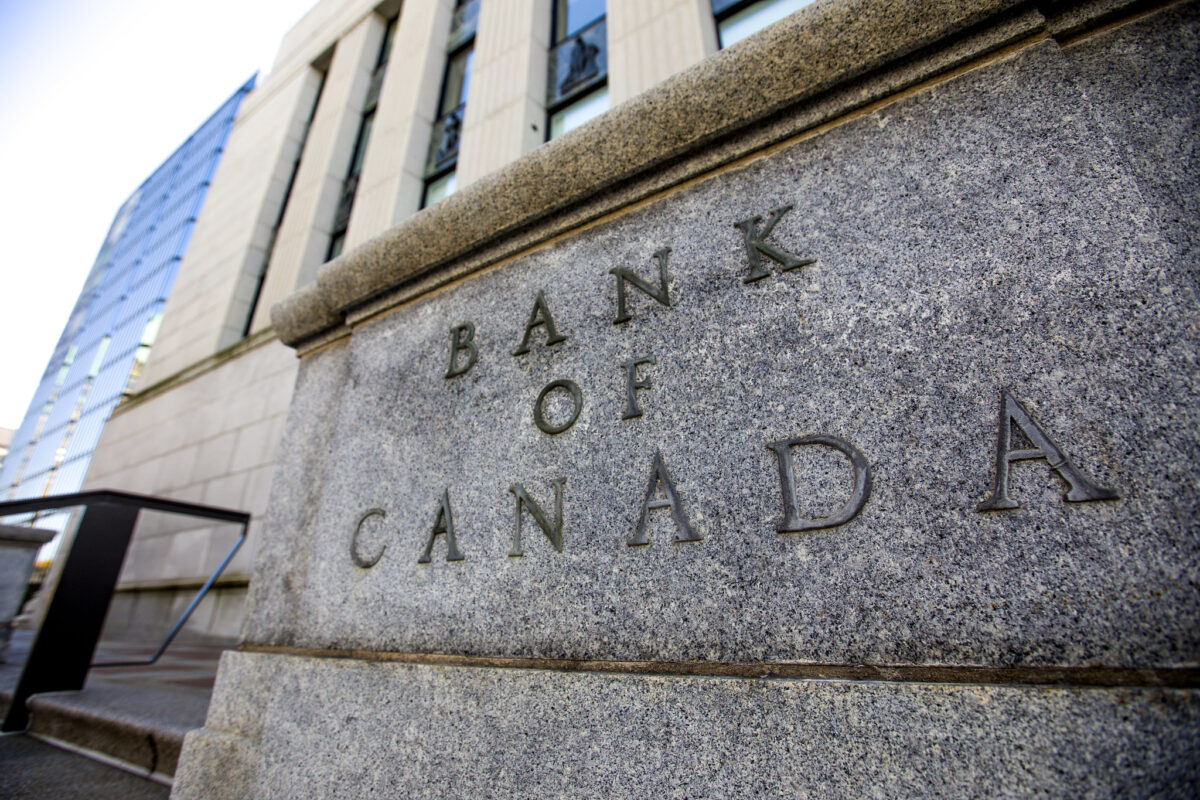
Credit: Bank of Canada
The central bank kept its overnight rate at 2.25%, alongside a Bank Rate of 2.5% and a deposit rate of 2.20%. The decision reflects a cautious stance as uncertainty tied to the Middle East conflict and shifting US trade policy continues to shape the economic outlook.
Rising energy prices, driven by the Iran war, are feeding into higher global inflation and disrupting transportation. While this is weighing on growth in oil-importing countries, the United States is still expected to see solid expansion, supported by consumer spending and investment linked to artificial intelligence. China’s exports remain strong, while Europe faces slower activity due to elevated energy costs.
In Canada, the picture is more subdued. The economy, which contracted late last year, appears to have returned to growth in early 2026. Consumer and government spending are helping, but exports and business investment are being held back by tariffs and trade uncertainty. Housing activity has slowed, and the labour market remains soft, with unemployment between 6.5% and 7%.
Inflation has edged higher, reaching 2.4% in March, largely due to gasoline prices. It could rise to around 3% in the near term before easing back to the Bank’s 2% target next year, assuming oil prices stabilize.
For now, policymakers are staying put but remain alert. The Bank says it is watching closely to ensure temporary price pressures do not become entrenched, with its next rate decision set for June 10, 2026.