Toronto
Events Description
Divided into three seemingly disparate but thematically related vignettes, the works in this exhibition veer through these three research paths of interest: an aphorism by Franz Kafka, a 1930s medical journal, and King Camp Gillette of disposable razor fame.
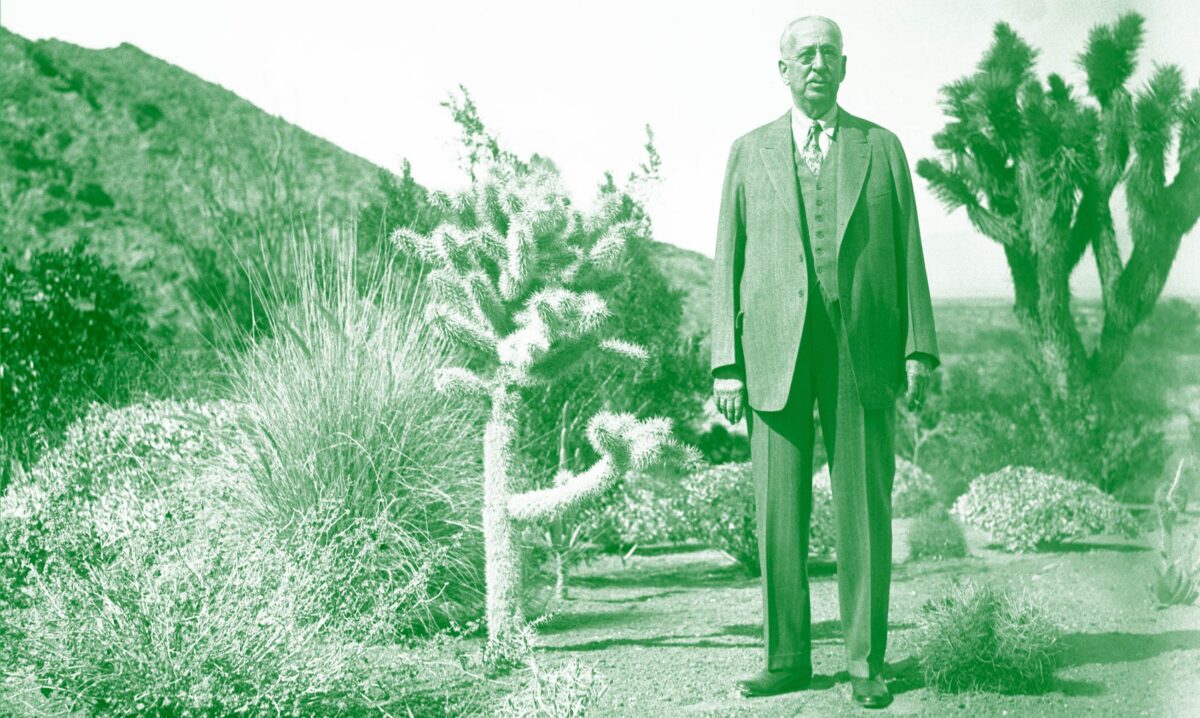
Kafka’s aphorism about leopards breaking into a temple articulates how culture is produced and reproduced through repetition, and the potential for change to occur when rituals are repeated. The French medical journal, Ridendo, which was published between 1933 and 1977, took its name from the Latin phrase “castigat ridendo mores”, meaning “one corrects customs by laughing at them”, or “he corrects customs by ridicule”, pointing to the possibility that humour and satire might have the potential to change societal mores. The American businessman King Camp Gillette, credited with inventing the disposable razor blade in the early twentieth century and along with it the highly capitalist profit-oriented “razor and blade” business model, also designed – prior to his business ventures – a never-realized moneyless, car-less socialist utopia, which was to be located near and powered by Niagara Falls. The works in the exhibition reflect on these contradictions, and the failed calls for social change in Gillette’s utopian writings.
Who is it for?
All ages
HOW MUCH
Tickets : Free
Free
How to get tickets?
At the door: Free, not required
WHEN & WHERE
Date: Thursday February 26, 2026 to Saturday April 11, 2026
Susan Hobbs Gallery is open to the public Wednesday to Saturday from 11:00 a.m. to 6:00 p.m. and by appointment.
Venue & Address
Susan Hobbs Gallery, 137 Tecumseth Street, Toronto, M6J2H2
Wheelchair accessible
Street Parking
Accessible by Public Transport