 Ottawa
Canada’s Department of National Defence will run urban trials to evaluate how well technologies can detect small drones in Ottawa’s core, under the Innovation for Defence Excellence and Security (IDEaS) program.
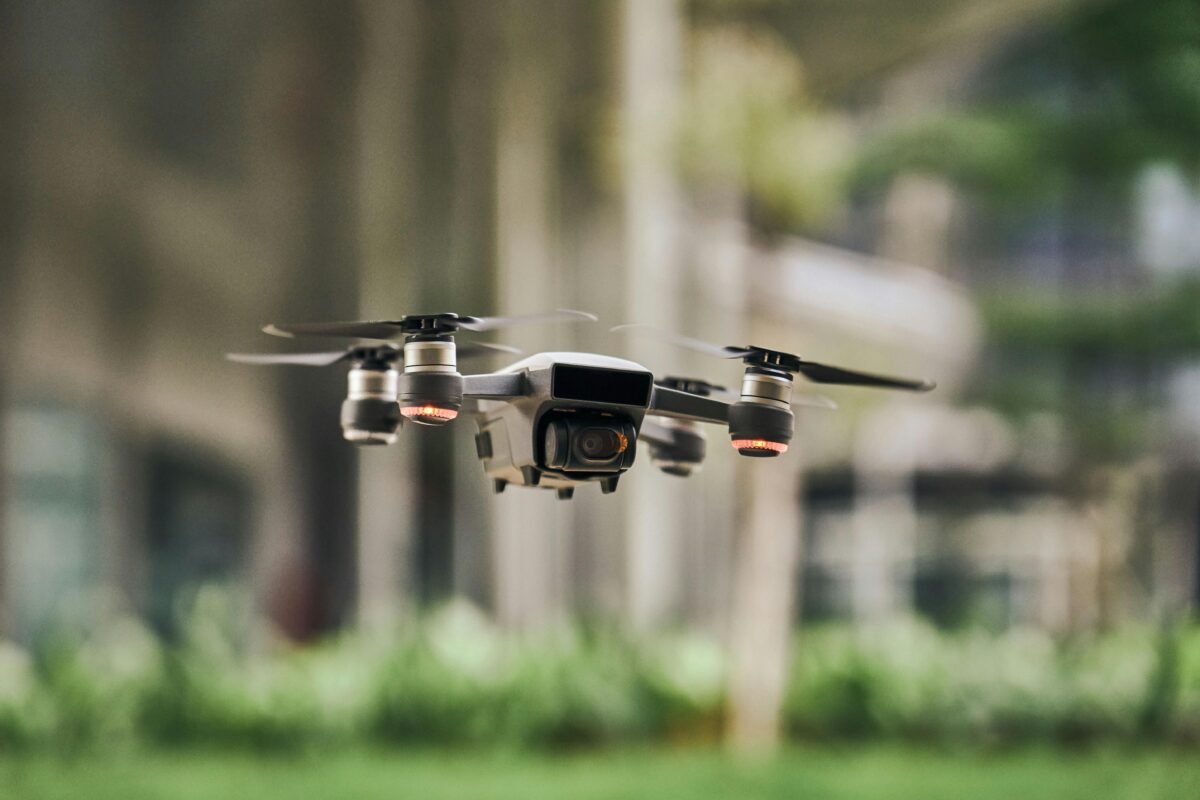
The detect‑only exercises are scheduled near Parliament Hill from November 24–28, 2025. Systems will be positioned at street level, on mid‑ and high‑rise balconies, and on rooftops around Kent, Queen, Sparks and Wellington streets. Testing will occur in daylight and on one weeknight.
Officials say the public will not be directly affected, the night activity will not disrupt residents, and access is closed to the media and the public. The aircraft are registered and Transport Canada compliant, and drone destruction is not permitted.
Defence science experts and innovators will work alongside Canadian Armed Forces personnel, police, and allied partners to gauge performance in a dense city setting. The event is organized with the City of Ottawa, the Ottawa Police Service, Transport Canada, and others.
IDEaS has selected innovators for the 2025 CUAS Sandbox (Urban) and will host up to 16 companies concurrently, providing up to five days per company, a “red team” of assorted drone targets, and on‑site interaction with CAF and RCMP end‑users and the U.S. Irregular Warfare Technical Support Directorate (IWTSD). Participants may receive up to $20,000 in funding per company, with $1.75 million in prizes available.
Trials focus on detecting micro drones (under 2 kg, up to 200 ft AGL, about 5 km LOS) and mini drones (2–15 kg, up to 3,000 ft AGL, about 25 km LOS), with speeds up to 200 kph. Both active and passive detection methods are of interest, including capabilities to track swarms, fast FPV platforms, and recognizing tethered systems with fibre‑optic lines up to 30 km.


