 Winnipeg
Heart & Stroke has released updated Canadian Guidelines for Cardiopulmonary Resuscitation (CPR) and Emergency Cardiovascular Care (ECC), emphasizing the importance of providing rescue breaths for children and infants during CPR.
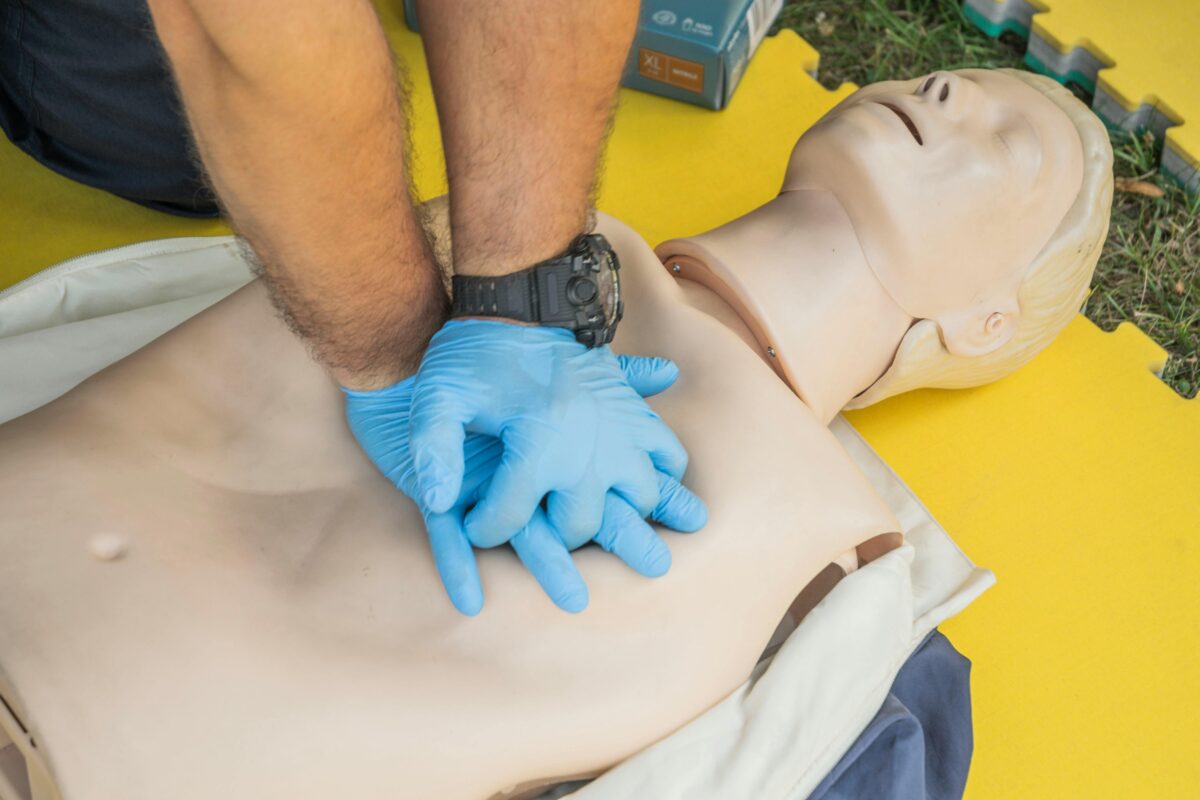
The five-year update highlights that lay responders should include ventilations when performing CPR on younger patients or in cases involving breathing-related cardiac arrest, such as drowning, choking, or opioid-associated emergencies.
Every year, about 60,000 out-of-hospital cardiac arrests occur in Canada, roughly one every nine minutes, and fewer than one in 10 people survive. Performing CPR and using an automated external defibrillator (AED) can double survival rates, according to Heart & Stroke.
“Children are not just small adults,” said Dr. Farhan Bhanji, Professor of Paediatrics at McGill University and contributor to the new guidelines through Heart & Stroke and the International Liaison Committee on Resuscitation (ILCOR). “Pediatric cardiac arrests often stem from respiratory issues, making oxygen delivery through breaths essential to improving outcomes.”
For adults, chest-compression-only CPR remains effective, and all witnesses to a cardiac arrest are advised to call 9-1-1, start CPR immediately, and use an AED as soon as possible.
Other changes in the updated guidelines include 9-1-1 operators providing instructions for rescue breaths in pediatric emergencies, encouraging CPR training before age 12, and exploring gamified learning to improve engagement. The update also reinforces public access to naloxone and recognizes the emotional impact of cardiac arrest, noting that about one in four survivors and caregivers experience distress.
Heart & Stroke, a founding member of ILCOR, said the updated guidelines form the foundation for resuscitation training programs across Canada.


