Toronto
Ontario is considering a shift in how its High Occupancy Vehicle (HOV) lanes are used, one that could open them up to more drivers outside of rush hour.
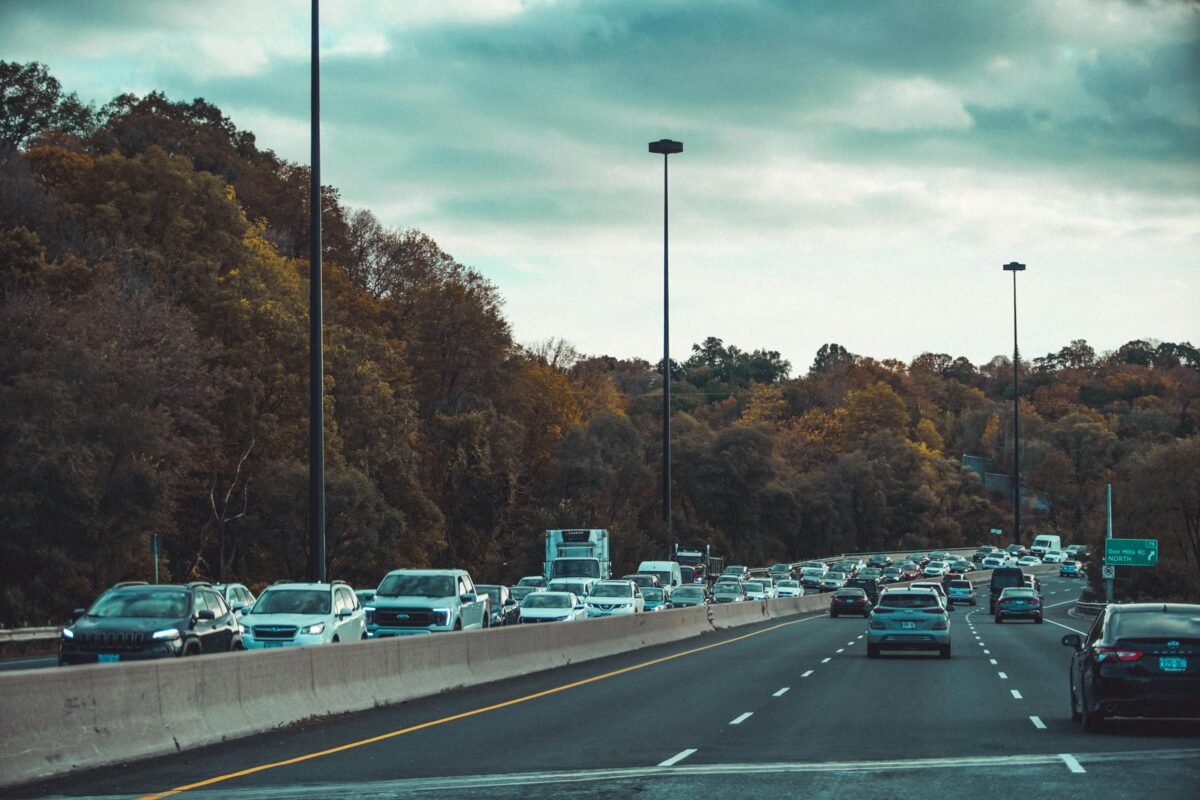
The provincial government has proposed changes to the Highway Traffic Act that would allow single-occupant vehicles to enter HOV lanes during designated off-peak periods. Right now, those lanes are limited to vehicles carrying at least two people, along with buses, taxis, motorcycles, and certain other permitted vehicles.
Transportation Minister Prabmeet Sarkaria framed the proposal as a response to mounting congestion. He pointed to the economic and personal toll of gridlock, saying the change could help drivers reclaim time otherwise lost in traffic.
According to Ministry of Transportation modelling, the adjustment wouldn’t just benefit solo drivers. The data suggests average speeds could improve across both HOV and general-purpose lanes during quieter hours.
The province hasn’t finalized when those off-peak windows would apply. Officials say they’ll rely on traffic data and public consultation before setting the hours, with a clear condition: the busiest weekday commutes will remain off-limits.
There are some limits baked into the proposal. Commercial vehicles longer than 6.5 metres would still be excluded. Meanwhile, existing rules would stay in place during peak times.
The move comes as Ontario’s highway network continues to evolve. The province currently has 237 kilometres of HOV lanes, with another 146 kilometres in development. At the same time, single-occupant vehicles continue to dominate — accounting for 72 per cent of highway traffic in 2022.
If approved, the change is expected to roll out before the end of 2026.