 Toronto
Ontario is keeping a popular transit perk around a little longer, giving riders continued relief from paying twice when switching between major systems in the Greater Toronto and Hamilton Area.
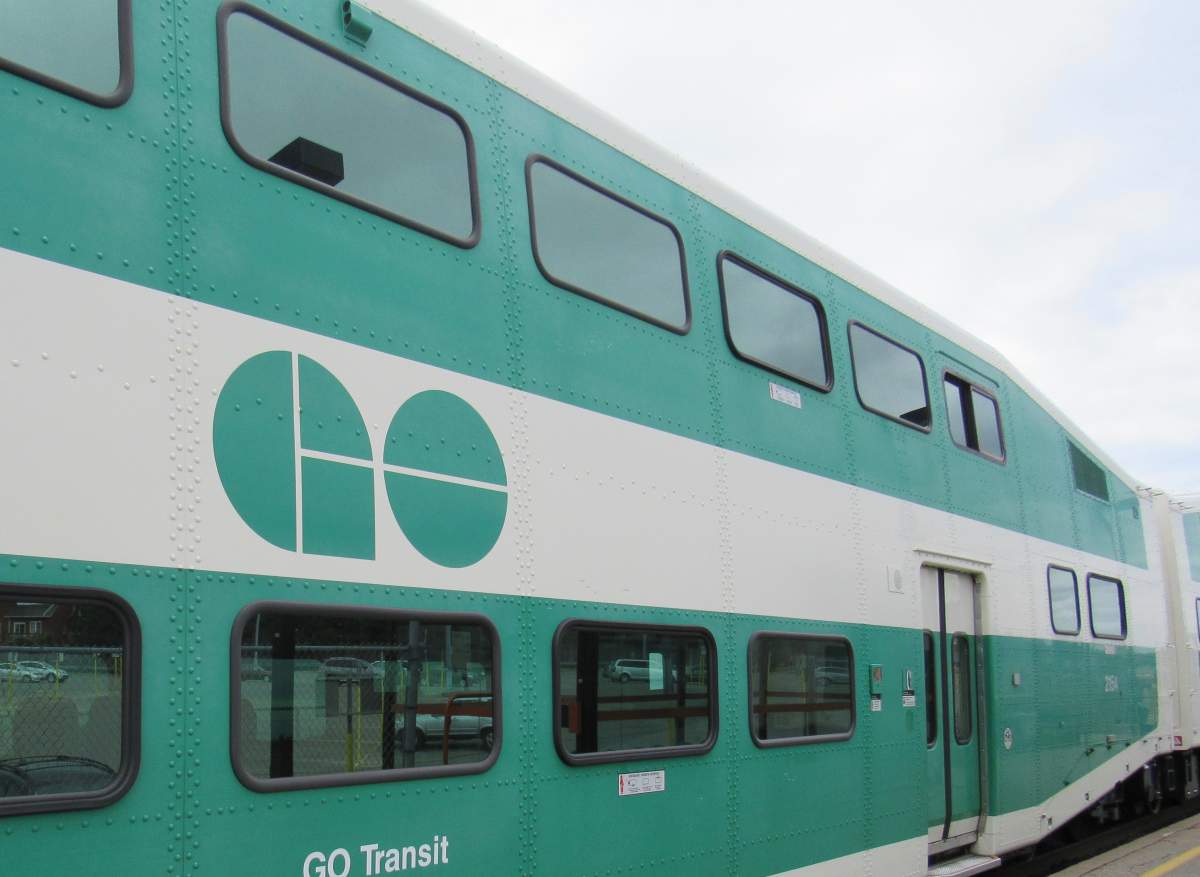
The province says the decision builds on strong uptake from commuters who’ve been embracing simpler, cheaper transfers since the One Fare program began.
Transportation Minister Prabmeet Sarkaria said the move reflects the government’s effort to ease daily costs for residents, noting that the program has already “saved commuters up to $1,600 each year.” He credited Premier Doug Ford’s leadership and framed the extension as support for Ontarians facing economic pressures.
Since its launch in 2024, One Fare has eliminated nearly $200 million in duplicate fares and logged close to 62 million free transfers across the TTC, GO Transit, Brampton Transit, Durham Region Transit, MiWay, Peel TransHelp and York Region Transit. Riders pay just once as long as they tap on and off with the same PRESTO card (physical or digital), or the same debit or credit card. Transfers last two hours for trips beginning on local transit and three hours for trips starting on GO.
Officials say the program has helped create a more seamless travel experience across a region where riders often rely on multiple systems for a single commute. It also aligns with the province’s broader plan to build a more connected network.
Ontario is in the midst of a $70 billion transit expansion, which the government says is the largest in North America. That includes major undertakings such as the Ontario Line, the Yonge North Subway Extension, the Scarborough Subway Extension, the Eglinton Crosstown West Extension, the Finch West LRT, the Hamilton LRT and the Hazel McCallion Line. Through GO Expansion, the province is also working toward two-way, all-day service on the busiest GO rail routes.
The extension keeps One Fare in place for another two years, maintaining a program that officials argue is reducing costs while nudging the region closer to a fully integrated transit system.


