 Regina
Saskatchewan is expanding the circumstances under which a legal name change can be denied, introducing new restrictions aimed at keeping individuals convicted of severe offences from obscuring their identities.
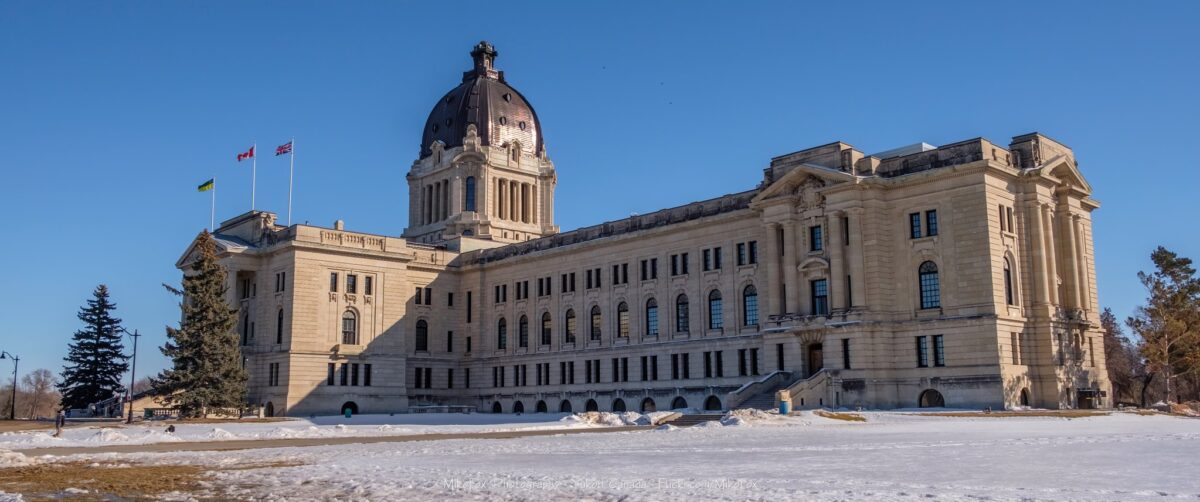
Credit: MikoFox/Flickr/ CC BY-NC-SA 2.0
The changes, set out in The Change of Name Amendment Regulations, 2025, add several Criminal Code and Controlled Drugs and Substances Act offences to the list of convictions that can disqualify an applicant.
Under the amended rules, anyone convicted of murder, fraud, or designated Schedule I drug offences under sections 5, 6, 7 or 7.1 of federal legislation may be refused a name change. The restrictions also apply to individuals designated as dangerous, long-term, or high-risk offenders.
A certified criminal record check with fingerprinting will now be mandatory for all applications.
Health Minister Jeremy Cockrill said the measures are intended to protect victims and prevent offenders from distancing themselves from past crimes. He noted that police consultations showed broad agreement that those convicted of serious offences should not be able to conceal their identity through a legal name change.
Corrections, Policing and Public Safety Minister Tim McLeod, K.C., said the expanded list ensures continued accountability, adding that maintaining visibility to law enforcement and the public supports the justice system’s transparency.
Saskatchewan receives approximately 1,000 legal name change applications each year.


