 Winnipeg
Many of Manitoba’s most interesting museums are not open year-round. Across the province, especially in smaller towns and rural areas, museums often operate only between May and September. These seasonal sites include historic homes, open-air villages, and community-run museums that rely on warmer weather and tourism.
Credit: Travel Manitoba
What makes them worth visiting is the experience they offer. Unlike larger institutions, these places feel more personal and immersive.
You are often walking through preserved buildings, speaking with knowledgeable guides, and experiencing history in the very places where it happened. Summer is when these museums are fully open, with all exhibits accessible and programs running. If you want to explore Manitoba beyond the usual attractions, this is the best time to do it.
Note: This article only lists seasonal museums, which are open between Victoria Day weekend and Thanksgiving.
Winnipeg & Nearby
Riel House National Historic Site
This historic home, open during the summer months, offers an in-depth look at the life of Louis Riel and the Métis community of the Red River region. The house has been carefully preserved and furnished to reflect how people lived in the late 1800s. Visitors can move through the rooms while learning about Riel’s role in Manitoba’s history and the daily life of his family.
During the summer, interpreters often provide demonstrations and share stories that make the experience more engaging. The site is quiet and understated, but it carries significant historical weight. It is best approached as a place of reflection rather than a large, exhibit-heavy museum. Details
Where: 330 River Rd, Winnipeg; 204-785-6050
Seven Oaks House Museum
Seven Oaks House is one of the oldest surviving buildings in Manitoba and provides a clear window into life during the Red River Settlement period. The home is open seasonally and is arranged with period furnishings that show how early settlers lived and worked. Guided tours help explain how families adapted to the prairie environment and how the settlement developed over time.
Its location along the Red River adds important context, as waterways were essential for travel and trade. It is a good stop if you want to understand the foundations of Winnipeg’s early history. Details
Where: 50 Mac St, Winnipeg; 204-339-7429
When: May Long Weekend to Labour Day
Ross House Museum
Ross House Museum is another important historic home that is open mainly during the summer months. Built in 1854, it is one of the oldest buildings in Winnipeg and once served as the city’s first post office. The museum presents daily life in the Red River Settlement through carefully restored rooms and artifacts. It is located in Joe Zuken Heritage Park, where it has been relocated and preserved for visitors.
During the summer, staff and volunteers provide interpretation that helps bring the history to life. While it is a smaller site, it plays an important role in understanding how Winnipeg developed. It is best visited alongside other nearby historic homes for a fuller picture of the area’s past. Details
Where: 140 Meade St N, Winnipeg; 204-942-5396
When: June to the end of August
Grant’s Old Mill
Grant’s Old Mill is a working replica of the first water-powered grist mill in western Canada, originally built by Cuthbert Grant. It highlights early milling practices and the contributions of the Métis community to Manitoba’s history.
Each year, on the second Saturday in July, the site hosts Cuthbert Grant Day, featuring flour milling demonstrations, food, music, and displays that celebrate his legacy and Métis heritage. Details
Where: 2777 Portage Ave., Winnipeg; 204-253-4904
When: May long weekend to September long weekend
View this post on Instagram
Fort Gibraltar
Fort Gibraltar is a reconstructed 19th-century fur trade post that brings the era of voyageurs and the North West Company to life through immersive interpretation. Visitors can experience costumed interpreters demonstrating daily life—such as cooking, blacksmithing, trading, and canoe culture. Outdoor spaces, including the courtyard and riverside setting, are fully accessible, and group programs and guided tours operate regularly. In winter, the fort is largely inactive except for select events, with limited access to the full site. Details
Where: 866 Rue St Joseph, Winnipeg; 204-999-0844
When: May long weekend to September long weekend
St. Andrews Rectory National Historic Site
Located just north of Winnipeg, this mid-19th-century stone rectory offers insight into early religious and community life. The building once housed Anglican clergy and played an important role in education and settlement in the Red River colony. Inside, exhibits explain how the church influenced daily life and community development.
The structure itself is well preserved, with simple interiors that reflect the lifestyle of the time. The grounds surrounding the rectory are scenic and provide a peaceful setting for a visit. It is not a large museum, but it offers a focused and meaningful historical experience. Details
Where: 374 River Rd, St. Andrews; 204-339-6396
When: usually May through September
Cooks Creek Heritage Museum
Cooks Creek Heritage Museum is located in one of the oldest Galician (Eastern European) settlements in western Canada. Housed in a 1937 former rectory, the site includes seven historic buildings such as a barn, blacksmith shop, pioneer homes, chapel, and candle house, showcasing the lives of early Slavic settlers.
The museum preserves artifacts brought by immigrants from Eastern Poland, Western Ukraine, and surrounding regions, including religious items, traditional clothing, and everyday tools. Established in 1968 by Father Alois Krivanek, it highlights the hardships and heritage of these pioneer communities. Details
Where: 68148 MB-212, Cooks Creek; 204-444-4448
3 miles east of Bird’s Hill Park at corner of Sapton Road and Hwy #212 in the Cooks Creek Historic District
When: mid-May to Heritage Day
Mennonite Heritage Village
Credit Enviro Foto
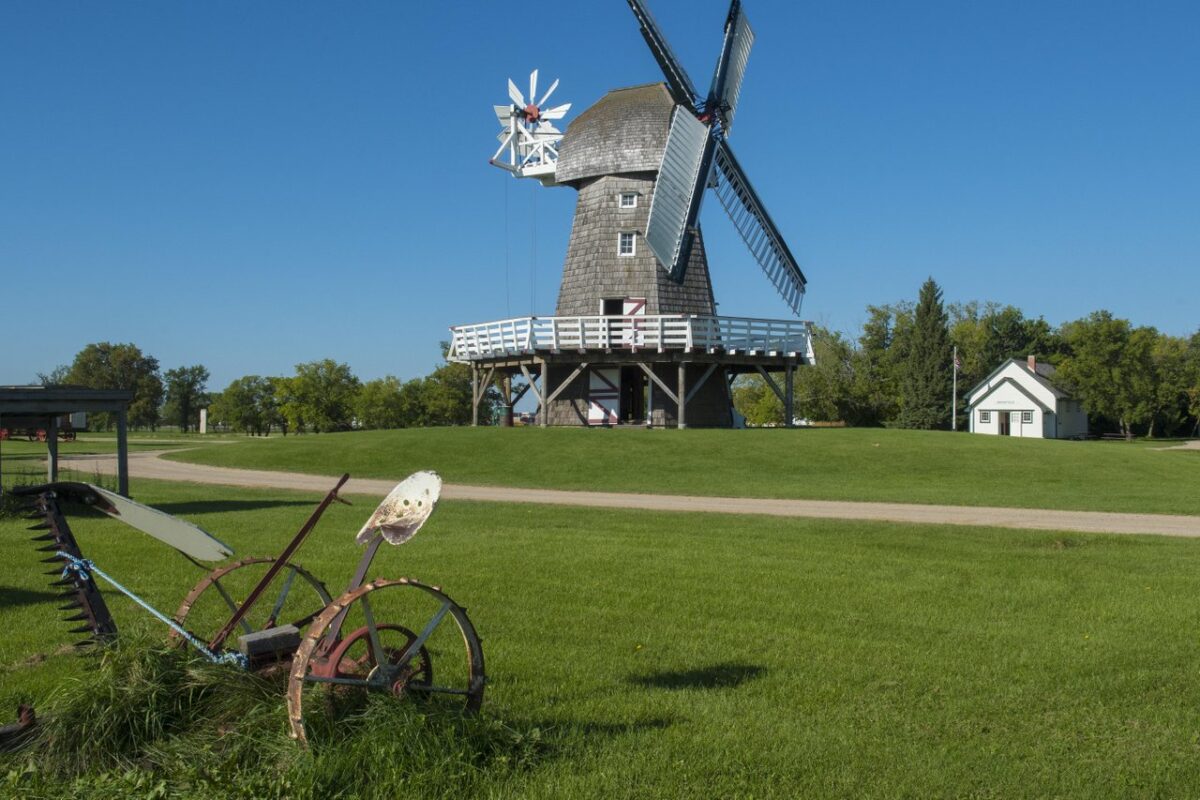
Mennonite Heritage Village is one of Manitoba’s largest open-air museums, recreating 19th-century Mennonite life through historic buildings, farmsteads, and exhibits. The experience is most complete during the warmer months, when the village is fully active. Costumed interpreters demonstrate traditional farming, baking, and crafts, gardens are in bloom, and heritage buildings are open for exploration. Visitors can see working windmills, livestock, and seasonal activities that reflect daily life in the past. Seasonal events like Pioneer Days bring added energy, with food, music, and live demonstrations. Details
Where: 231 Provincial Trunk Hwy 12, Steinbach; 204-326-9661
When: Open year-round, but more active during the summer
Interlake Region
Marine Museum of Manitoba
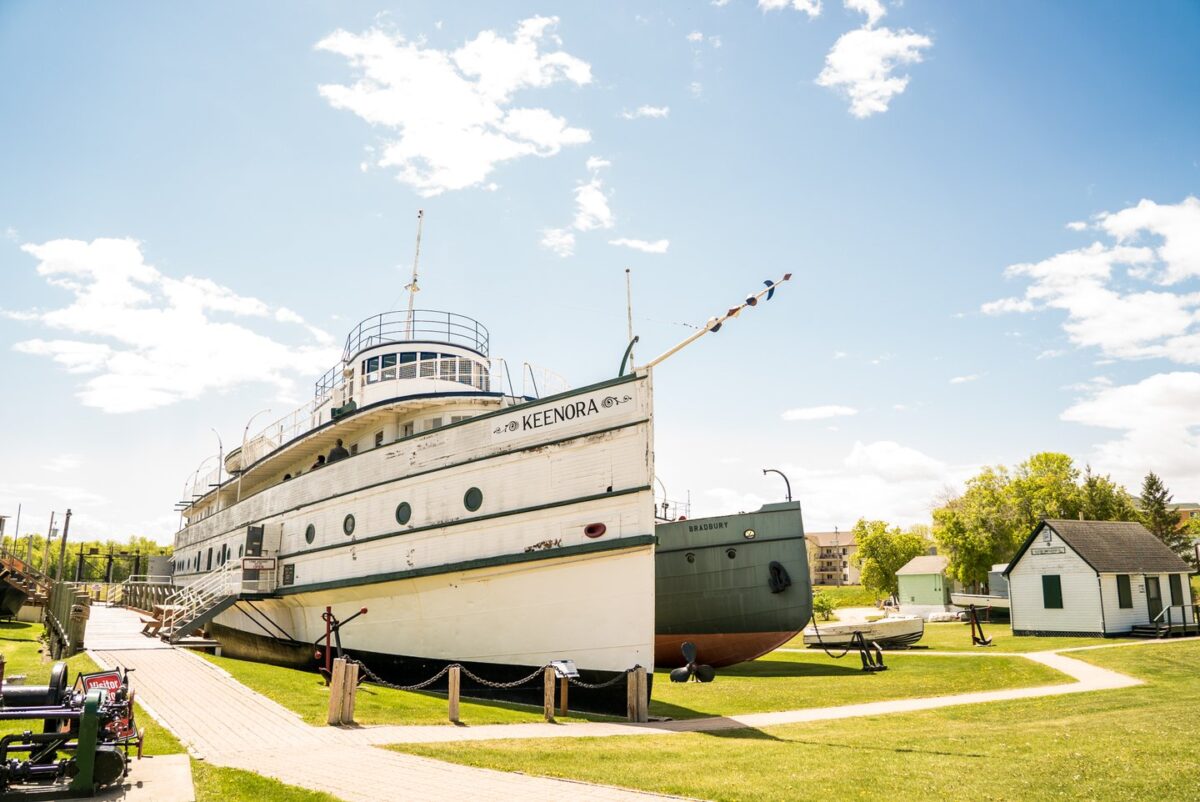
The Marine Museum of Manitoba is one of the most unique museum experiences in the province and is open primarily during the summer. Instead of traditional indoor exhibits, visitors can board several historic ships and explore them firsthand. Each vessel tells a different story about transportation, fishing, and industry on Lake Winnipeg. Walking through these ships gives a much clearer sense of how people worked and lived on the water.
The museum’s location along the river enhances the experience and makes it feel authentic. It is especially enjoyable for families and anyone who prefers interactive exhibits. Details
Where: 490 Eveline St, Selkirk; 204-482-7761
When: usually mid-May through early September
Dunnottar Station Museum
Built around 1903 as a temporary Canadian Pacific Railway station, this restored building now houses a small collection of railway artifacts and local memorabilia. The exhibits highlight the role of rail travel in shaping communities along Lake Winnipeg. Though small, it offers a focused look at regional railway history and makes for a worthwhile stop in the Interlake. Details
Where: 27 Central Avenue, Dunnottar; 204-389-4962
When: June to September
Gimli Glider Museum
Credit: Handcraft
Courtesy of Travel Manitoba
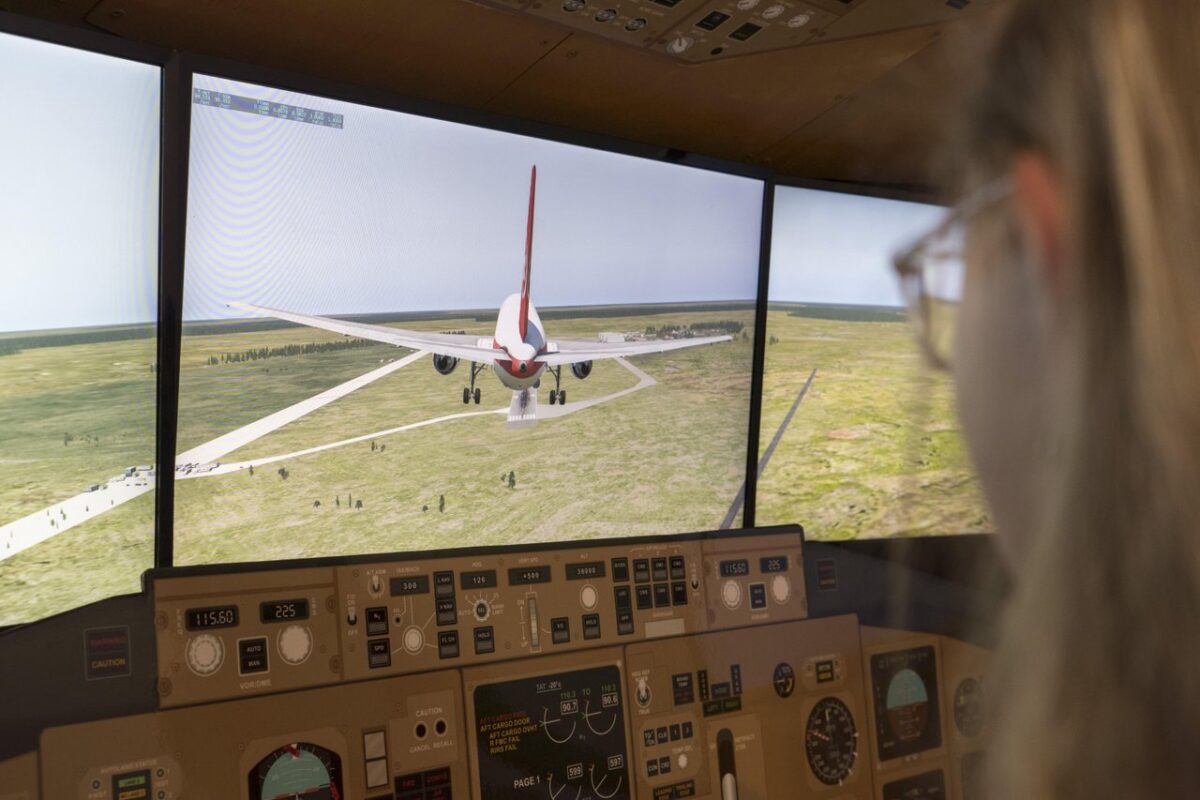
This small but memorable museum focuses on the famous 1983 Air Canada emergency landing known as the “Gimli Glider.” The exhibits include photographs, artifacts, and detailed explanations of how the incident unfolded. Visitors can learn about the technical challenges and the decisions that led to a successful landing. A cockpit simulator adds an interactive element to the visit.
Although the museum is compact, the story it tells is compelling and unique. It is best visited in summer when Gimli is active and the museum is open. Details
Where: 44 Victory Lane, Gimli; 204-642-5577
When: usually May through September
Arborg & District Multicultural Heritage Village
This outdoor museum highlights the diverse communities that settled in the Interlake region. The site includes historic buildings that represent Icelandic, Ukrainian, and other cultural groups. Visitors can walk through the village and explore how people lived, worked, and built their communities.
The museum has a quiet, authentic feel and is not heavily commercialized. Summer is the best time to visit, as all buildings are open and accessible. It offers a meaningful look at Manitoba’s multicultural history. Details
Where: Hwy 68, Arborg; 204-376-5607
When: usually mid-May through early September
Central Plains & Parkland Region
Minnedosa District Museum & Heritage Village
Minnedosa District Museum & Heritage Village is a pioneer village with 11 restored buildings furnished with period artifacts. It includes features such as a water wheel, windmill, and trout pond that reflect early community life. The site preserves historic homes, a schoolhouse, a church, a blacksmith shop, and agricultural structures, including a rare octagon-shaped display building. Many buildings have been relocated and restored, offering a clear view of rural life, local history, and early development in the Minnedosa area. The Village is available for tours by appointment year-round. Details
Where: 100 Heritage Park Cres, Minnedosa; 204-867-3542
When: July 1st until Labour Day
Beautiful Plains Museum
Beautiful Plains Museum in Neepawa was established in 1976 and was originally located in the Viscount School. In 1981, it was moved to its current home in the historic 1902 CNR railway station. The museum spans three floors and features exhibits such as a general store, medical hall, log cabin, and chapel, highlighting early community life. It serves as a tribute to the resilience and contributions of the region’s early settlers. Details
Where: 91 Hamilton St, Neepawa; 204-476-3896
When: June 1st to September long weekend
Credit: Travel Manitoba
Fort La Reine Museum
Fort La Reine Museum recreates a pioneer village with a collection of historic buildings. Visitors can walk through homes, churches, and trading posts, each representing a different period. The layout allows you to explore at your own pace while learning about early life in the region. Summer is the best time to visit, when all buildings are open.
The site is large enough to spend a few hours without feeling rushed. It is one of the most immersive heritage museums in Manitoba. Details
Where: 2652 Saskatchewan Ave E, Portage la Prairie; 204-857-3259
When: usually mid-May through September
Lac du Bonnet District Museum
This small seasonal museum focuses on the history of Lac du Bonnet and the surrounding area. Exhibits include artifacts from early settlement, river transportation, and everyday life in the community. The museum is run with strong local involvement, which gives it a personal and authentic feel. Visitors can learn about how the area developed and how the river shaped local industry and recreation.
It is not a large museum, but it provides a clear and engaging snapshot of the region’s past. Details
Where: 95 McArthur Ave, Lac du Bonnet; 204-340-3411
When: usually May Long Weekend to September
Pembina Valley & Southern Region
Manitoba World War One Museum
Manitoba World War I Museum & Archives Library is a non-profit museum near La Riviere dedicated to preserving the memory of Manitobans who served in the First World War (1914–1918). The site features a recreated trench system, along with exhibits and archival materials that illustrate wartime conditions and Visitors can explore the museum through self-guided visits or guided tours, including step-on guide services. Each year, on the second Sunday in August, the museum hosts “A Day in the Trenches,” where living history interpreters demonstrate what life was like during the war, alongside displays from collectors and other institutions. Details
Where: 57130 16N Road, Louise Municipality, Pilot Mound; 204-825-2961
When: June 1st to September long weekend
Pembina Threshermen’s Museum
This museum focuses on early agricultural life in southern Manitoba and is open mainly during the warmer months. The site features vintage farm equipment, historic buildings, and displays that show how farming practices have evolved over time. During summer events, visitors can see machinery in operation, which adds a practical dimension to the experience.
The museum has a strong community feel, with many exhibits contributed by local residents. It is best visited during one of its seasonal events when the site is most active. Details
Where: Hwy 3, Morden; 204-325-7497
When: usually mid-May through September
Irvin Goodon International Wildlife Museum
Irvin Goodon International Wildlife Museum (Boissevain) features three main attractions under one roof: a wildlife museum, the Moncur Gallery, and a model railway exhibit. The wildlife section includes large-scale animal displays and interactive exhibits, while the Moncur Gallery showcases Indigenous artifacts and archaeological finds.
The site also includes a model railway (guided tours), along with free-access areas such as an artisan gallery, gift shop, and visitor information centre. It offers a mix of natural history, local culture, and interactive displays in a single visit. Details
Where: 298 Mountain Street, Boissevain; 204-534-6662
When: May Long weekend – September Long weekend
Westman Region (Brandon & Western Manitoba)
Manitoba Agricultural Museum
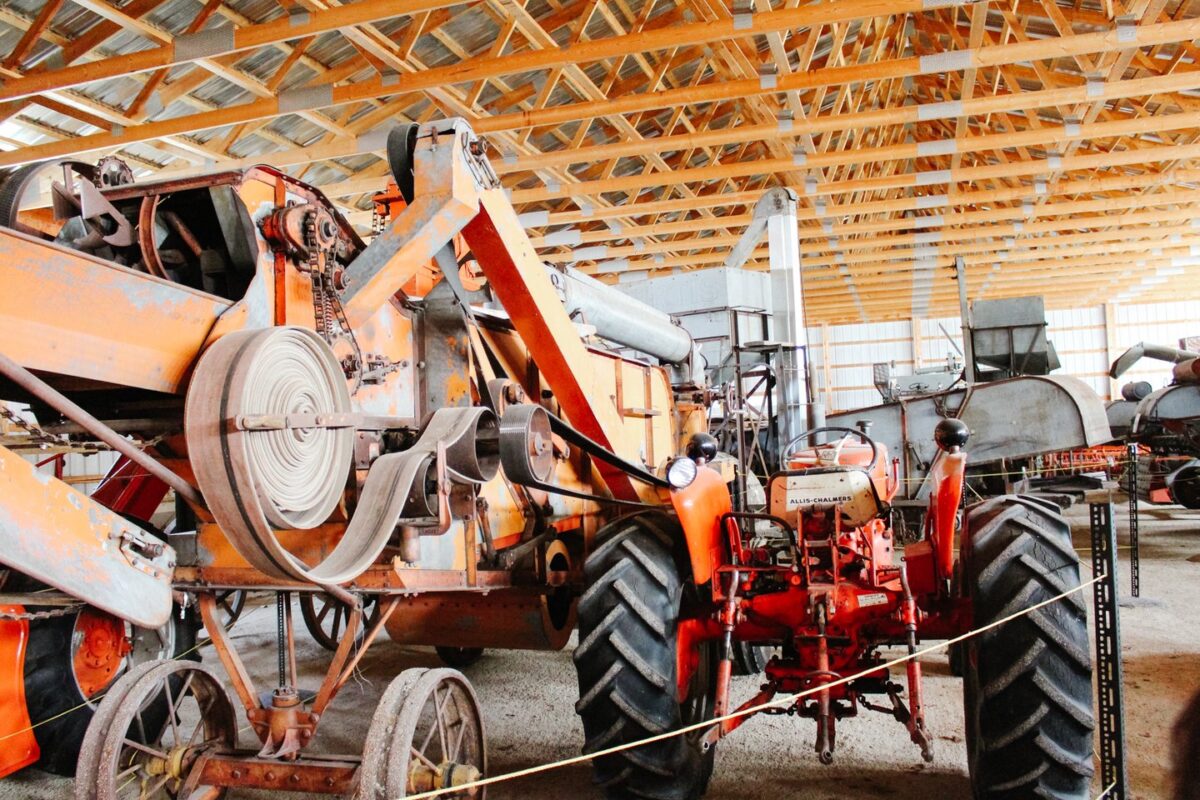
The Manitoba Agricultural Museum is one of the largest open-air heritage sites in the province, offering a detailed look at prairie farming life and rural communities. Spread across a wide area, the museum features historic buildings, vintage farm machinery, and exhibits that reflect how agriculture shaped Manitoba’s development. Walking through the site, visitors can explore everything from early homesteads to large-scale farming equipment, gaining a clear sense of how work and daily life evolved.
While the museum can be visited outside peak months, it is best experienced in summer when the site is fully open and active. During this time, buildings are accessible, exhibits are staffed, and demonstrations help bring the machinery and history to life. The highlight of the season is the Threshermen’s Reunion & Stampede, when vintage equipment is actually operated, offering a rare chance to see historical farming practices in action. Seasonal programming and guided interpretation also make the experience more engaging and informative. Details
Where: 67 PTH 34, Austin; 204-637-2354
When: Open year-round, but more active during the summer
View this post on Instagram
Carberry Plains Museum
Carberry Plains Museum presents the history of the region from early settlement to the present day. Its exhibits highlight memorabilia from notable figures such as Wop May, Tommy Douglas, Ernest Thompson Seton, and Stanley Knowles, along with a collection of Criddle paintings. The museum is housed in a former sash and door factory built by James White, later used as a machine shop before being converted into a museum in 1976.
Visitors can also explore Carberry’s heritage home, the Gingerbread House, as part of the experience. Built around 1900, it features Queen Anne Revival architecture and reflects the Ontario background of its builder, contractor James White. Details
Where: 520 4th Avenue, Carberry; 204-834-6609
When: July – August; By appointment in June and September
Virden Pioneer Home Museum
Virden Pioneer Home Museum is housed in a large brick-veneer home built in 1888 for merchant James Findlay Frame. Furnished in Victorian style, it recreates the atmosphere and daily life of an established family in the early Canadian West.
The museum holds over 11,000 artifacts and is one of the most comprehensive rural collections in Manitoba. Exhibits include First World War items, a folk-art gallery, and displays in annex buildings such as a post office, general store, and schoolhouse. Designated a municipal heritage site in 1991, the museum offers insight into local pioneer history. Details
Where: 390 King St W, Virden; 204-748-1659
When: May to the end of August
Commonwealth Air Training Plan Museum
Visitors can walk through the hangar and get close to aircraft that were once used for training. The exhibits are well organized and accessible, even for those without a background in aviation. It is one of the most engaging aviation museums in Western Canada. Details
Where: 300 Commonwealth Way, Brandon; 204-727-2444
When: usually May through September
Parkland & Northern Edge
Fort Dauphin Museum
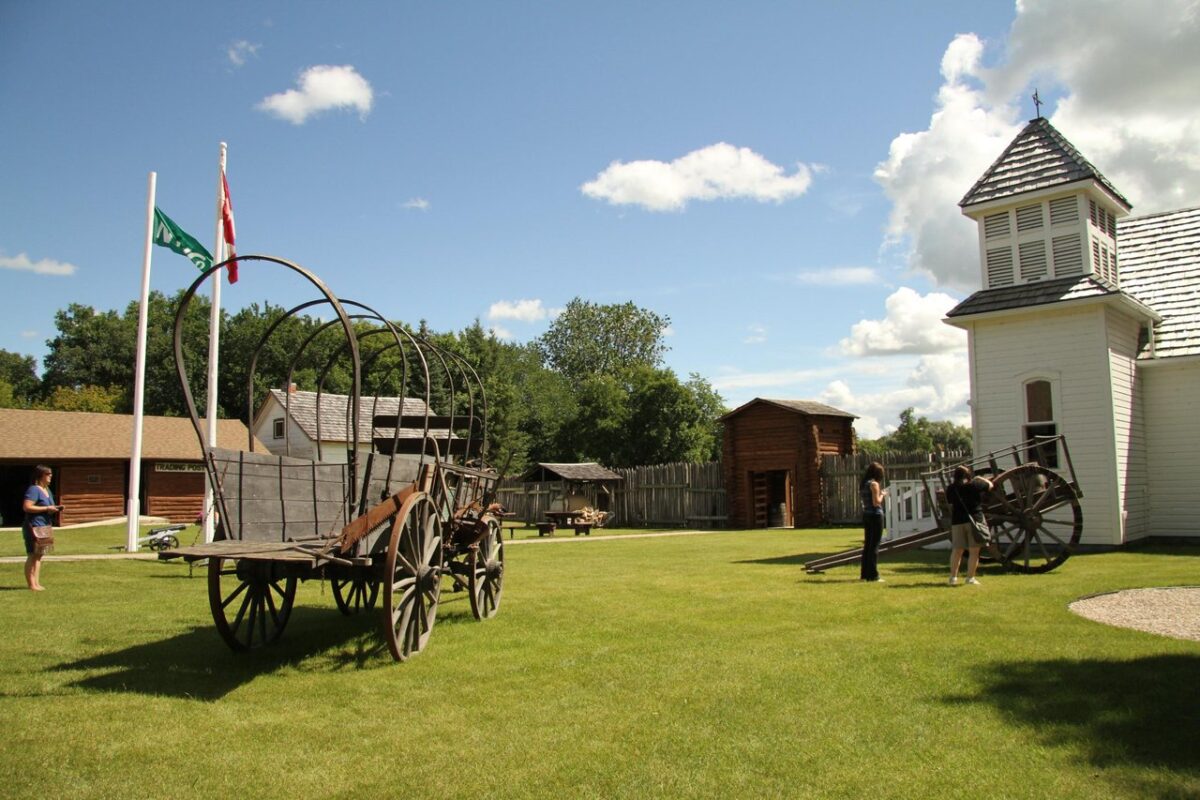
Credit Robyn Hanson, courtesy Travel Manitoba
Fort Dauphin Museum is a reconstructed fur trade site that reflects the early history of settlement and commerce in the region. Open seasonally, the museum includes buildings arranged to resemble a trading post from the late 1700s. Exhibits focus on the fur trade, relationships between Indigenous peoples and traders, and the development of the area.
Summer is the best time to go, when all buildings are open and accessible. It offers a clear and focused introduction to this period of Manitoba’s history. Details
Where: 140 Jackson St, Dauphin; 204-638-6630
When: usually late spring through early fall, but can be viewed October to April by appointment.


