 Calgary
One of Alberta’s most underrated fall activities includes one of the province’s most populace groups: the birds! Birding, or bird watching, in Alberta, is an especially fun activity in the fall, as migratory birds who don’t normally live here, pass through on their journey to the south. But fall is also busy in the forests, wetlands, mountains, and hills, thanks to our hundreds of permanent resident birds.
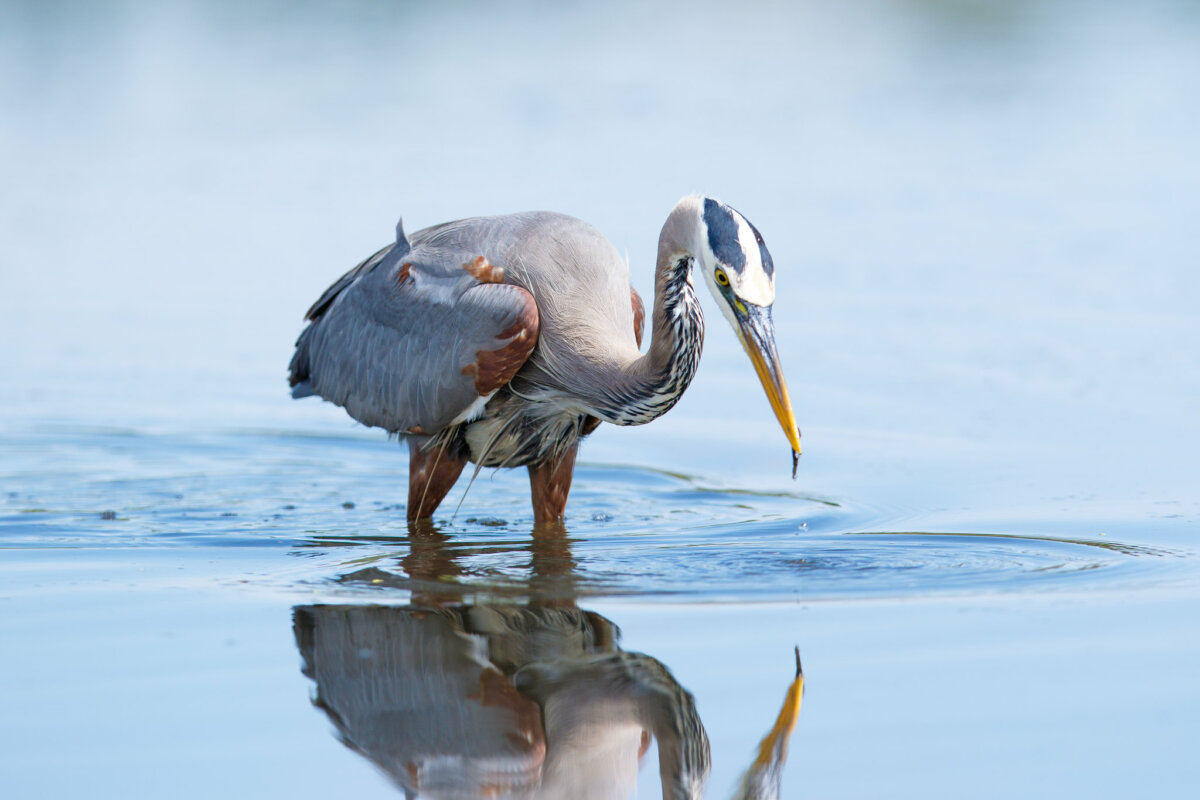
The types of birds you can encounter depend on where in Alberta you go; but a good start on your adventure are Alberta’s Natural Areas and Provincial Parks or Wildlands, some of which are also globally recognized as Important Bird Areas. Not sure what you’re looking for? Some parks offer visual checklists!
Northern Alberta
Winagami Lake Provincial Park
Winagami Lake can easily be explored via power boats, electric boats, or paddle boats. This will give you excellent chances at spotting the 200+ bird species who call the Provincial Park their home. You may also explore on foot or bike along the Park’s Hawk Haven, Eagle Trail, Owl Loop, Songbird Trail, or Woodpecker Wander, to spot some of these birds like grebes, sandpipers, goshawks, or bald eagles.
https://www.instagram.com/p/CgZv0Hlls5d/
Where: north end of Highway 801 (road ends at the park)
Saskatoon Island Provincial Park & Saskatoon Lake Migratory Bird Sanctuary
Saskatoon Lake has been considered a migratory bird sanctuary since 1948 and continues to provide a refuge for over 200 types of birds. The awe-inspiring trumpeter swans also use the lake as a rest area before heading south and can take over the lake in huge numbers during the fall. Explore about 4 km of wheelchair-accessible trails and keep your eyes/ears open for other birds like grebes, coots, scoters, teals, or possibly a great horned owl.
Where: north on Range Rd. 81 from Highway AB-43
Lesser Slave Lake Provincial Park
If you want to spot the beautiful migratory swans of Alberta on your birdwatching trip, then one of your best bets are the shores of Lesser Slave Lake, and the Provincial Park: “Up to 20% of the western population of tundra swans stop to feed on the lake.” In addition to the swans, you are sure to spot or hear grebes, yellow warblers, bay-breasted warblers, or red-eyed vireos.
Where: northeast shore of the lake on Highway AB-88
William A. Switzer Provincial Park
The western foothills of Alberta are abundant in a huge variety of wildlife, and your visits here allow you spot over 200 species of birds. William A. Switzer has three lakes, each with their own day use areas. From these three locations alone, you can spot the waterfowl bobbing near the shores like ducks or loons. You can also follow hiking trails through the wooded areas for chances at spotting even more bird species like bald eagles, barred owls, sparrows, or hummingbirds. You may also explore the shores by boat to reach the more remote areas of the park.
Where: northwest of Hinton on Highway AB-40 (Bighorn Highway)
Sir Winston Churchill Provincial Park
Around 230 species of birds have been spotted and recorded at Sir Winston Churchill, a northeastern park near the town of Lac La Biche. Not only can you spot colourful birds, but this thickly wooded area will also soon turn into a beautiful fall landscape for your birdwatching adventures. Follow nearly 10km of trails through the colourful trees, and you may spot five different owl species, sparrows, warblers, or eagles. The Old Growth Alley Trail leads to two perfect lookout points over the lake.
Where: north of the town of Lac La Biche on Lakeland Drive, and north on Township Road 673A
Cross Lake Provincial Park
The large number of birds who call Cross Lake home can be found fluttering around the surrounding boreal forest trees, or others can be found swimming the small northern lake. You can listen, either from the waters or the shores, for warblers and sparrows, or try to spot the migrating bald eagles and osprey. The short trail from the campground takes you to a birdwatching platform which looks out over the lake and has a viewing scope attached to it.
Where: north end of Highway AB-801
Cold Lake Provincial Park
Whether you’re an avid birdwatcher, or simply looking to visit Cold Lake PP for a weekend, you will easily be impressed by the 200+ bird species found within the area. The Park’s Day use area surrounds Hall’s Lagoon and French Bay where you can follow lakeside trails, or forested trails to the lagoon. Some of Alberta’s largest western grebe colonies are found here, and you may also spot mallards, teals, or hear the breeding wood warblers and sedge wren.
Where: end of 16th Avenue from the town of Cold Lake, turns into Township Rd. 633
The Rocky Mountains
Evan-Thomas Provincial Recreation Area
Follow the hiking trails within the Evan-Thomas PRA, and you will be led to magnificent pond and wetland views with the mountains and waterfalls all around. To add to this beauty are possibly tundra and trumpeter swan sightings, colourful and adorable ducks, tiny hummingbirds, and impressively large cranes. Hike to areas like the Wedge Pond, the Kovach Pond, or the Ribbon Creek Viewpoint for excellent wildlife viewing opportunities.
Where: west side of Highway AB-40, near the Kananaskis Village
Castle Provincial Park
Alberta’s southern Rockies are home to rare wetland areas which you can within the large Castle Provincial Park area. In terms of how you’d like to explore and go about your birding adventures, the park can offer something for everyone: explore by boat, on foot, on bike, or by horseback. You could spot swans, chickadees, doves, cranes, owls, and many more.
Where: main access from Highway AB-6 south, or Highway AB-3 west
Sheep River Provincial Park
The Sheep River areas are on the eastern edge of Kananaskis Country in Alberta’s south foothills. The area is known for its natural beauty no matter where you go in Kananaskis, and many lucky birds call this home. The area is best explored by hiking or mountain biking, and your adventures can reveal hundreds of types of beautiful birds. Both the tundra and trumpeter swans will make their way through here during migration, while birds like grouse call the area a permanent home.
Where: 25 km west of Turner Valley along Hwy. 546 and extends west approximately 15 km along the Sheep River
Peter Lougheed Provincial Park
Visit Peter Lougheed PP for picnics, daytrips to the mountains, extreme camping getaways, or a birdwatching and wildlife adventure that can reveal over 200 species of birds! The large network of trails is a perfect place to start, especially those which follow the Upper and Lower Kananaskis Lakes. The Marl Lake area and surrounding trails may also be a good viewing area for the park’s birds like ducks, grouse, grebes, sandpipers, or hummingbirds, to name but a few.
Where: either side of the Smith-Dorrien Trail in Kananaskis Country
Bow Valley Wildland Provincial Park
The backcountry areas of the Bow Valley Wildland PP offer up some unreal scenery for activities like fishing, canoeing/kayaking, hiking, and camping. And with the remote wilderness areas comes a huge array of birds to watch out and hear for, including the beautiful mourning doves, a variety of owls, and a large variety of woodpeckers. This area is also an important predatory bird habitat and offers sightings of falcons, hawks, and eagles.
Where: area north of Canmore, access via Highway 1A
Central Alberta
Crimson Lake Provincial Park
Take your birding adventure to the quiet trails and day use areas of Crimson Lake Provincial Park, where you can explore by canoe or kayak, bike, or on foot. If you take to your adventures at dusk or dawn, you increase your chances of spotting a boreal or pygmy owl, some of the more elusive birds of Alberta! On the water, the cute mallards line the shores, with the odd cranes visible, too!
Where: use Highway AB-11 to access 756 and follow it north to the park
Dillberry Lake Provincial Park
Dillberry Lake sits on the eastern edge of Alberta and is considered one of the province’s many Important Bird Areas. The mixture of bird species you can see here are actually a bit uncommon for Alberta with a mix of grassland, boreal forest, and parkland birds who like to visit Dillberry Lake. This includes ducks, geese, and swans in term of waterfowl, as well as hermit thrush, lark sparrows, marsh wrens, and blackbirds.
Where: East side of Highway AB-17, northeast of Provost
Miquelon Lake Provincial Park
You’ll get the chance to spot over 200 bird species within Miquelon Lake PP, also an Important Bird Area. The fall migration in this area will let you see possible ducks, trumpeter and tundra swans, cinnamon teals, goldeneyes, and snow geese. The park is also an important nesting ground for Alberta’s great horned owl, so keep your eyes to the treetops during dusk and dawn! You can visit the park to birdwatch year-round and travel the trails by snowshoe or skis when the snow arrives.
Where: 3 km south of New Sarepta on Hwy. 21 & 20 km east on Hwy. 623
Beaverhill Natural Area
Pack yourselves a picnic for your time at the quiet and beautiful Beaverhill Natural Area. The park is a less populated hiking area with a perfect 5km/one-hour hike to Beaverhill Lake. Once you reach the water, you may witness migratory birds in the hundreds, including cormorants, hawks, and pelicans.
Where: east of Edmonton on Highway AB-14, with access east of Tofield on Township Rd. 626
Lois Hole Centennial Provincial Park
For a quick escape outside of Edmonton, but also a great birdwatching opportunity, you can visit the Lois Hole Centennial PP. It is a globally significant Important Bird Area, with over 200 species observed. This is an impressive stat considering the park’s proximity to a large city. The park’s east-end day use area is where the boardwalk trails start, with interpretive signage courtesy of Ducks Unlimited Canada. During the fall migration season, you may spot swans swimming around Big Lake, which can be explore by canoe or kayak.
Where: access via Meadowlands Drive in St. Albert from the Yellowhead or Anthony Henday Highways
Southern Alberta
Writing-on-Stone Provincial Park
Writing-on-Stone PP’s campground is open year-round, so you can enjoy birds of any season at the park. When the weather is warm, you can swim in the Milk River or enjoy a kayak/paddleboard ride, while the trails around the park can be enjoyed all year. This park gives us recreational opportunities but gives several species of birds a protected home. Walk the Hoodoos Trail and try to spot birds of prey like bald and gold eagles, merlin or prairie falcons, or several types of hawks. You can also follow the sounds of the more musical birds like warblers, chickadees, or woodpeckers.
Where: 32 km east of Milk River on Hwy. 501 & 10 km south on access road
Dinosaur Provincial Park
The dinosaurs, bones, and fossils may be the main attractions at Dinosaur Provincial Park in southeastern Alberta, but the birds are a hidden attraction that you might not have discovered until you arrived in the park. Dinosaur PP and the adjacent Natural Preserve are an important predatory bird habitat, many of which can be spotted during the fall migratory season. Permanent resident birds you can see strutting or fluttering through the park include pheasants, owls, woodpeckers, or gray partridges.
Where: northeast of Patricia on Range Rd. 125
Dry Island Buffalo Jump Provincial Park
There are some unique bird species which have been spotted in this southern Alberta Park, including a few predatory birds. Your visit to Dry Island Buffalo Jump could offer sightings of golden eagles, turkey vultures, red-tailed and Swainson’s hawks, or prairie falcons. In terms of the smaller and slightly cuter fowl, you could spot mountain bluebirds, belted kingfishers, and several varieties of warblers. Head down to the Red Deer Riverbanks and find blue herons or ducks cruising the shorelines.
Where: 50 km east of Innisfail on Hwy. 590, 10 km south on Hwy. 21 & 15 km east on a
Beauvais Lake Provincial Park
As a park situated between prairies, grasslands, foothills, and the Rocky Mountains, Beauvais Lake is a hugely important bird habitat in Alberta. The park and its wildlife/birds can be viewed via 14 different hiking trails, some of which are open year-round for snowshoes and skis. On your trails and adventures, you’re likely to spot a wide variety of birds, as over 180 have been observed here. The migratory birds you may spot over fall include sandpipers, the short-eared owl, grebes, rough-legged hawks, warblers, or sparrows.
Where: Access via Highway 507, west of Pincher Creek
Park Lake Provincial Park
Park Lake Provincial Park and the surrounding wetlands are home to many migrating birds, and other wildlife. The largest bird you could encounter is a pelican, especially if you take a boat on the lake (permits powerboats and canoes/kayaks)- this lake is excellent for fishing, and the pelicans know so! Explore Park Lake with a bike or on a hike and follow the Lakeshore Trail to the side opposite the campground to find a viewpoint overlooking the entire lake and all the birds who stop here on their way south.
Where: 17 km northwest of Lethbridge on Hwy. 25 and 5 km north & west on Hwy. 101
Fish Creek Provincial Park
Escape the noise of Calgary’s city streets and take a walk in the large southern park! Fish Creek winds through most of south Calgary with part of it following the Bow River. There is an extensive network of paths in the park which will reveal the hundreds of birds which you may spot on a hike or bike ride. Some of the migratory birds you could spot here include pintails, teals, grebes, green herons, eagles, or hawks. Some permanent resident birds include blue jays, chickadees, and woodpeckers.
Where: South Calgary
Kinbrook Island Provincial Park
Kinbrook Island on Lake Newell is about halfway between Calgary and Medicine Hat and is a massive habitat for an array of birds. If you see something big on the water, it might be the American white pelican or ring-billed gull. You are likely to spot several ducks bobbing along the shores, too. You can explore the entire lake by power boat or paddle boat, stop here for a scenic picnic, or take advantage of the park’s year-round campground.
Where: 13 km south of Brooks off Hwy. 873
Cypress Hills Provincial Park
The Cypress Hills make for some of the best birdwatching Canada: more than 220 bird species have been recorded in the Provincial Park thanks to the variety of landscapes like grasslands and forests. You may spot rare birds, more common species, or a mixture of the two. In order to get the best birdwatching views, take to the numerous hiking trails around the park, or head to the small Reesor Lake. You can even spot many types of birds from the Elkwater town.
Where: 20 km southeast of Medicine Hat on Hwy. 1 & 30 km south on Hwy. 41


Great article! Would be very helpful for people interested in birdwatching and bird photography in Alberta. Thank you Bernadette for highlighting three of my Instagram posts.