 Regina
The federal government has announced 11 new national historic designations honouring individuals, places, and events that have shaped the country’s history. The recognitions, made under Parks Canada’s National Program of Historical Commemoration, reflect the nation’s cultural, social, and political diversity.
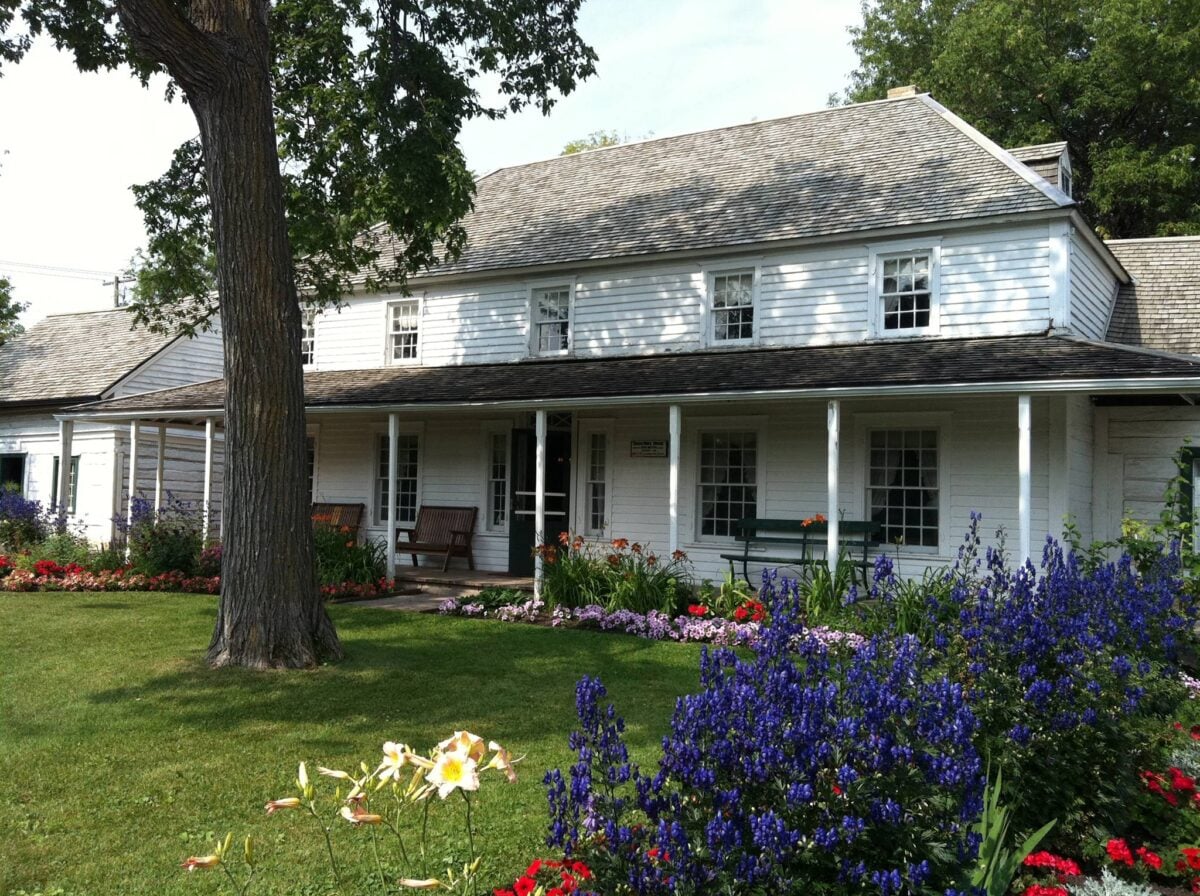
Credit: Seven Oaks House Museum
Minister of Canadian Identity and Culture Steven Guilbeault said the designations help preserve the country’s shared heritage and ensure future generations understand Canada’s complex past.
The new designations include Seven Oaks House in Winnipeg, Manitoba, as well as historical figures William Kennedy, Charlotte Edith Anderson Monture, Mary Two-Axe Earley, and Everett Baker. Events designated as nationally significant include the RCMP Musical Ride, the Invention of the Morris Rod-Weeder, Rural Electrification Across Canada, the 1967 Klippert Case, the Miramichi Fire of 1825, and First World War Training at Sarcee Camp.
-
Seven Oaks House (Winnipeg, Manitoba): One of Manitoba’s oldest buildings, the site reflects Red River Settlement life and the Métis community’s contributions to the region’s development. Built between 1831 and 1853, it showcases Georgian-style architecture and the legacy of the Inkster family.
-
William Kennedy (1814–1890): A Métis leader and Arctic explorer who led a search for Sir John Franklin’s expedition and later contributed to Manitoba’s political formation. He advocated for Indigenous rights and Manitoba’s entry into Confederation.
-
Charlotte Edith Anderson Monture (1890–1996): A Kanien’kehá:ka nurse and First World War veteran from Six Nations of the Grand River, she was among the first Indigenous women in Canada to receive professional nursing training and the right to vote in 1917.
-
Mary Two-Axe Earley: A Mohawk activist whose decades-long fight against gender discrimination in the Indian Act led to legislative reforms in 1985, restoring status rights to Indigenous women and their descendants.
-
Everett Baker (1893–1981): A Saskatchewan educator and photographer who promoted the co-operative movement and documented Prairie life through more than 10,000 colour slides, helping preserve mid-20th-century rural heritage.
-
RCMP Musical Ride: Originating in 1887 in Regina, the precision equestrian performance by scarlet-uniformed officers symbolizes Canada’s policing traditions and has become a hallmark of national identity.
-
Invention of the Morris Rod-Weeder: Developed by George Morris in 1929 in Saskatchewan, this farm tool revolutionized weed control, improving soil conservation and supporting Prairie agriculture for decades.
-
Rural Electrification Across Canada: A mid-20th-century national effort that extended electricity to rural communities, transforming daily life and modernizing farms across provinces.
-
The Klippert Case (1967): The legal case of Everett Klippert exposed discrimination against gay men and led to criminal law reforms, including the 1969 partial decriminalization of same-gender sexual activity.
-
Miramichi Fire of 1825: One of the largest wildfires in North American history, it destroyed vast areas of northeastern New Brunswick and prompted significant relief efforts, strengthening ties across colonial regions.
-
First World War Training at Sarcee Camp: Established in 1915 near Calgary, the camp trained over 45,000 soldiers and underscored the sacrifices and displacement experienced by the Tsuut’ina Nation whose lands were used for military purposes.
Parks Canada, through the Historic Sites and Monuments Board of Canada, has made more than 2,280 designations nationwide since the program began in 1919. Further information on nominations can be found on the Parks Canada website.


