 Calgary
There is no greater monument to Alberta’s coal industry and history than the site of the Frank Slide.
Credit: Frank Slide Interpretive Centre
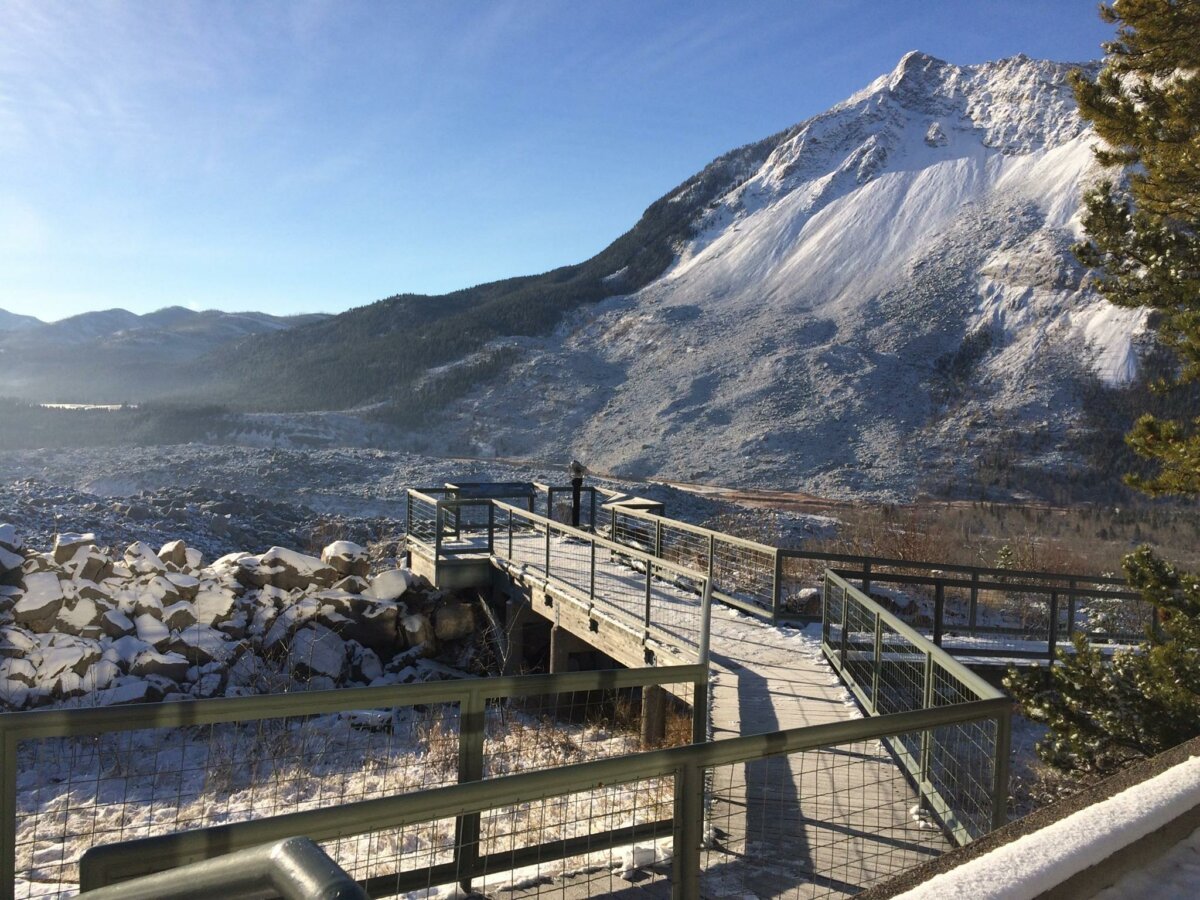
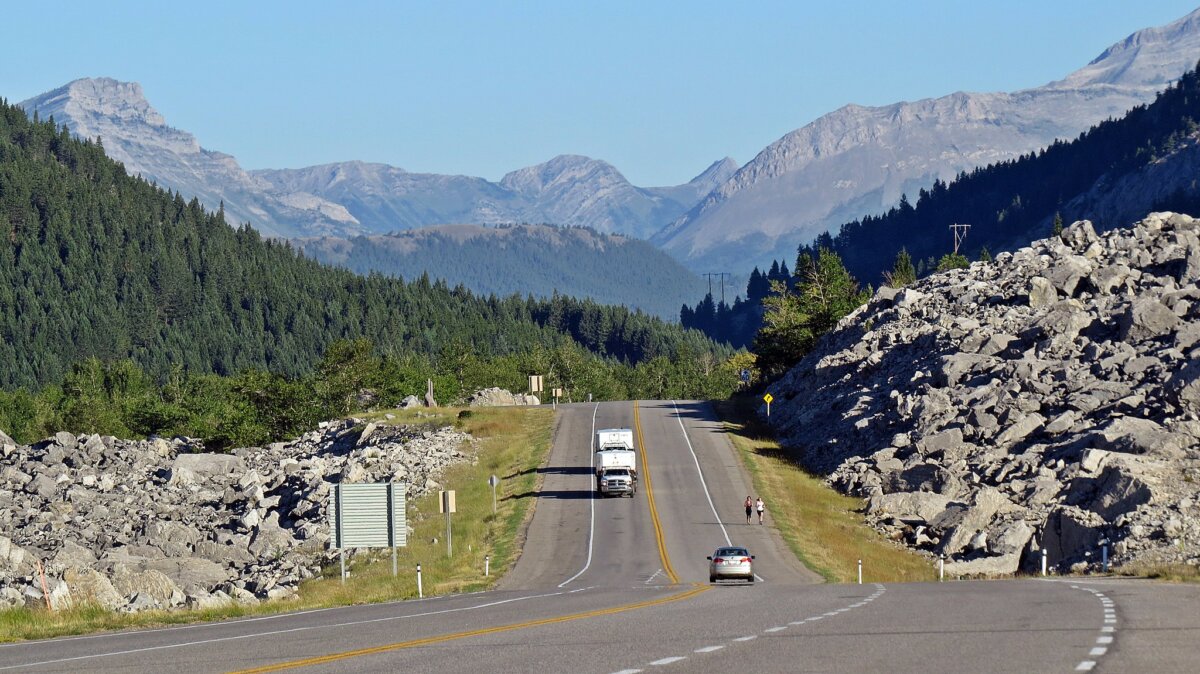
The giant boulders which cover the sides of Highway 3 by Blairmore have a long and tragic backstory. The rubble is the result of one of the top 20 deadliest rockslides in the world. A visit here is awe-inspiring. The sheer amount of limestone rock that surrounds the highway is hard to believe. It is even harder to believe how much rubble there is when you think about how it all came crashing down from Turtle Mountain at 120km per hour.
The Frank Slide Site – What Happened?
On April 29, 1903, the former town of Frank suffered from the deadliest rockslide in Canada’s history. It is estimated that on that morning, the peak of the nearby Turtle Mountain shed 90-100 million tons of limestone rock. The rockslide happened so fast that no one in the town of Frank had time to evacuate or prepare. The rockslide buried the town, and it is estimated that 70-100 people died that day. The rubble remains there today, along with everything it buried, except for a few cleared sites.
Learning about Alberta’s History on the Crowsnest Highway
Credit: Robert Pruner/Flickr
If you want to learn more about the event, visit Frank Slide Interpretive Centre located above the rubble and rocks. There are short paths to follow which provide more viewing areas of the fields of limestone. The Frank Slide Interpretive Centre is year-round but has extended hours for the summer season. The year-round hours of the Centre make it easy for students and teachers to take advantage of their multiple field trips programs, each aimed at age group.
As a general admission visitor, there are still a lot of educational opportunities available around the Interpretive Centre. Overall, you can get a sense of the Crowsnest area’s history, the town’s history, and therefore coal mining history!
You can also hike to the top of the Turtle Mountain.
The town of Frank was built as a coal mining town, as were many other townships in the area. While you’re on Highway 3, you have many other ways to learn more about the industry, the cultures, and the rich history of southwestern Alberta.
Leitch Collieries Provincial Historic Site is a free stop on Highway 3. The former collieries were a major part of the coal industry and served as above-ground processing plants. Today, visitors can walk the grounds and inside the ruins and set up a picnic at the site. Public washrooms are also available.
Credit: Frank Slide Interpretive Centre
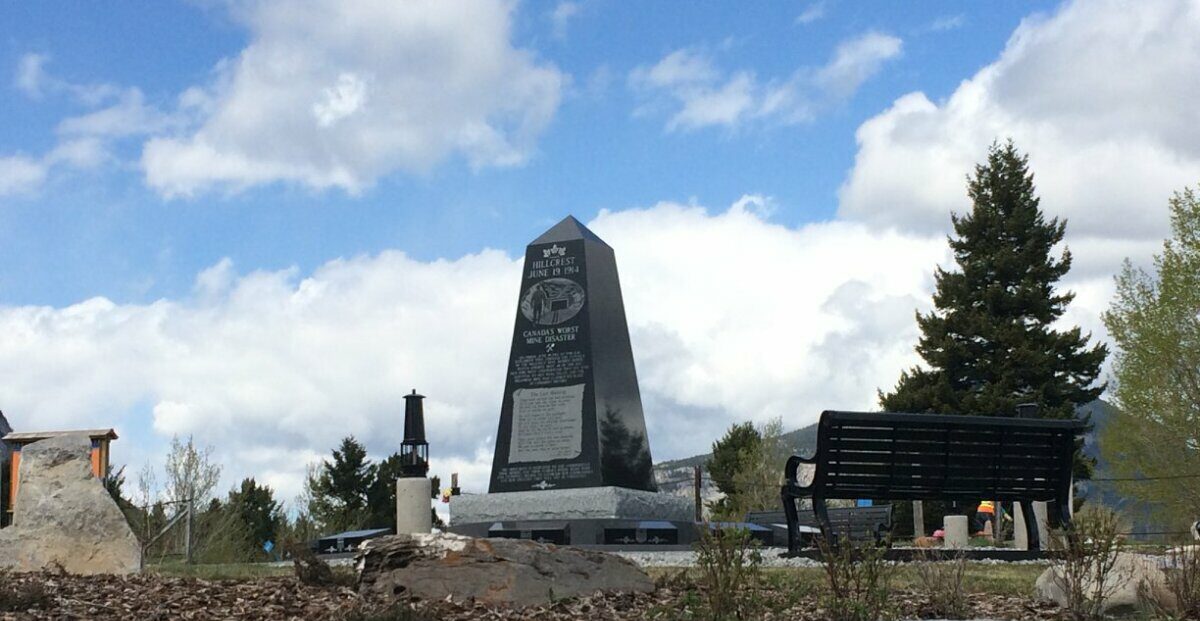
About a decade after the Frank Slide tragedy, the area was struck with yet another disaster. The Hillcrest Mine Disaster took place about 5-minutes south of the Frank site and involved another significant loss of life. The incident took place in 1914 when it is believed that a rock fall in the mine set off a series of events which led to explosions, and the oxygen deprivation of the mine workers. 189 men lost their lives, and over 100 women were widowed. The Hillcrest Mine Monument and Cemetery is a quiet and peaceful place to reflect on all the history and tragedies that took place, and is set in a scenic location to add to the calm.
The next historic stop on the Crowsnest Highway, the Bellevue Underground Mine, offers an immersive look at this coal-mining history. Visit the Mine in the summer months to book an underground mine shaft tour! There is stuff to explore above and underground, and activities for all ages.
And while you’ll spend your time on the Crowsnest Highway exploring the historic and the abandoned of Alberta, there are several small towns along the way.
Blairmore, just outside of Frank, has a large selection of local restaurants and takeout spots on the main street of 20th Avenue. Local options include pizza, fried chicken, sit-down restaurants, Chinese cuisine, and more.
Planning your Trip – Frank Slide Interpretive Centre
Credit: Frank Slide Interpretive Centre
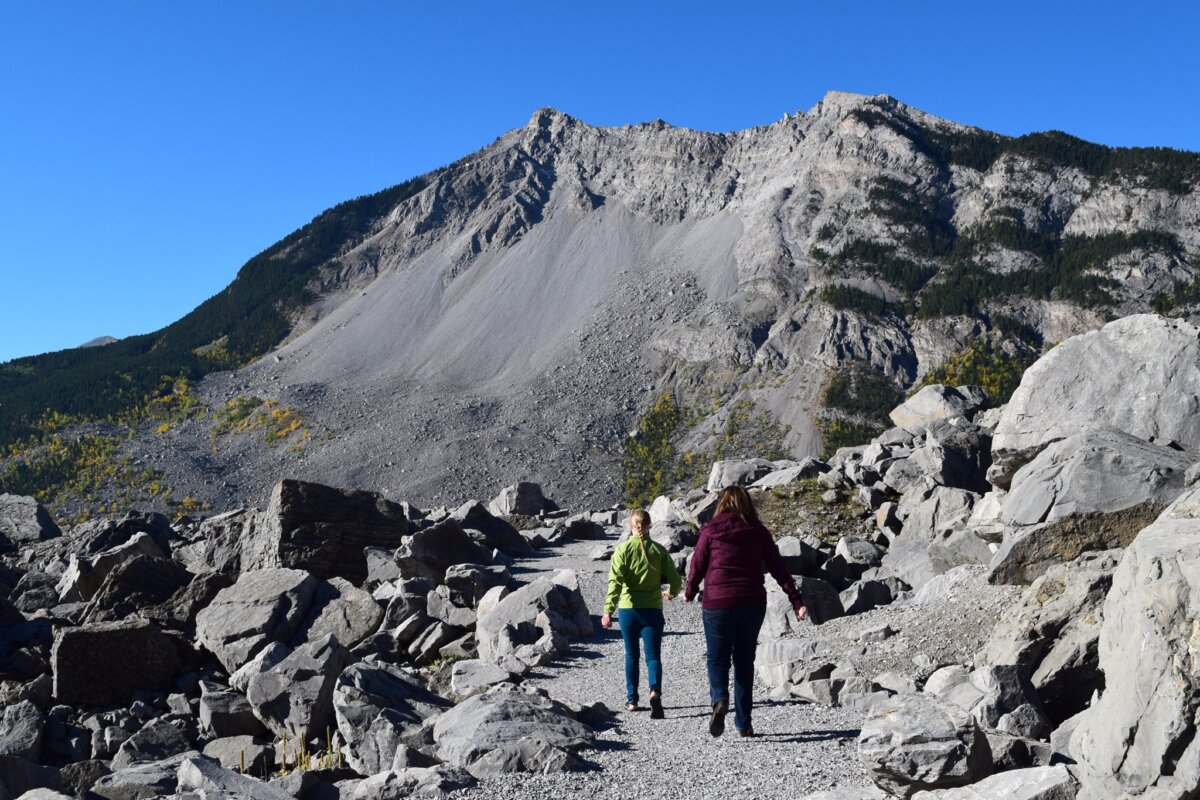
What: The Frank Slide Interpretive Centre is located on a small hillside off the Crowsnest Highway. The elevated Interpretive Centre is the best way to view the entire rockslide site. The Frank Slide site occupies a large area on both sides of the Crowsnest Highway. From the interpretive trail, you are met with an ominous view of the mountain, its missing cliff faces, and the millions of tons of rocks below. The eerie viewing is juxtaposed with a beautiful Rocky Mountain and foothill backdrop. The Interpretive Centre offers a wealth of information on the tragic morning of the rockslide, Alberta’s coal-mining history, and the specific mines that operated here. The Crowsnest Highway has several opportunities for historical and educational adventures from border to border.
Best time to go: The Interpretive Centre is open year-round
- May 16 – October 13: 10 a.m. – 5 p.m. Open daily
- October 11 – May 15: 10 a.m. – 5 p.m. Closed Mondays
- Closed: Christmas Eve, Christmas Day, New Year’s Day, and Easter Sunday
How to get there: you may drive through the site along Highway 3, west of Bellevue. The Interpretive Centre has a large parking lot
How much: Frank Slide Interpretive Centre –
- Adult (18 to 64): $18
- Senior (65 and older): $14
- Youth (7 to 17): $11
- Family (2 adults and youths to a maximum of eight people): $45
- Child (0 to 6): Free
- Active Canadian military: Free with CFOne Card
For more information:
Frank Slide Interpretive Centre
The Canadian Encyclopedia: “Frank Slide: Canada’s deadliest rockslide”


