 Toronto
Paddy Pallin
The territory of the Yukon offers an abundance of historical, natural and cultural sites that will amaze visitors with their diversity. Most people associate the Yukon with the history of the Gold Rush and, while that helped shape the territory into what it is today, there is plenty more to discover. From the Ice Age era to the present; from the ancient tribes to the current First Nations; there is plenty to see and experience while you are traversing this large territory.
If you are a wildlife enthusiast there are plenty of opportunities anywhere and everywhere to catch sightings of a wide variety of animals, including black and grizzly bears, foxes, eagles, moose, caribou, deer, elk, and lynx. There are a multitude of lakes, rivers, mountains and valleys that will keep outdoor junkies busy for weeks on end.
The name of the territory came from the Yukon River, which is the longest river in the territory and comes from the Gwich’in phrase “chųų gąįį han”, which refers to the pale colour of glacial runoff that flows in the river. The Yukon is the smallest of the three territories of Canada after being split off from the Northwest Territories in 1898 and only has a population of approximately 41,000 residents.
Fly into Whitehorse and rent a car to start your journey through the territory or drive yourself up the Alcan (Alaska) Highway. Either way you will find that you will enjoy every moment in the area. We have listed 25 of what we consider to be the best sites and places to visit in the Yukon, in no particular order.
Note: If you are visiting in the winter months, please be aware that most of these sites are not open. Sites in Whitehorse may have winter hours, check their websites for more information.
1. Yukon Beringia Interpretive Center
Credit: Victoria Harrison/To Do Canada
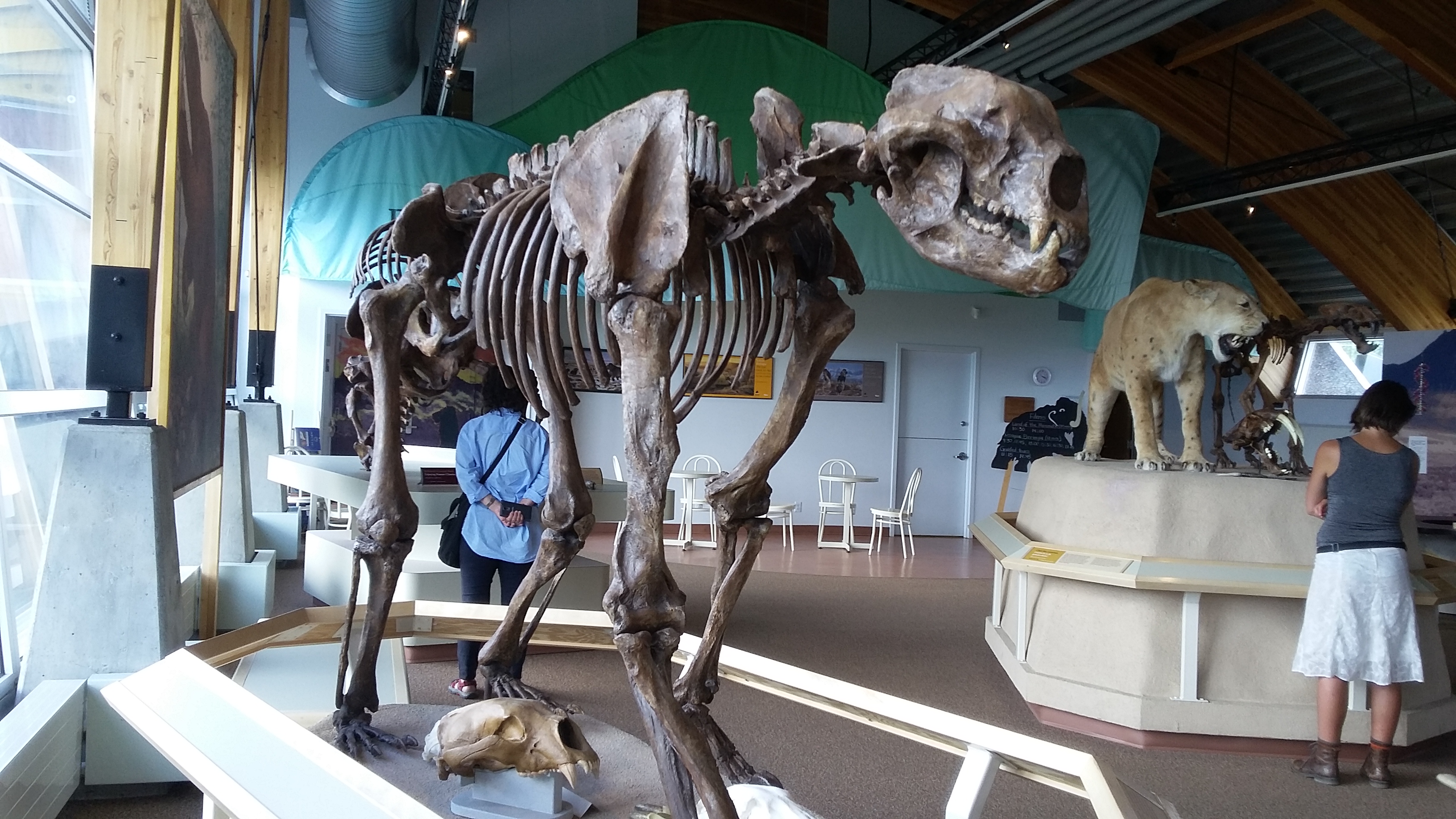
This interesting little museum is located right by the Whitehorse Airport on the Alcan Highway. While it is a fairly small museum, allow yourself up to two hours to visit, as they have interesting short videos and movies that they show on a continuing basis in their theatre. This museum holds the history of the area during the existence of the land bridge known as Beringia and showcases ice age animals and the first known humans in the area.
Details
2. McBride Museum
Credit: Victoria Harrison/To Do Canada
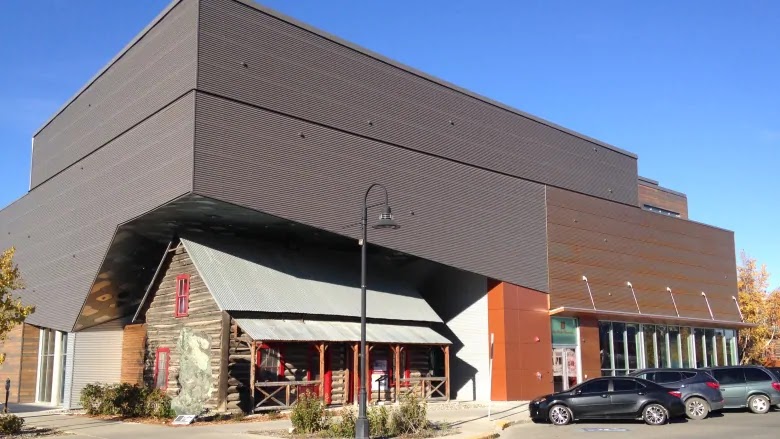
The McBride Museum is also located in Whitehorse, and you can find it downtown, right along the edge of the Yukon River. This museum contains an amazing amount of Yukon historic items and information about the First Nations of the area, along with wildlife exhibits. Recently expanded, allow up to two hours to get you through the entire collection. This museum has been voted the Yukon’s favourite museum!
Details
3. S.S. Klondike National Historic Site
Credit: Victoria Harrison/To Do Canada
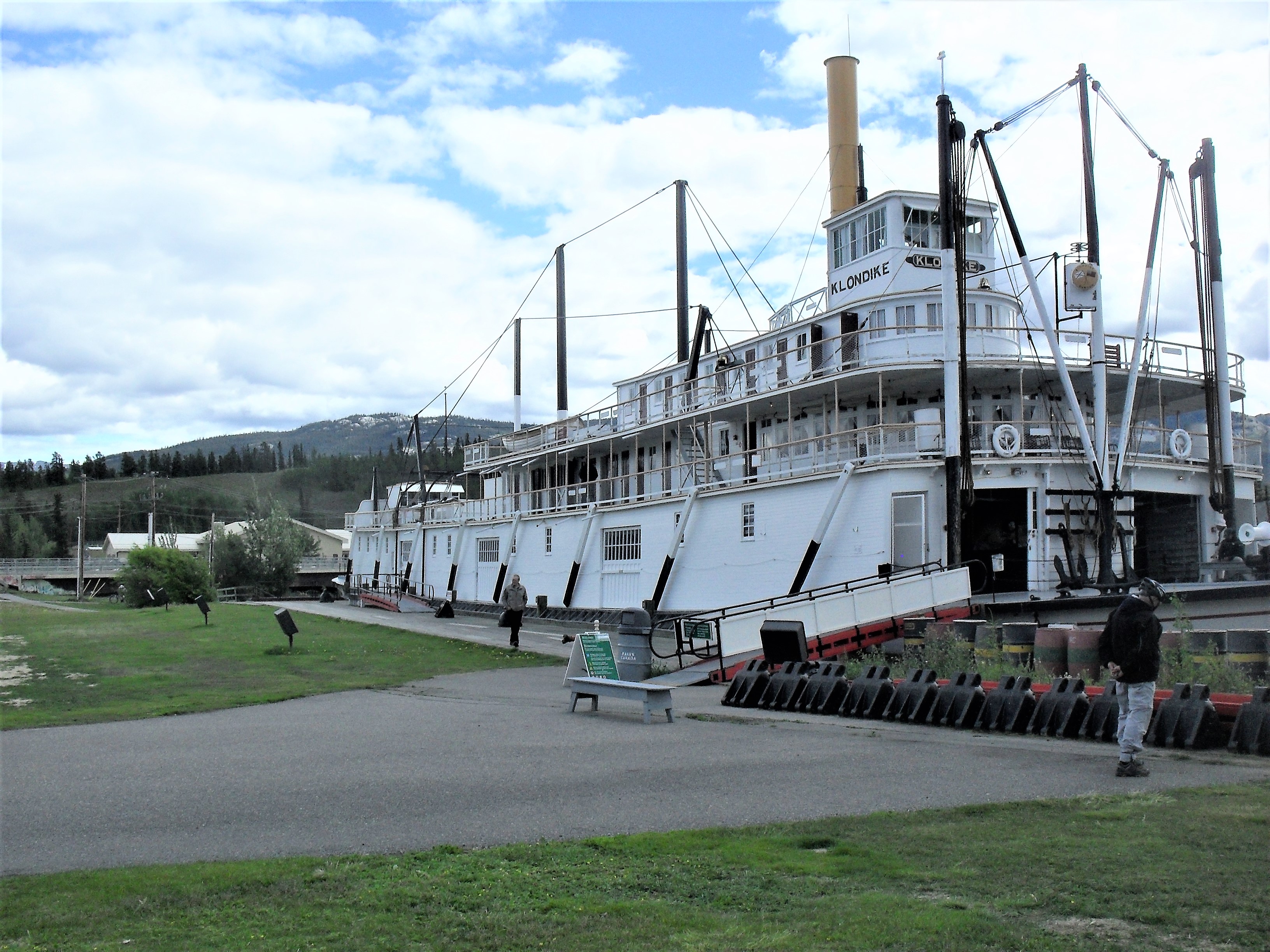
Along the banks of the Yukon River in Whitehorse you can spot the historic S.S. Klondike. This sternwheeler was the largest of a fleet in a time when the river was the main highway of the region. It has been restored to its former splendor and you can explore on your own with a self-guided tour or join a guided tour group. Don’t forget to watch the 20-minute informative video before starting either tour. Allow at least an hour to experience this site.
Details
4. Yukon Transportation Museum
Credit: Victoria Harrison/To Do Canada
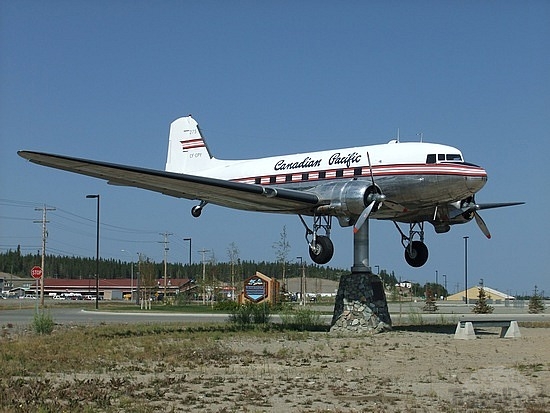
Located right next to the Beringia Museum and the Whitehorse Airport on the Alcan Highway, the first thing you will notice about this museum is the airplane outside. This historic plane is a DC-3 aircraft, CF-CPY, with her original 1950s vintage Canadian Pacific Airlines colours and has been made into a wind vane! The museum itself holds the history of how the gold rush miners’ travellers, the history of the local bush pilots, the building of the highway and its first vehicles, and so much more.
Details
5. Miles Canyon
Credit: Victoria Harrison/To Do Canada
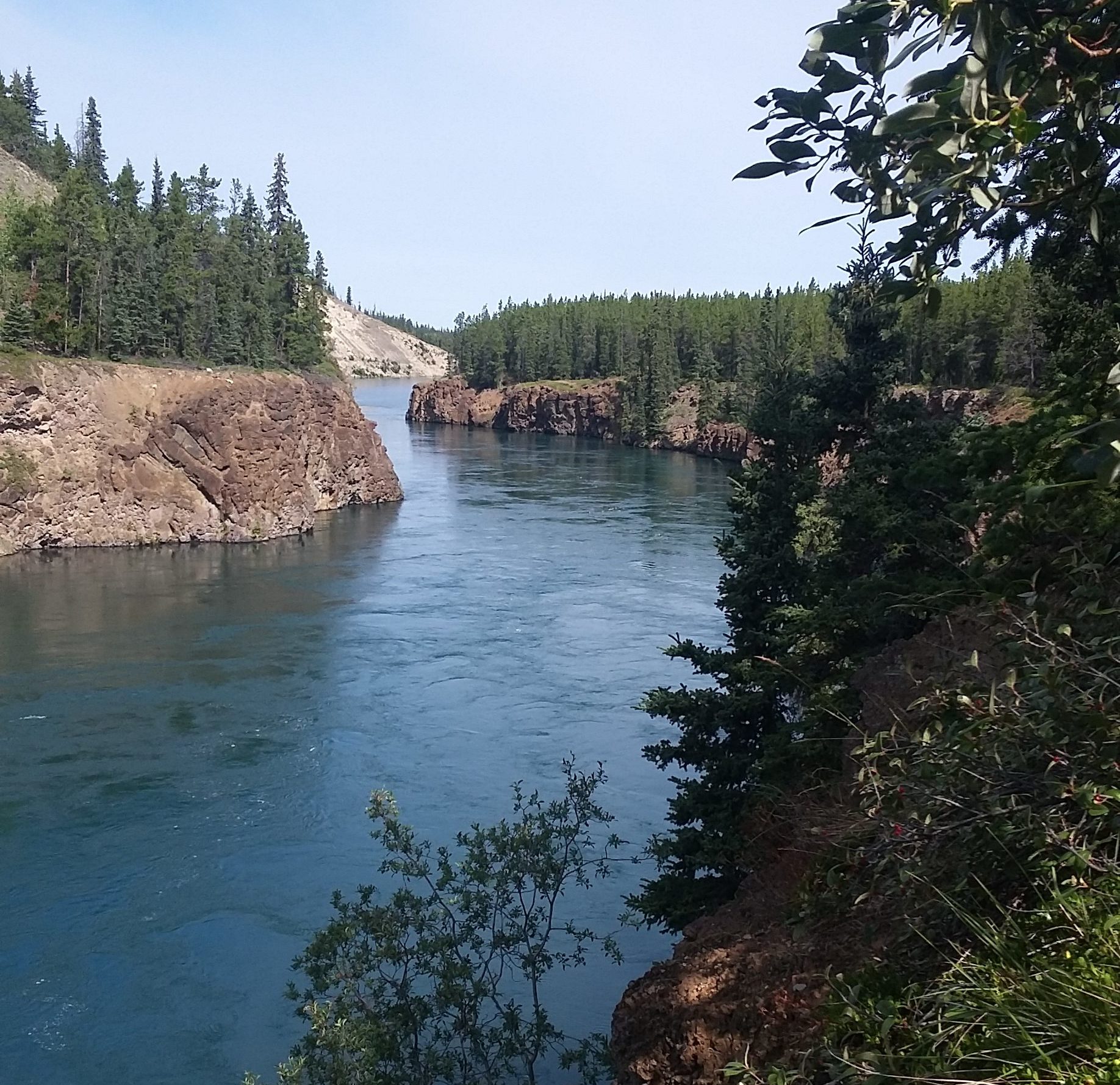
Just minutes from downtown Whitehorse is the beautiful Miles Canyon. This spectacular setting showcases the Yukon River with its steep banks and rushing waters. Along with a lookout point on the road in from the highway, there is also a suspension bridge from the main parking area to the other side of the river, where you can enjoy a variety of hikes. The bridge itself was build in 1922 and is a thrill in itself, even if you choose not to hike the area.
Details
6. Yukon Wildlife Preserve
Credit: Victoria Harrison/To Do Canada
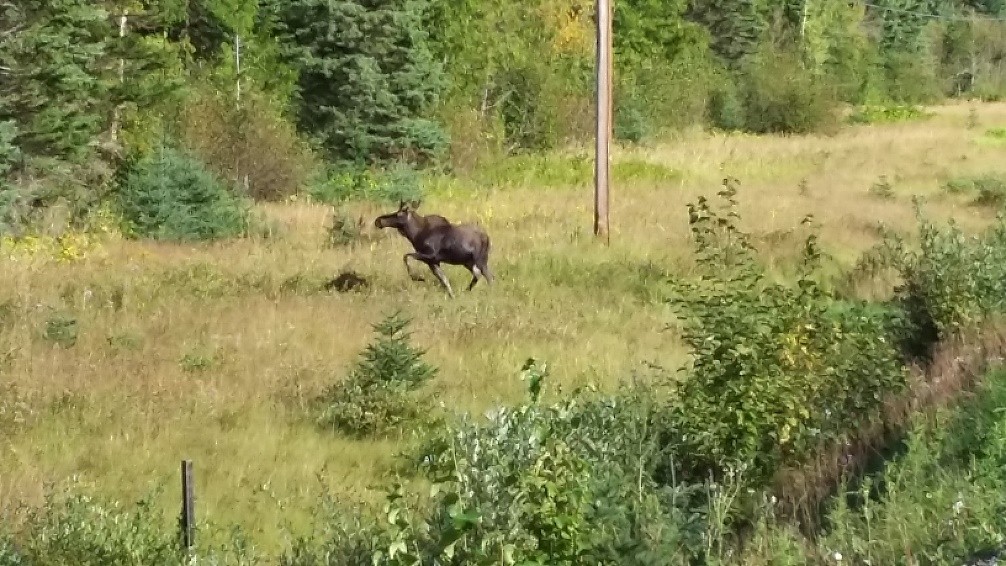
Located 30 minutes outside of Whitehorse, the Yukon Wildlife Preserve provides an opportunity for visitors to see the animals of the territory without having to search for them in the wild. There is a 5-km loop walk that will take you through a variety of large areas to see animals such as moose, muskox, lynx, caribou and more. Don’t worry if you can’t walk the 5-km, there are scheduled bus tours through the park that will give non-walkers the opportunities to see all the animals. If you have no transportation from Whitehorse itself, check out the companies that offer transport and guided tours on the Park’s website.
Details
7. Takhini Hot Springs
Credit: Victoria Harrison/To Do Canada
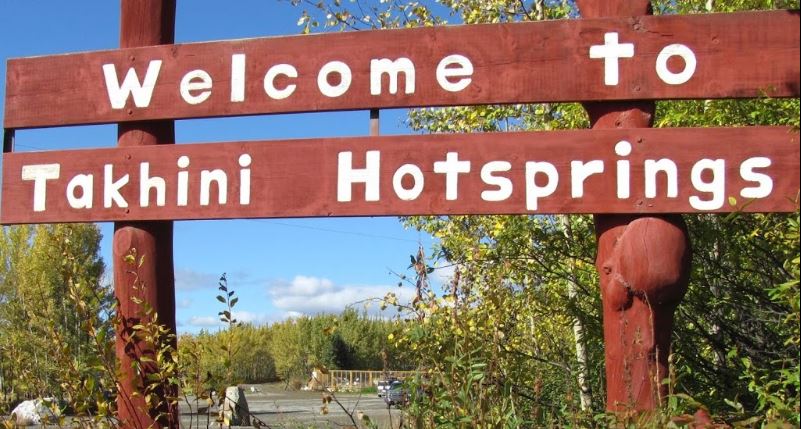
These hot springs are over 100 years old and have become a popular attraction for visitors and locals alike. With the mineral rich waters and comfortable temperatures, these hot springs are open year-round and even provide opportunities to relax in the waters while watching for the Northern Lights! Located about 28 kms from Whitehorse there is also a campground and hostel located here. Several companies offer tours or transport services to get here if you don’t have a vehicle.
Details
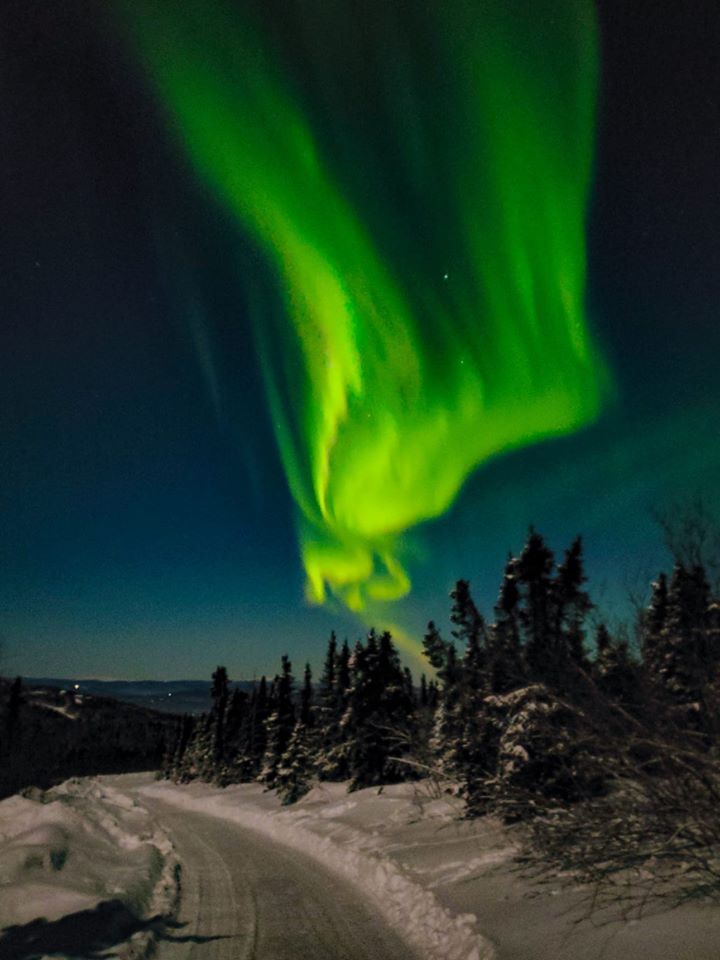
8. Seeing the Northern Lights
Credit: Victoria Harrison/To Do Canada
This is more of an activity than a specific place, but one of the reasons that people want to visit the Yukon is to witness the spectacular Aurora Borealis. They are best seen between late August and mid-April. It is hard to predict when they are best seen, so there are never guarantees, but booking a tour with an experienced company may help your chances.
There are several companies in Whitehorse that offer tours to places outside the city where the city lights won’t dim your chances of viewing the night colors. For a list of the reliable companies in the area offering these services, contact the Whitehorse Visitors Center or drop in for more information.
Details
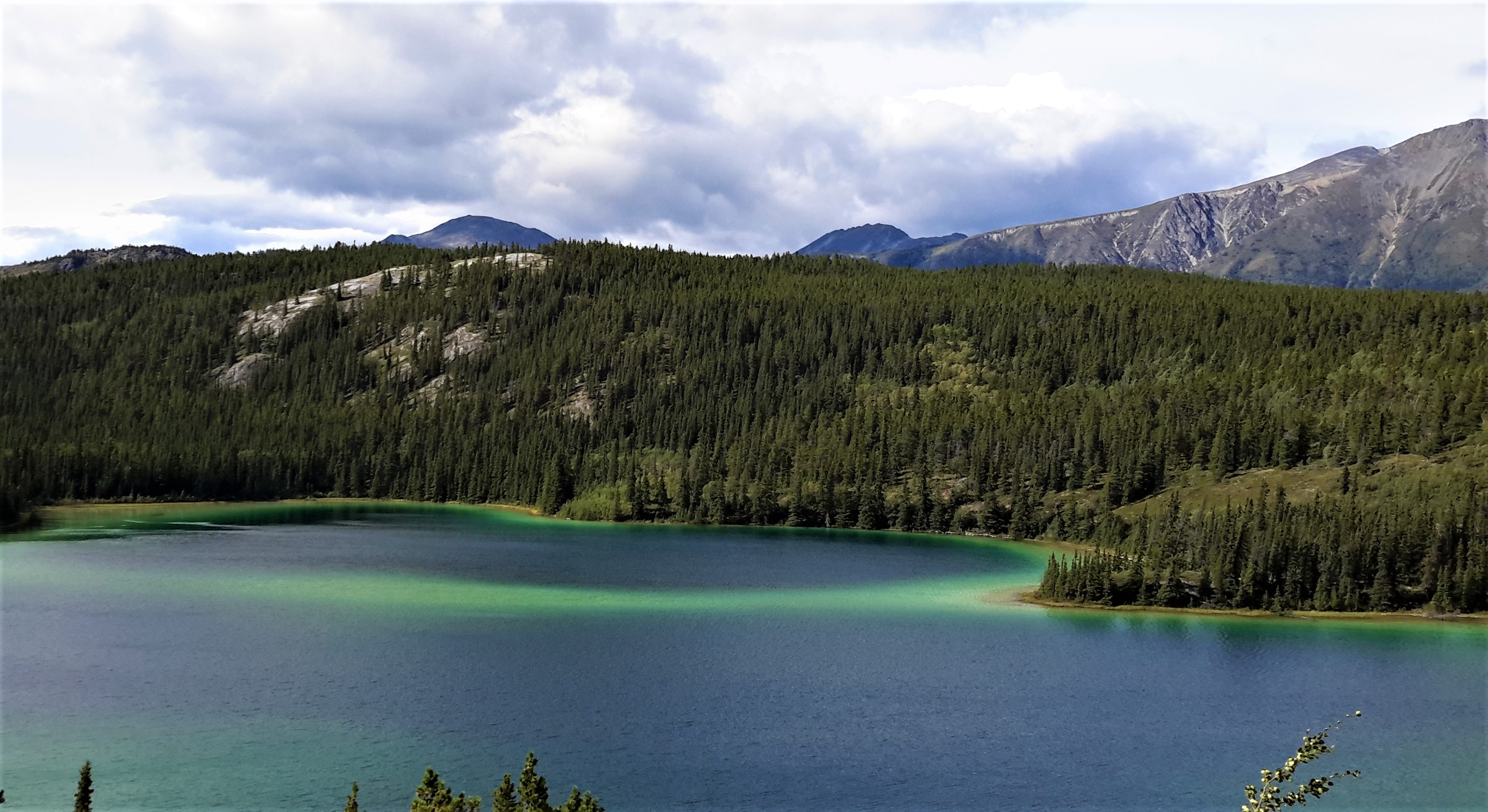
9. Emerald Lake
Credit: Victoria Harrison/To Do Canada
Located just a short distance down the South Klondike Highway from Whitehorse, Emerald Lake is a popular stop for visitors to see the cool green highlights in the lake waters. There is a lookout point which provides information on what causes the lake to be so vibrantly colored. In late August and September, you can catch this lake surrounded by amazing fall colors. It is quite possibly the most photographed lake in the Yukon!
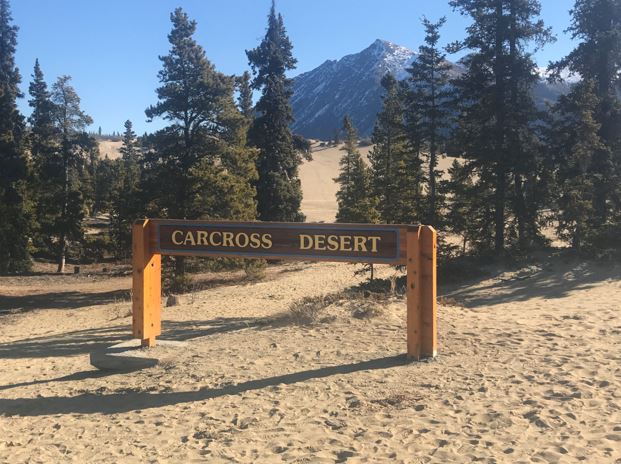
10. Carcross Desert
Credit: Victoria Harrison/To Do Canada
Just before the small town of Carcross on the South Klondike Highway is the world’s smallest desert. This amazing spot is actually a series of sand dunes measuring about one square mile and is home to some unusual varieties of plants. Take a walk over the dunes to experience being in a desert in the north of Canada or read the interesting information signs to learn more about the area. Be careful though, just because it is a desert doesn’t mean that there isn’t any wildlife there and it is common for locals to use the area for ATV’s and biking.
Details
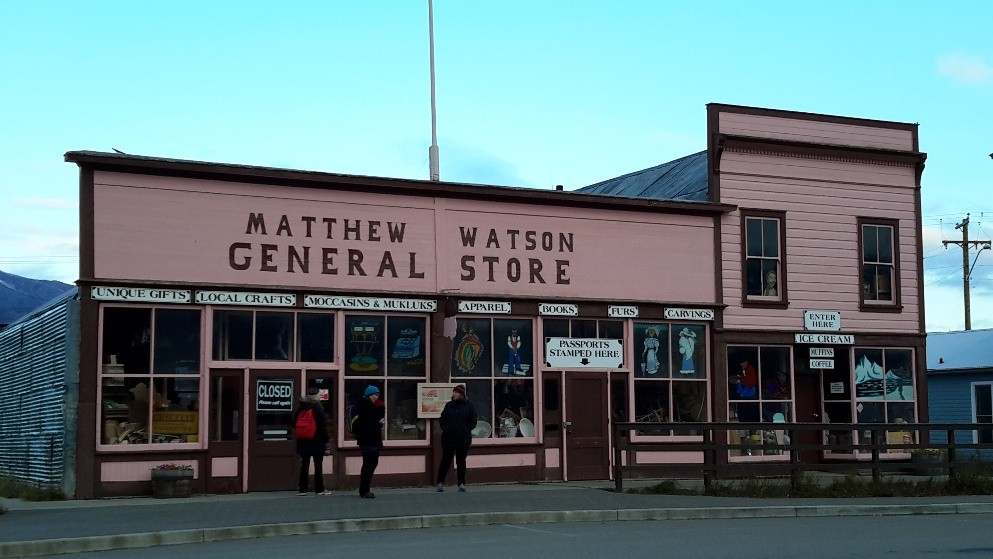
11. The Town of Carcross
Credit: Victoria Harrison/To Do Canada
One of the oldest gold rush towns in the territory, this region has been used by the Tagish and Tlingit First Nations for generations before the rush started. Stop by the Visitor’s Center to grab a self-guided walking tour brochure that will take you past all the historic buildings here, or simply enjoy the First Nations exhibits, like the totem poles, woodcarving shed and more.
The haunted and historic Caribou Hotel is open for visitors to stay the night or enjoy a meal or drink at the bar. You can even relax on the beach on the shore of Bennett Lake!
Details
12. Lake Bennett and its Historic Site
Credit: Victoria Harrison/To Do Canada
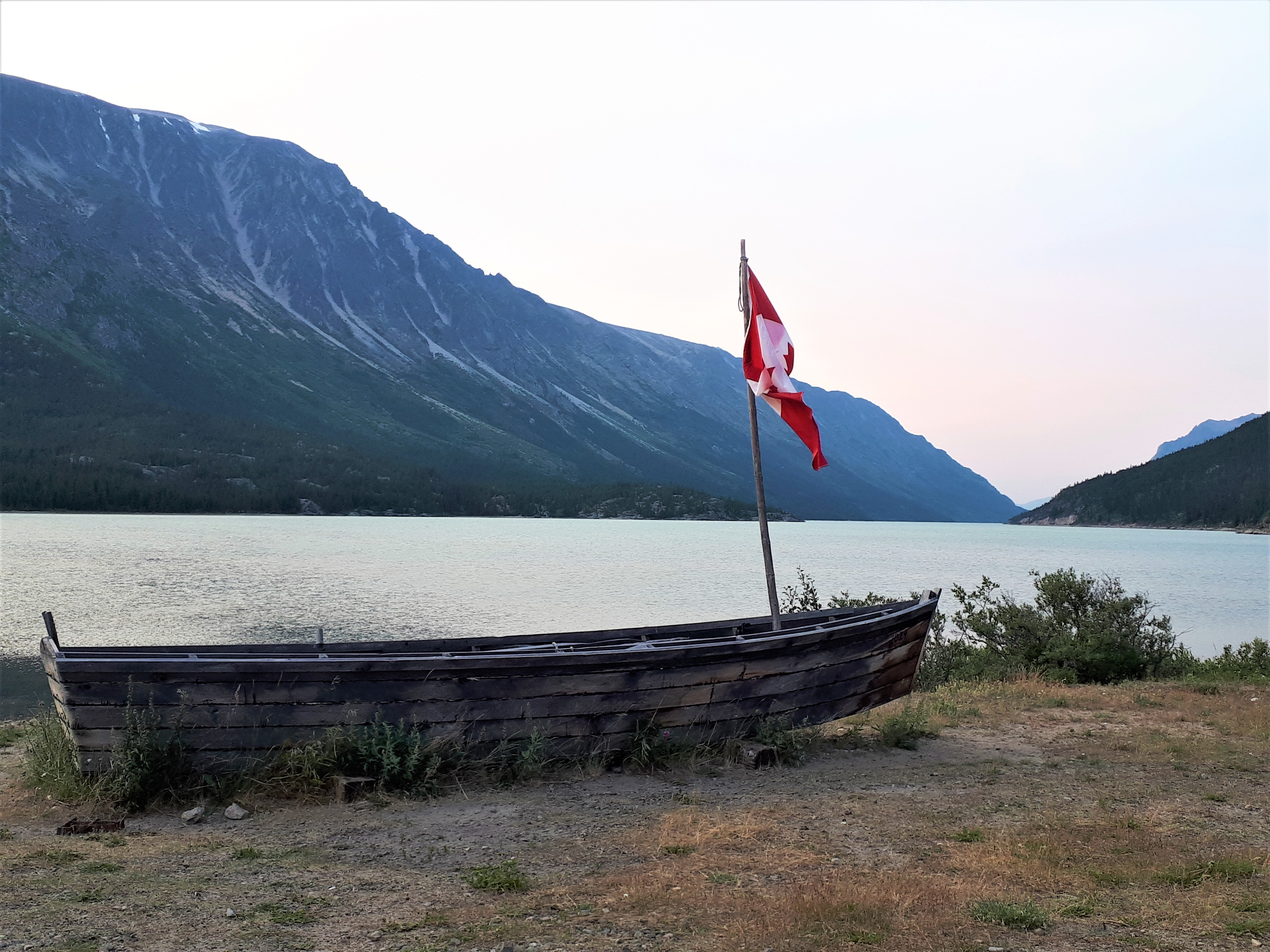
One of the most historic points along the Gold Rush trail is the now abandoned town of Bennett, located on the shores of Bennett Lake. There are only three ways to visit this site – by boat, by hiking or by train. The White Pass & Yukon Railway allows visitors to journey on a historic steam train to the site to experience firsthand the amazing history there. Broken objects are littered everywhere, attesting to the fact that this was once a booming town. You can choose a one-way journey which allows you to camp at the site, hike the famous Chilkoot Trail, or head all the way down into Skagway, Alaska.
Check the Visitor’s Information Center in Whitehorse for tours starting from the city or take a look at the trains website for more information on routes.
13. Caribou Crossing Trading Post
Just outside of Carcross you will find the tourist destination of Caribou Crossing. Here you can view their wildlife gallery, enjoy their petting farm, or have lunch. They also offer dog sled rides and husky puppy viewings but be aware that they do not allow any dog related activities during hot days. This is a good stop if you have children as there is plenty to keep them occupied. It is recommended that you visit first thing in the morning or later in the afternoon to avoid the big bus groups that visit each day.
Details
14. The South Klondike Highway and the Yukon Sign
Credit: Victoria Harrison/To Do Canada
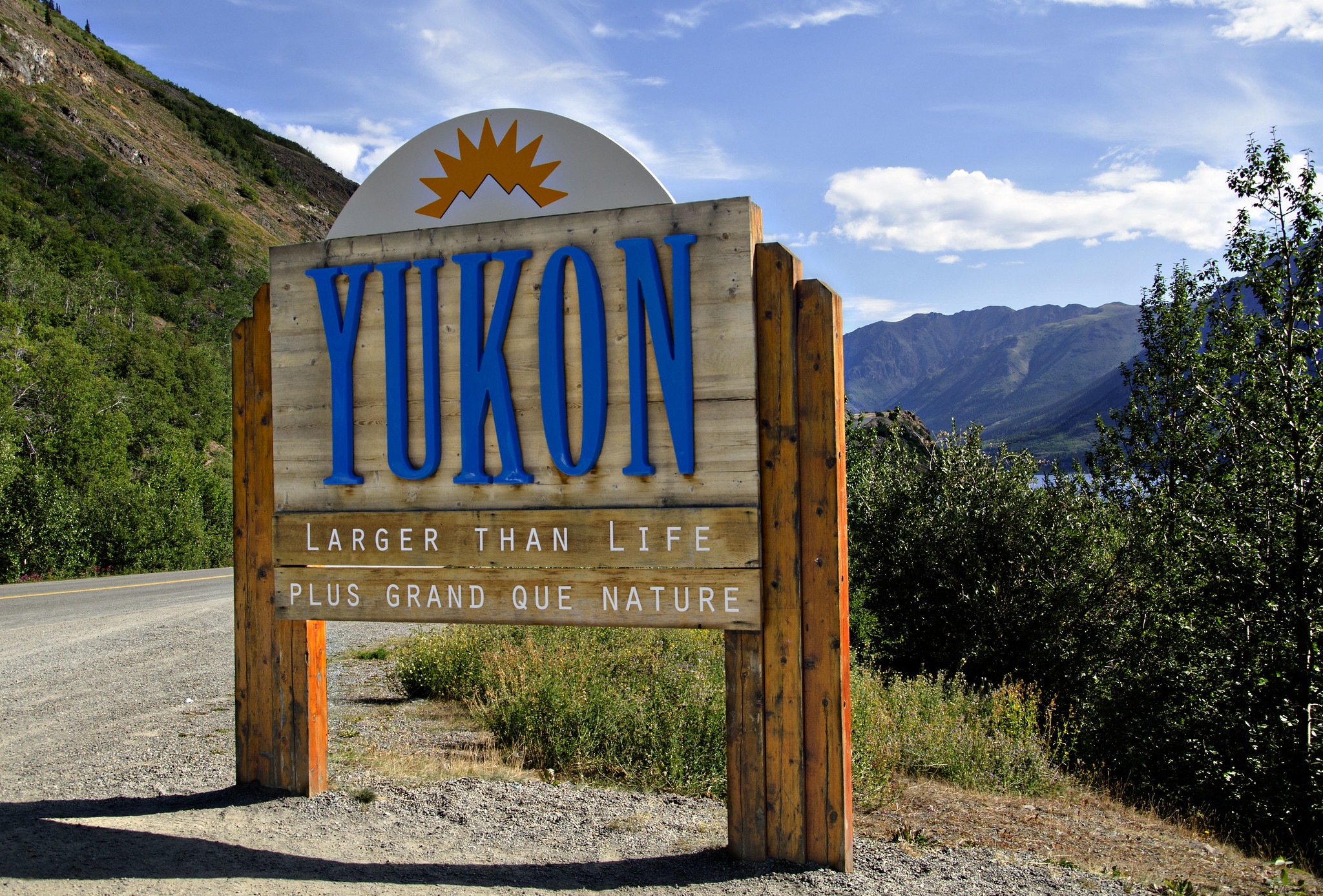
What visit to the Yukon would be complete without proof that you have been there? Head down the South Klondike Highway to the Yukon sign to take a pic to show your friends and family. The bonus is that the route is chock full of amazing mountain and lake views, with plenty of opportunities to see wildlife, including the mountain sheep that are commonly seen on the mountain right next to the sign.
15. The Yukon Suspension Bridge
Credit: Victoria Harrison/To Do Canada
OK, we are aware that this site is technically located in British Columbia. However, we are including it in this list because it is only accessed from the Yukon or from Alaska on the South Klondike Highway and is well worth the visit.
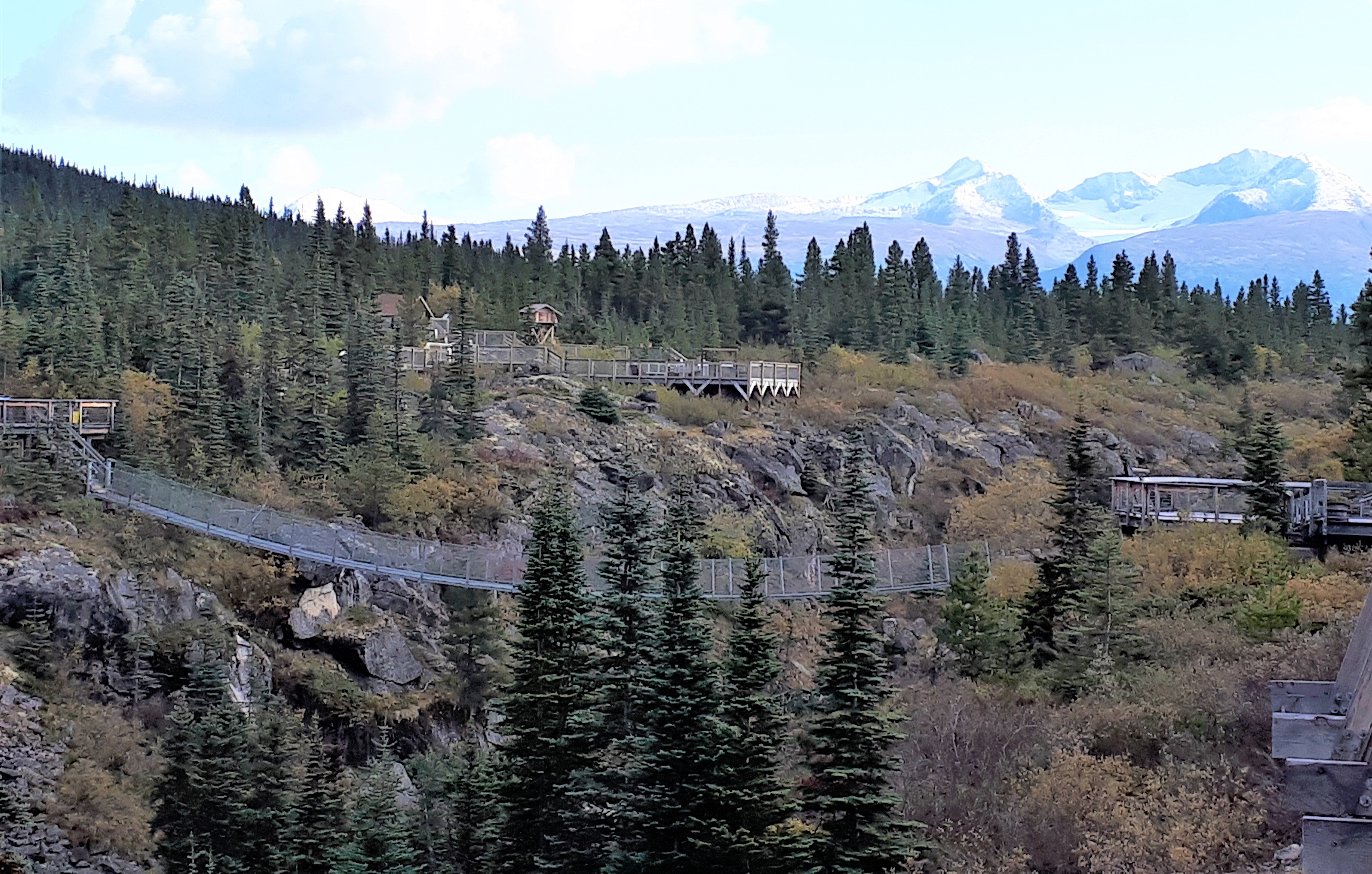
While the name suggests that there is a suspension bridge here (and don’t worry, there is), this site is much more than just the bridge. This is a family owned business and consists of interpretive museum quality exhibits based on the history of the Yukon (including some real mammoth bones), fun interactive activities like portable picture frames, and of course, the 180-foot long suspension bridge hanging over the Tutshi River and its Class V rapids.
The entire place has amazing views of the river, surrounding mountains and the glacier on the nearby Teepee Mountain. Along with a full-service café and a gift shop, you can easily spend an hour or two here. And if you are travelling with kids, there is a fun scavenger hunt after which they can choose a small gift from the treasure chest in the gift shop.
Details
16. Dempster Highway and the Arctic Circle
Credit: Victoria Harrison/To Do Canada
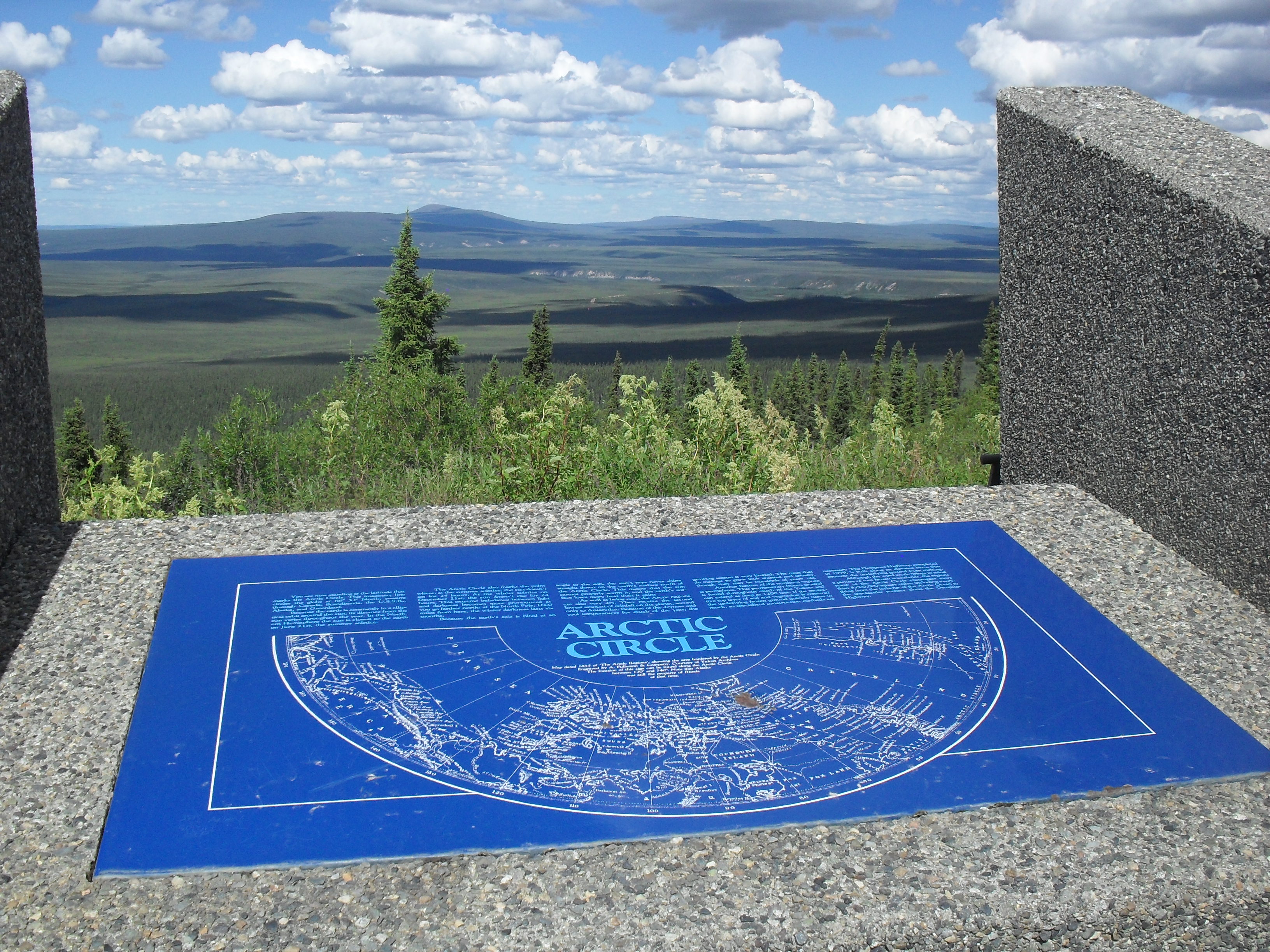
If you are travelling the highways in the Yukon and have some time to drive, there is no reason why you can’t head up the Dempster Highway to the Arctic Circle sign. There are actually two signs, the one above which shows the Circle at Mile 252 and another farther up the road where the Yukon meets the Northwest Territories at Mile 289. There is phenomenal scenery as you travel this route and plenty of places to stop for pictures, such as Two Moose Lake. Be aware that the Dempster Highway is not paved and there the services are few and far between, so be prepared with extra fuel, food and water, and a spare tire.
Details
17. Tombstone Territorial Park
Credit: Victoria Harrison/To Do Canada
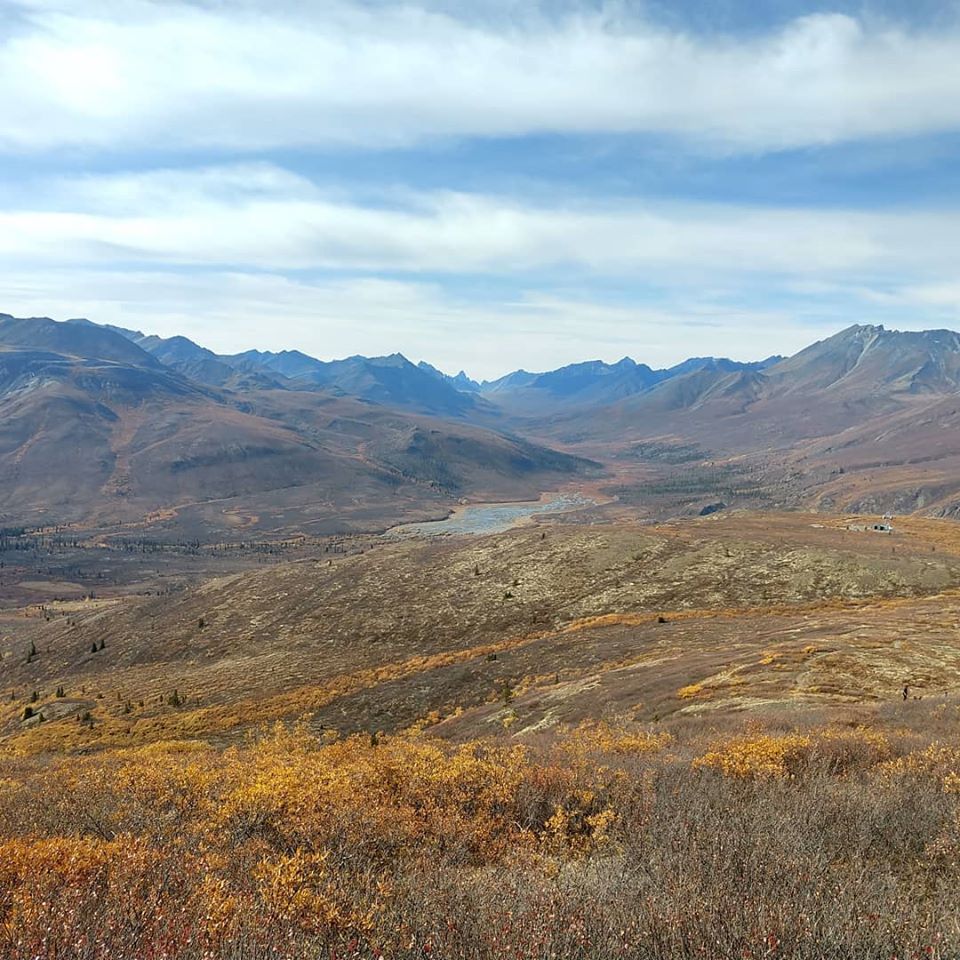
The pristine wilderness of Tombstone Territorial Park is located just a short distance up the Dempster Highway from the junction. You can make a long day trip from Dawson City (1.5 hours drive each way) or choose to camp in the Park itself if you fancy some days of hiking. This is much photographed area of the Yukon and colors change according to seasons. There is an Interpretive Center with toilets, guided walks, interpretive signs, a library and a gift shop along with plenty of hiking opportunities.
Details
18. Dawson City
Credit: Victoria Harrison/To Do Canada
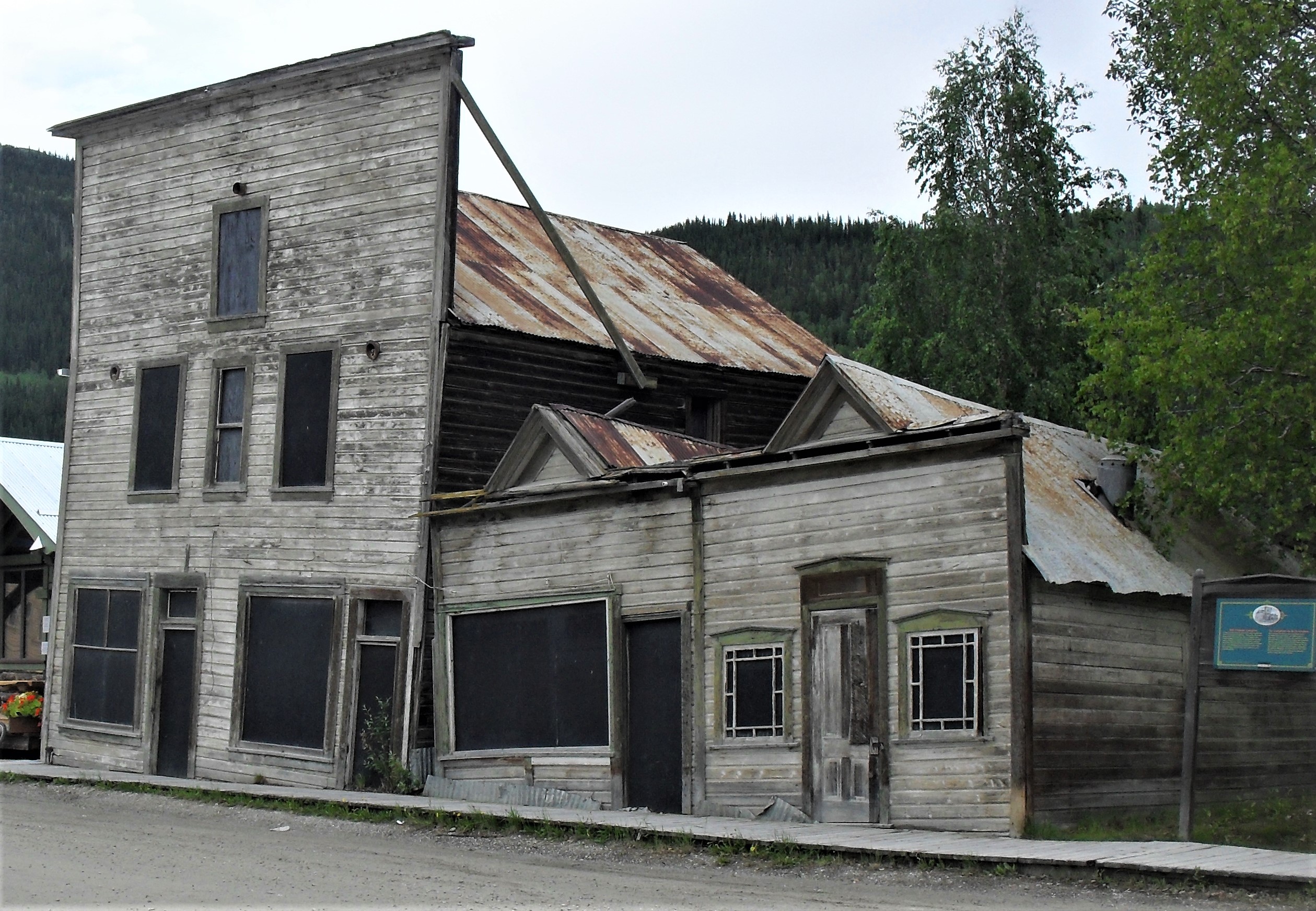
Dawson City was the center of the Gold Rush from 1896 to 1899, not to mention the long history of the First Nations and Beringia before that. These days you will experience the history in every corner of town as you wander the streets and enjoy the variety of sites. There are several self-guided or guided walking tours to be done in town or check out all the activities that you can do in the area. You can even try a time-honored tradition of a Sourtoe Cocktail in the Sourdough Saloon.
19. Dawson City Museum
If you happen to be travelling during the winter, you will be happy to know that this museum is open all year round. Located right in the town of Dawson City, this is a wonderful little museum, full of artifacts and information based on the Gold Rush and the lives of those who experienced Dawson City in its heyday, along with the ancient history and First Nations People of the area. This is an excellent place to start your time in the town as it will give you an excellent background of the area.
Details
20. Diamond Tooth Gertie’s Gambling Hall
Take an evening to enjoy the first casino in Canada! Along with can-can shows, there are casino games to keep you busy through the night. You may even meet Diamond Gertie herself! Please note that you must be over the age of 19 to enter.
Details
21. Dredge No 4 National Historic Site
This gold dredge, built in 1912, was an important fixture for the Canadian Klondike Mining Company and continues to play a role in the living history of Dawson City area. As the biggest of its kind in North America, you can visit to learn more about its inner workings and stories. Tours are run by private operators from the town.
Details
22. Haines Junction and the Da Kų Cultural Centre
Just a short hour down the road from Whitehorse, this is an excellent jumping off point to experience Kluane National Park or to just chill and visit the Da Ku Cultural Centre. The community lies within the traditional territory of the Champagne and Aishihik First Nations, who have lived in the area for thousands of years. The Da Kų Cultural Centre, where you will also find the National Park Center, proudly showcases traditional and modern work by Champagne and Aishihik First Nations. The interpretive exhibits here also share the rich culture and heritage.
Details
23. Kluane National Park
Credit: Victoria Harrison/To Do Canada
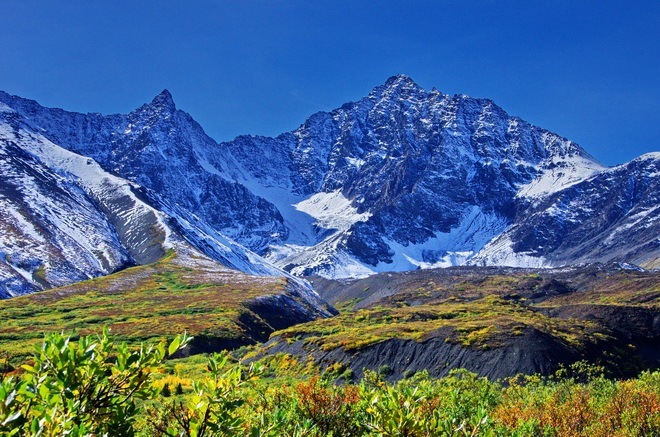
Home to Canada’s highest mountains, a visit to this National Park is worthy of your time and effort. The Park forms part of the largest internationally protected area on earth and is designated as a UNESCO World Heritage Site. Along with the high mountains, you will find the largest icefield and an amazing variety of animals and birdlife, including North America’s most diverse grizzly population and more than 150 bird types! This is an outdoor enthusiast’s mecca, with an unlimited variety of activities that will keep you busy for days. For those who just want to enjoy the scenery and culture of the area, stop in at the Kluane National Park and Reserve Center for informative displays and information on where to visit for the best photos.
Details
24. Watson Lake Signpost Forest
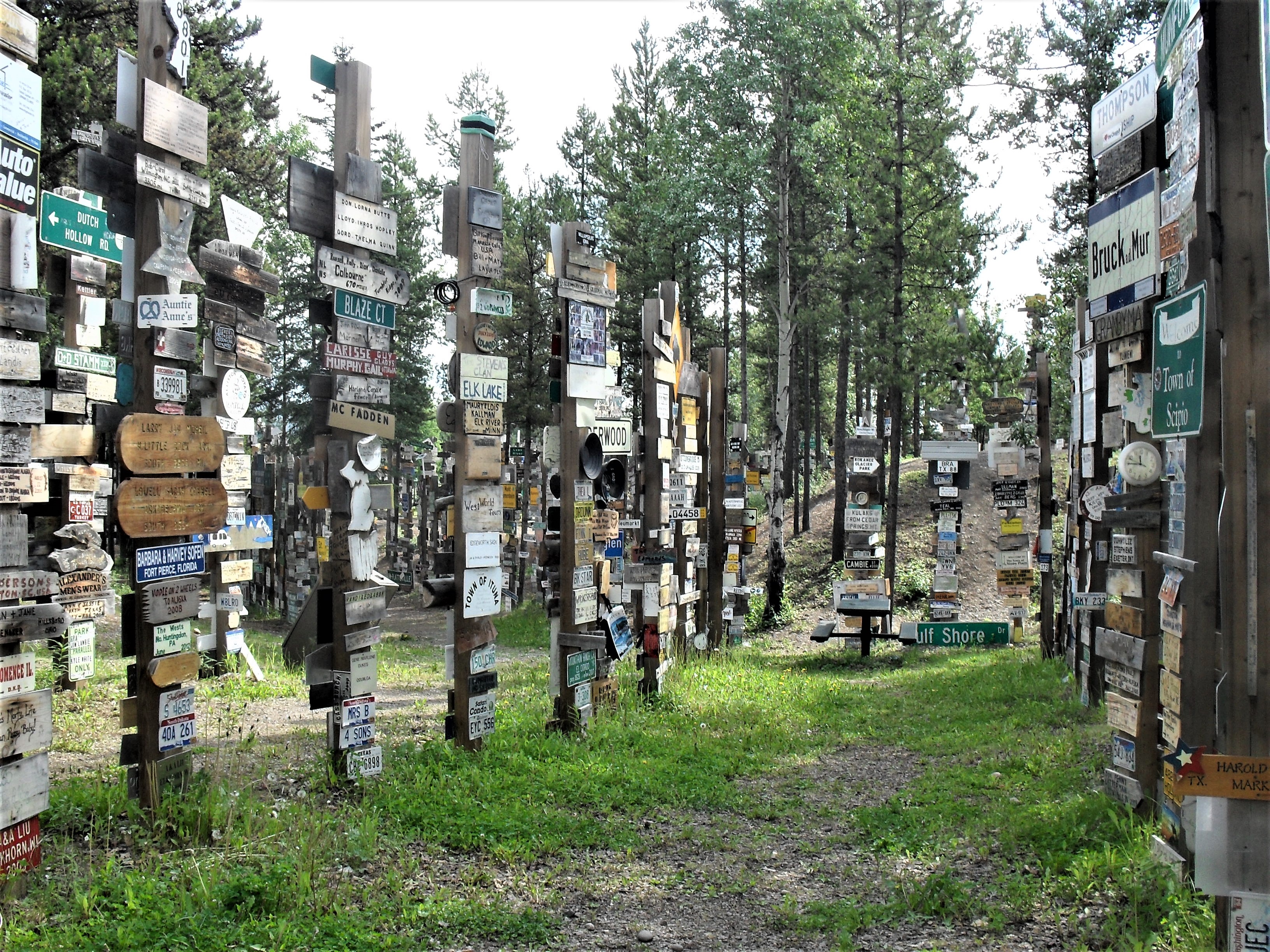
The Signpost Forest, located at the Visitor’s Center in Watson Lake, was started by a homesick American soldier who posted his hometown sign of Danville, Illinois. Other travellers started adding their own signs and over the years it has grown to an amazing 72,000 signs from all over the world. You can add one that you have brought with you or ask at the Visitor’s Center to get one.
Details
25. Northern Lights Center
The Northern Lights Center in Watson Lake provides an opportunity for visitors to view an incredible show on the Aurora Borealis. The show features footage shot exclusively in the Yukon over a three-year period. For travellers who are visiting the Yukon in the daylight laden summer months, this is a great chance to see the Northern Lights. Check out their website for information on show times and admission costs.
Details


