 Ottawa
On April 8, 2024, Canadians will experience a significant astronomical event, the first total solar eclipse to traverse the country in six decades.
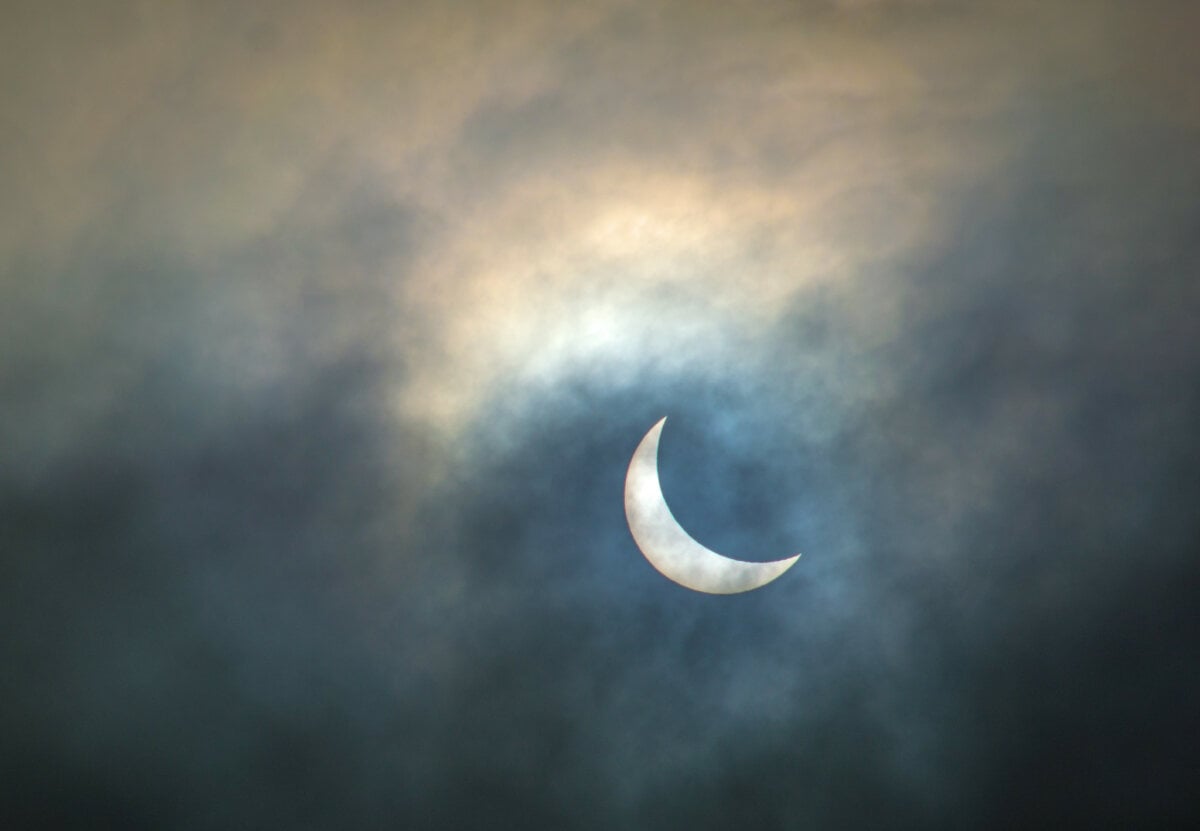
This natural spectacle will cut a diagonal path across North America, from the southwest to the northeast, offering millions a unique view of the cosmos in the afternoon. In Ontario, observers will be treated to variations of the eclipse, with the Sun completely obscured or appearing as a crescent moon, depending on their location.
Here is a short guide on watching the solar eclipse in and around Ottawa.
15 of the Best Places For a Solar Eclipse Getaway in Canada
Contents:
- When to See Partial Solar Eclipse in Ottawa
- Where to See
- Places to Watch
- Guided Viewing Events
- Places Nearby to See Total Solar Eclipse
- Solar Eclipse Safety/Where to Buy Glasses (last-minute option)
When to See Partial Solar Eclipse in Ottawa
In Ottawa, residents will witness a nearly complete solar eclipse, with the Sun obscured by approximately 99%.
According to timeanddate.com, the drama of a partial solar eclipse unfolds in the skies at 2:11 p.m., as the Moon’s edge tenderly grazes the Sun, initiating the celestial dance.
You can witness the sun taking on a new shape as the Moon bites into it, gradually obscuring 20% of the Sun’s disk by 2:33 p.m.
As the eclipse progresses, the temperature dips, and the shadows cast by the narrowing crescent of the Sun sharpen, marking a surreal alteration in the day’s mood.
By 3:25, the eclipse reaches its peak, casting the surroundings into an otherworldly light, influencing the behavior of nature itself.
The scene begins to reverse post-maximum, with light and temperature gradually returning to normal, culminating at 4:35 as the Moon and Sun part ways, leaving behind a trail of wonder and a world returning to its usual rhythm.
Obscuration (percentage of the sun covered by the moon):
Data from Xavier M. Jubier.
- Parliament Hill: 98.811%
- Cumberland: 98.977%
- Gloucester: 98.841%
- Kanata: 98.969%
- Stittsville: 99.102%
- Nepean: 99.052%
- Vanier: 98.808%
- Richmond: 99.332%
- Manotick: 99.382%
- Osgoode: 99.642%
- Kars: 99.587%
- North Gower: 99.599%
- Bells Corners: 98.987%
- Munster: 99.311%
Where to See the Partial Solar Eclipse:
If you are a person only interested in seeing the partial eclipse (not interested in eclipse photography with surrounding landscape view etc), you can enjoy the eclipse from your yard/sidewalk if the view along the southwest is unobstructed by trees or other high buildings.
Image created by Dall-E/Open AI
The sun during the maximum eclipse will be around 41 degrees altitude from the horizon. Depending on your location, 41 degrees is sufficiently high to see the sun from your house.
To verify whether the view of the partial/total eclipse will be the sun obstructed from your location, check the position of the sun the day before (April 7) at around 4 p.m.
If you live in an apartment, you can also visit parking lots of strip malls, parks, open fields, or high points with minimal obstruction to the southwest horizon near your house for hassle-free viewing.
- Canadian Aviation and Space Museum: Join us in the museum to celebrate the partial solar eclipse. Receive free eclipse viewing glasses (while supplies last) with your museum admission and learn all about this celestial event! Throughout the day we will be offering programming on eclipses and how to view them safely including a make-your-own pinhole viewer. Regular Admission
- Canadian Museum of Nature: Experience the moon passing between Earth and the sun outside, or watch a live stream of the solar eclipse inside. On April 8, the Ottawa area will experience a near-total solar eclipse. Pick up a free pair of eclipse glasses and head outside to the Plaza to watch it. Make sure you read the information and safety warning and to see where to get your eclipse glasses. Regular Admission
- Carleton University: You’re invited to witness the solar eclipse with the Department of Physics! Please note that space is limited on the patio in Richcraft Hall, however, you’re welcome to view the eclipse from anywhere with the glasses provided. Free
Travelling outside of Ottawa to See Total Solar Eclipse:
All cities along Lake Ontario/ St. Lawerence River from Port Hope to the Quebec Border (and beyond in Canada) will see a total solar eclipse.
The case for travelling: The eclipse reaches 99% coverage, appearing nearly full. Yet, the Sun’s vast size and intensity mean that even this small difference between a partial and total eclipse greatly affects what you see and feel. Fortunately, the path of totality is just a 30 to 60-minute drive away, making it possible to take a short journey and experience the total eclipse in neighbouring areas.
There is no need to choose fancy places (tourist hot spots) to see the eclipse. Any town, village, park, or even a parking lot with a clear view of the southwest sky is good for experiencing a solar eclipse. The advantage of choosing town/village centres is that if the weather plays spoilsport, you can browse local shops or eat.
Check the weather and cloud cover before you travel.
See Online:
Where to Go to See Total Solar Eclipse:
When: April 8. Partial eclipse begins at around 2:05 p.m. and lasts until 4:40 p.m. Major eclipse effects start from 3 p.m. to 3:45 p.m., with maximum eclipse around 3:25 p.m.(+/- 2 minutes)
While St. Lawrence Parks is hosting an event at Upper Canada Village, it is sold out and hence not mentioned below.
Stormont, Dundas and Glengarry
- Cornwall: Totality: 2 minutes, 16 seconds
-
- Parks in Cornwall
- Town organized event: Eclipse Party in the Park at Lamoureux Park: April 8, 11-4pm. Drop-in.
-
- South Dundas: Totality: 1 minute, 45 seconds
- South Glengarry: Totality: 1 minute, 20 seconds
- South Stormont: Totality: 1 minute, 16 seconds
Leeds & Grenville
- Brockville: Totality: 2 minutes, 47 seconds
-
- Parks
- Town organised event: Eclipse Party at Blockhouse Island: April 8, 11-4 pm. Drop-in.
-
- Gananoque: Totality: 3 minutes, 5 seconds
-
- Parks
- Town Organised Event: at Joel Stone Park on April 8, 2:00pm to 4:30pm. Drop-in.
- 3-Hour 1000 Islands Solar Eclipse Cruise from Gananoque
-
- Athens: Totality: 2 minutes 15.3 seconds
- Augusta: Totality: 2 minutes, 1 second
- Edwardsburgh/Cardinal: Totality: 1 minute, 52 seconds
- Elizabethtown – Kitley Totality: 2 minutes, 18 seconds
- Leeds & the Thousand Islands: Totality: 2 minutes, 23 seconds
- Front of Yonge: Totality: 2 minutes, 55 seconds
- Rideau Lakes: Totality: 1 minute, 14 seconds
- Merrickville-Wolford: Totality: 2 hours, 24 minutes
North Dundas, North Glengarry, North Stormont, North Grenville, Prescott, and Westport are just at the border where totality ends. Some areas may see a total eclipse. Check the eclipse information using this map. When you click on your chosen place, the map will show the duration of the eclipse and other details.
Important: Check weather predictions and plan ahead before you travel. Make sure your vehicle’s gas tank is full, traffic is expected to be a pain!
Solar Eclipse Glasses/Eclipse Safety:
Buy Glasses: If you weren’t able to get free eclipse glasses, experiencetheeclipse.com has glasses available online until April 6th. According to the website, they ship every day by noon.
Observing a solar eclipse without adequate protection poses a significant risk of permanent eye damage. It’s important that you only use eclipse glasses that adhere to the ISO 12312-2:2015 standard. These specialized glasses are designed to filter out harmful solar radiation, protect your eyes from the intense brightness of the Sun, and allow safe viewing of the eclipse’s partial phases. Please visit your nearby library to inquire about complimentary eclipse glasses.
If you are on the path of the total eclipse, you can remove the glasses during the total eclipse duration (a few seconds to a minute or two, depending on your location) and put them back during the partial eclipse phase. This needs to be carefully timed.
Be cautious with cameras or binoculars, as their lenses can intensify sunlight and cause harm. For those without eclipse glasses or handheld solar viewers, constructing a pinhole projector offers a safe means of indirect observation. Remember to supervise children and inspect viewing equipment for any signs of damage before use.
Skin safety is also important during an eclipse, as the Sun’s rays can still be intense even during partial phases. Remember to apply sunscreen, wear a hat, and protective clothing to prevent sunburn and skin damage. By following these safety guidelines, you can fully enjoy the wonder of a solar eclipse while protecting both your vision and your skin from harm.


Gross use of AI in this article
I guess the image is deliberately inaccurate since it is AI generated.
I don’t like the AI generated image of Parliament Hill. It is misleading to people who don’t realize it is not real and it is quite an inaccurate image of the Parliament Hill area.